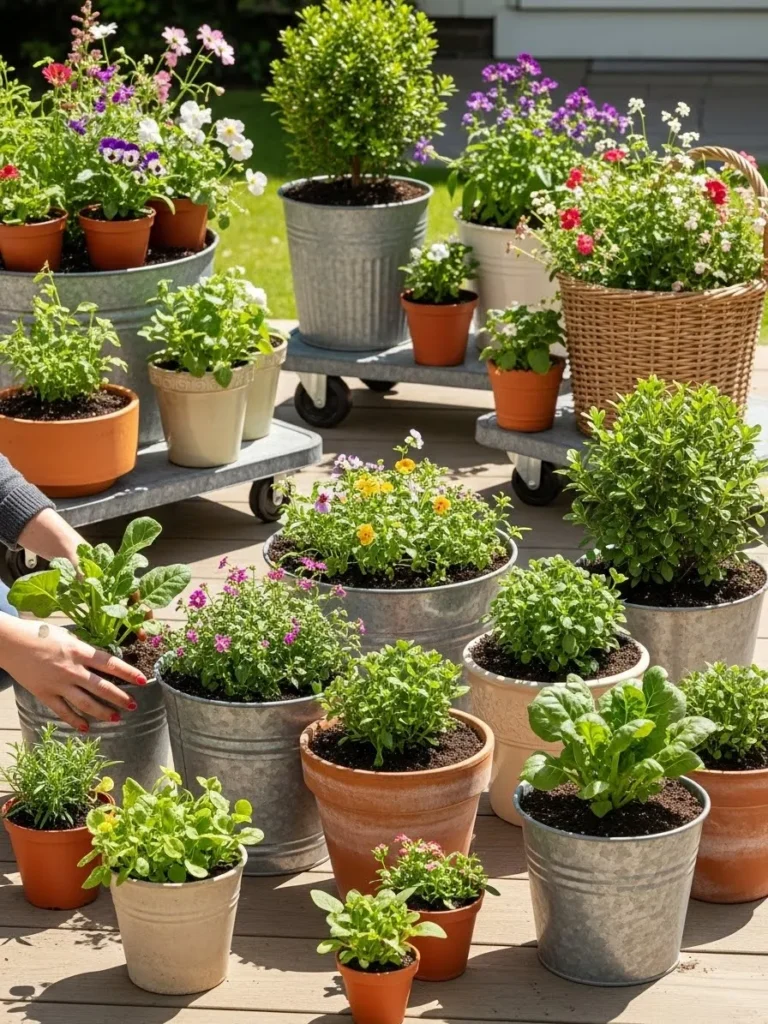
1. Create a Simple Focal Cluster at Your Entrance
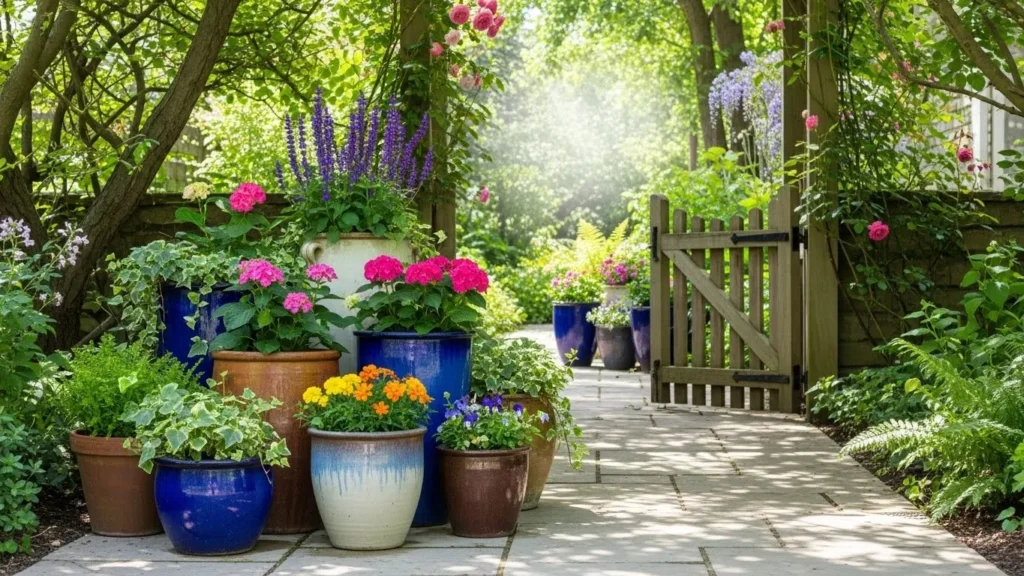
One of the easiest ways to give your garden instant charm is by grouping three to five pots near your entrance. When clustered together, containers naturally draw attention and create a welcoming presence. Use one tall feature pot to anchor the group and surround it with two medium pieces and one or two smaller ones. The height differences add movement while still keeping the look balanced. This idea works for front doors, garden gates, or even the beginning of a pathway. The key is choosing pots that match or complement each other so the entrance feels cohesive rather than cluttered.
2. Use Oversized Pots to Build Strong Structure
Oversized containers are one of the best investments you can make in a garden because they set long-term structure. Larger pots don’t dry out as quickly, they allow roots to grow deeper, and they can hold statement plants that define an area. Many people underestimate how transformative one tall pot can be. Whether you choose a large ceramic planter, a matte concrete cylinder, or a rustic terracotta urn, the size alone creates importance. Place oversized pots at corners, near seating areas, or beside steps to add weight and visual stability.
3. Make a Color-Themed Pot Garden for a Unified Look
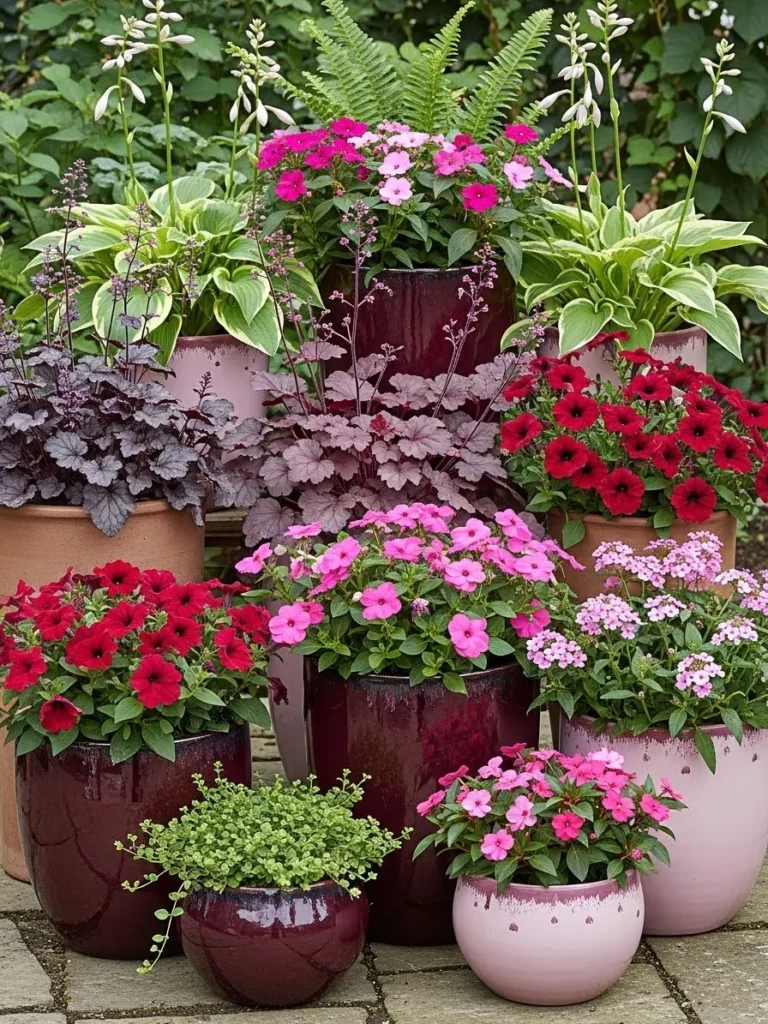
When you theme your pots around one color family, the entire space appears more polished. This doesn’t mean everything has to match exactly. You can mix burgundy tones with soft pinks, or deep greens with white variegation. Keeping your color palette tight helps tie everything together, especially if your garden feels scattered or busy. After years of experimenting with different palettes, I’ve found that color-grouped pots create the simplest path toward a clean, intentional look without needing high-maintenance plants or formal layouts.
4. Mix Textures and Shapes for Natural Interest
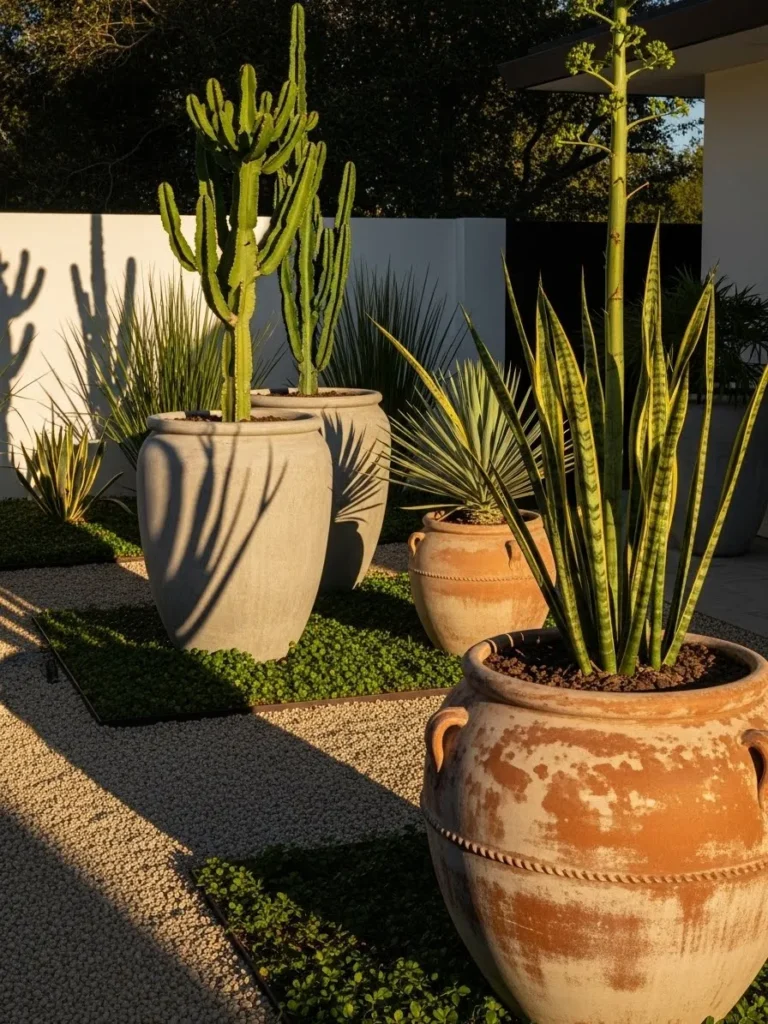
A garden becomes more visually engaging when textures play off each other. Pairing smooth ceramic containers with rough concrete or woven resin instantly adds depth. This same principle applies to plants. Spiky foliage, round leaves, trailing vines, and upright blooms all contribute to a dynamic potscape. Because texture is subtle, it doesn’t overwhelm the space, but it builds a layered character that feels mature and well-designed. This approach works especially well in small gardens where every detail matters.
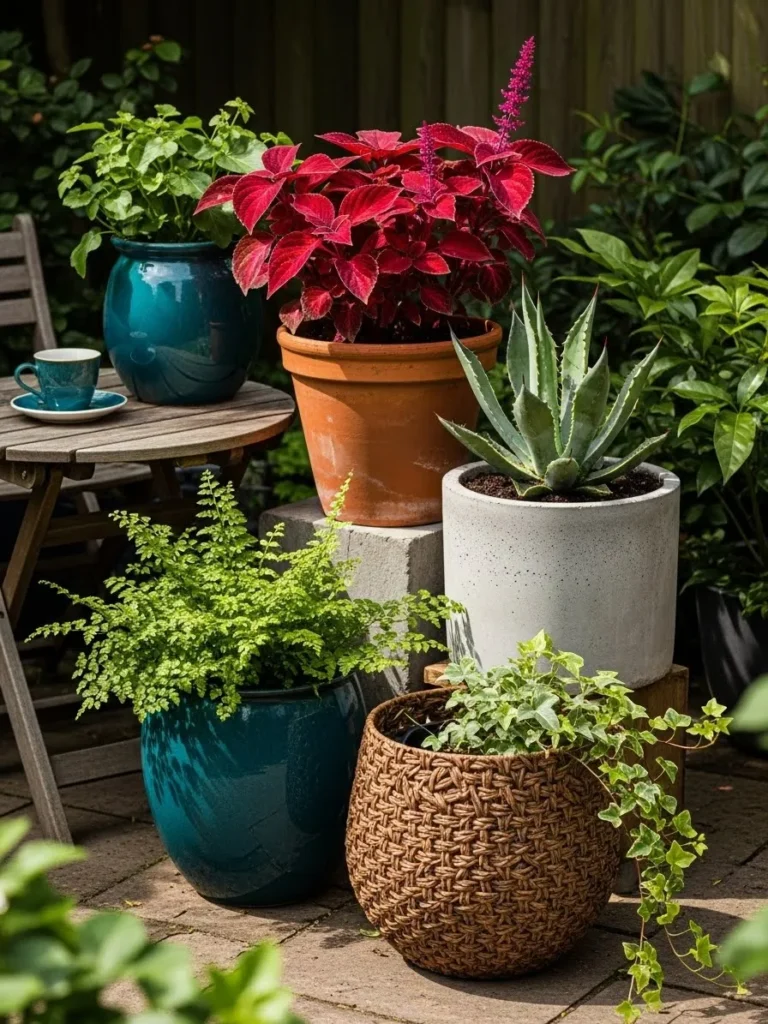
5. Build a Vertical Potscape for Height and Drama
When ground space is limited, vertical potscaping becomes a powerful tool. Tall plant stands, stacked clay pots, ladder shelves, and wall-mounted planters all raise your garden upward. The main advantage is that you’re not only saving space, but also introducing strong lines and height variations that make the area feel larger. Vertical containers are excellent for herbs, trailing plants, and colorful annuals that spill over the edges. They also allow you to showcase many plants without crowding your pathways.
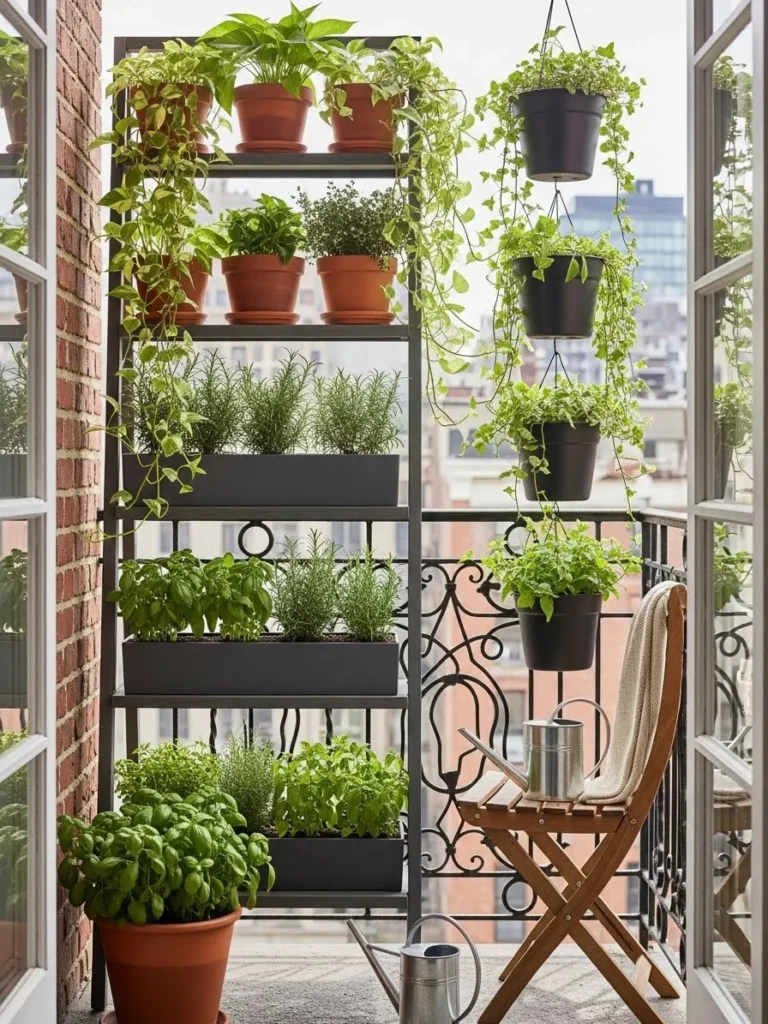
6. Add Pots to Frame Outdoor Seating Areas
Placing pots around seating zones makes the space feel more intimate and comfortable. Whether it’s a small bistro table or a full patio lounge, plants help soften the edges and create a natural boundary. Two matching pots behind a bench or at the entrance of a patio create a sense of enclosure without blocking the view. When arranged thoughtfully, pots around seating areas help define the space and make it feel like a true outdoor room.

7. Use Repetition to Create Strong Garden Rhythm
Repetition is one of the oldest design tools, and it instantly creates order. When you repeat the same pot style, color, or plant type in a line or cluster, the garden feels harmonious. Repetition works especially well along walkways or fences. Matching pots filled with the same plant create a sense of rhythm similar to architectural design. Even if your garden is eclectic, repeating one or two elements is enough to pull everything together.
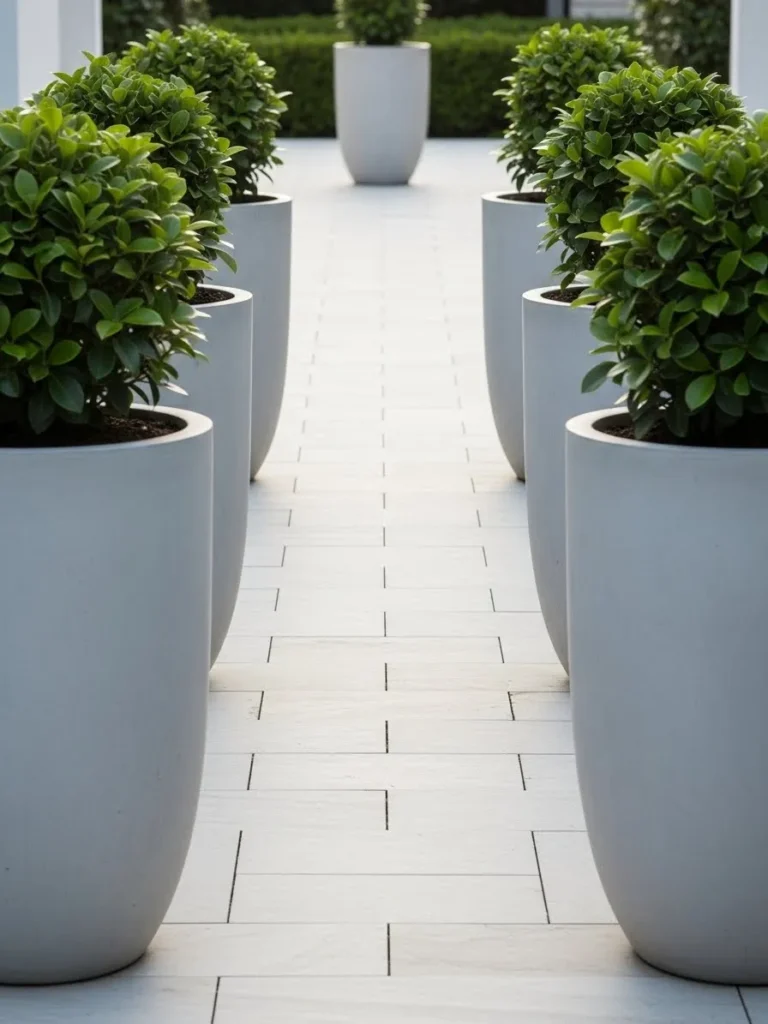
8. Introduce Narrow Tall Pots to Maximize Small Spaces
In tight areas, narrow pots can be a lifesaver. Their slim footprint allows them to fit where traditional containers won’t, such as between steps or along balcony rails. Tall, narrow pots naturally draw the eye upward and work beautifully with upright plants like bamboo, ornamental grasses, or snake plants. Because they take advantage of vertical space, they help small gardens feel less cramped while still adding greenery and structure.
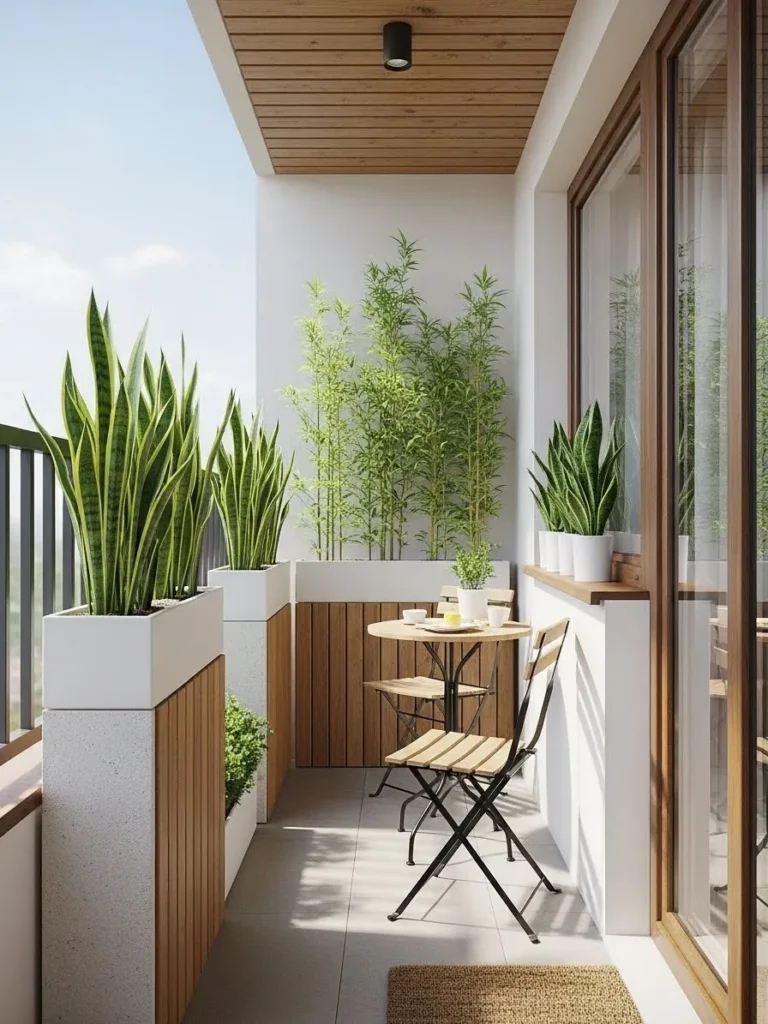
9. Place Pots Along Stairs for a Layered Effect
Stairs are a perfect setting for pots because each step acts as its own display platform. By placing containers of different shapes and sizes along the edges, you create a natural flow that guides visitors upward. The varying heights of the steps enhance the sense of movement and add dimension. This technique works equally well for front porches, garden stairways, or terraced areas. The key is not to overcrowd; leave walking space while allowing plants to soften the hard lines of the steps.

10. Create Seasonal Pots for Year-Round Color
One of the strongest advantages of potscaping is the ability to adapt with the seasons. You can plant cool-weather flowers in spring, heat-tolerant varieties in summer, and evergreen accents for winter. Over decades of maintaining client gardens, I’ve found that seasonal pots are often what keep a landscape feeling alive. They prevent dull periods and give you the freedom to refresh your design regularly. Even a simple pot changeout every season can make the whole garden feel renewed.
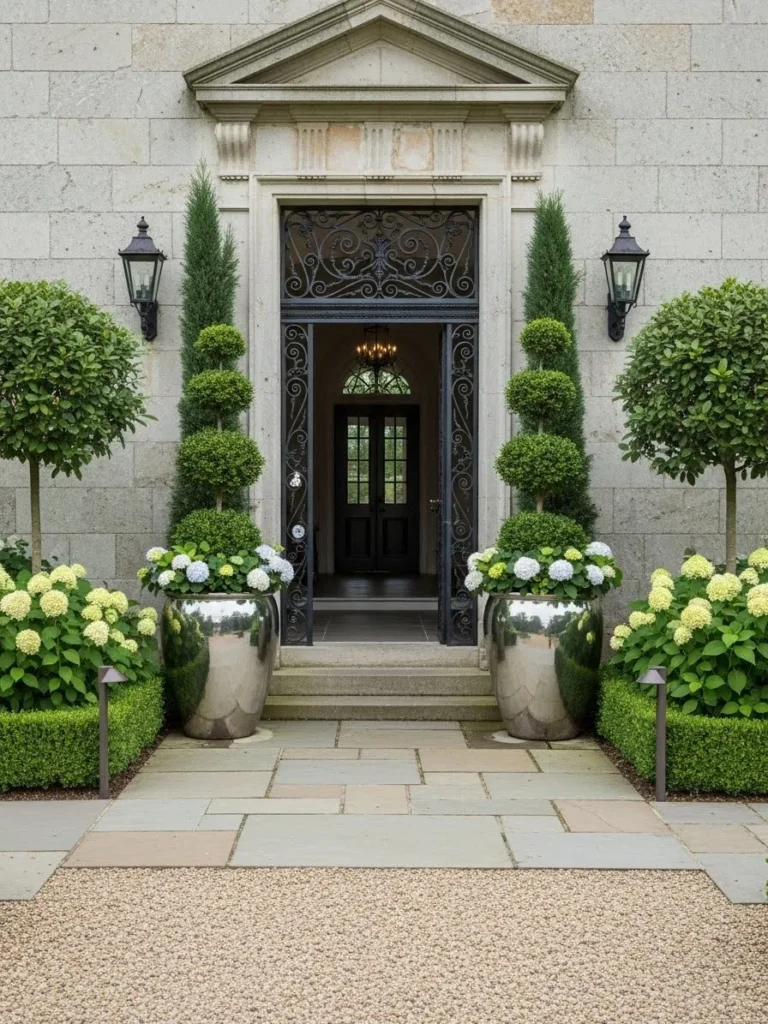
11. Use Matching Pots for Symmetry and Balance
Symmetrical pots give any space a classic and refined appearance. When you place identical pots on both sides of a doorway, bench, or pathway, the garden gains a sense of stability. Symmetry is especially effective in formal landscapes, but it also works in contemporary or minimalist settings. The consistency of matching pots helps anchor the scene, allowing the plants inside to shine without competing for attention.
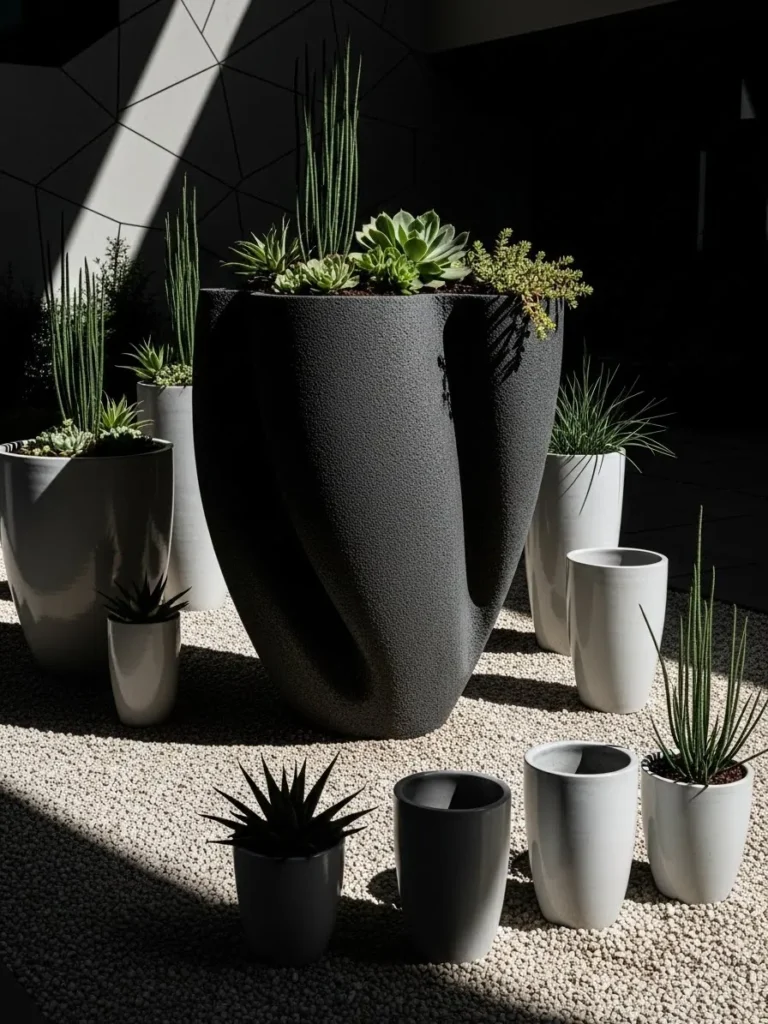
12. Mix Statement Pots with Simple Supporting Pieces
A single high-impact pot can become the center of attention when paired with simpler containers. Statement pots often feature bold shapes, unusual textures, or striking colors. Instead of using several bold pieces, one standout pot surrounded by calm background pots creates a pleasing balance. This technique is used often in professional design because it directs the eye exactly where you want it to go.
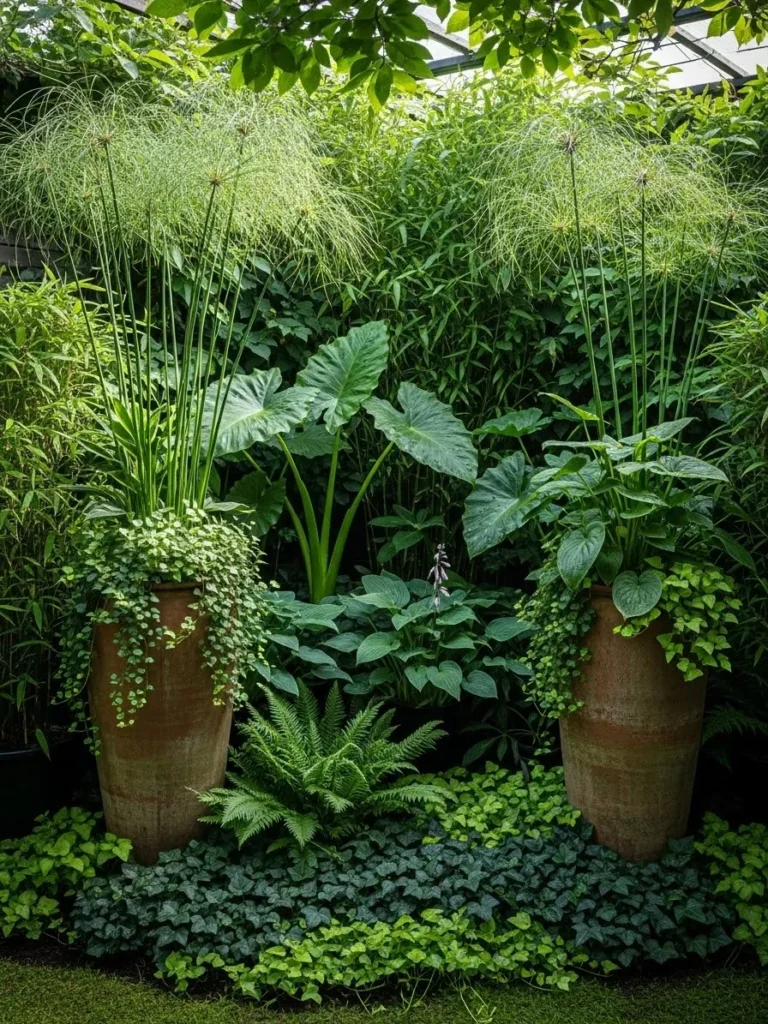
13. Transform Corners with Tall Pots and Upright Plants
Garden corners are often neglected, yet they have tremendous potential. A tall pot placed in a corner instantly lifts the space and gives it purpose. Upright plants like palms, small trees, or columnar shrubs reinforce the vertical effect. This turns an empty spot into a strong structural feature. In small gardens, this trick expands the perceived height of the area and reduces the boxy feeling that tight spaces sometimes create.
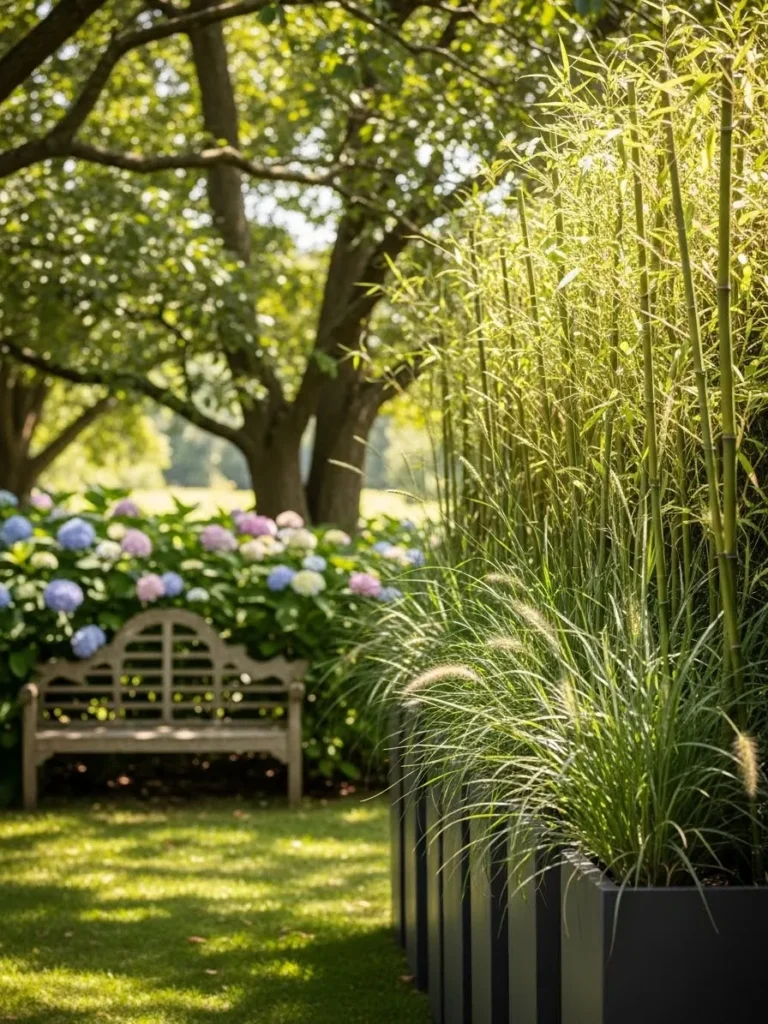
14. Use Pots to Build Soft Barriers Instead of Fences
If you want privacy but don’t want the heaviness of solid fencing, pots can be a softer and more natural alternative. Arranging tall containers in a row creates a living barrier that feels breathable yet protective. Bamboo, grasses, and small trees work well for this purpose. A potscape barrier can also be rearranged as needed, which makes it more flexible than permanent structures. This approach blends privacy with beauty.
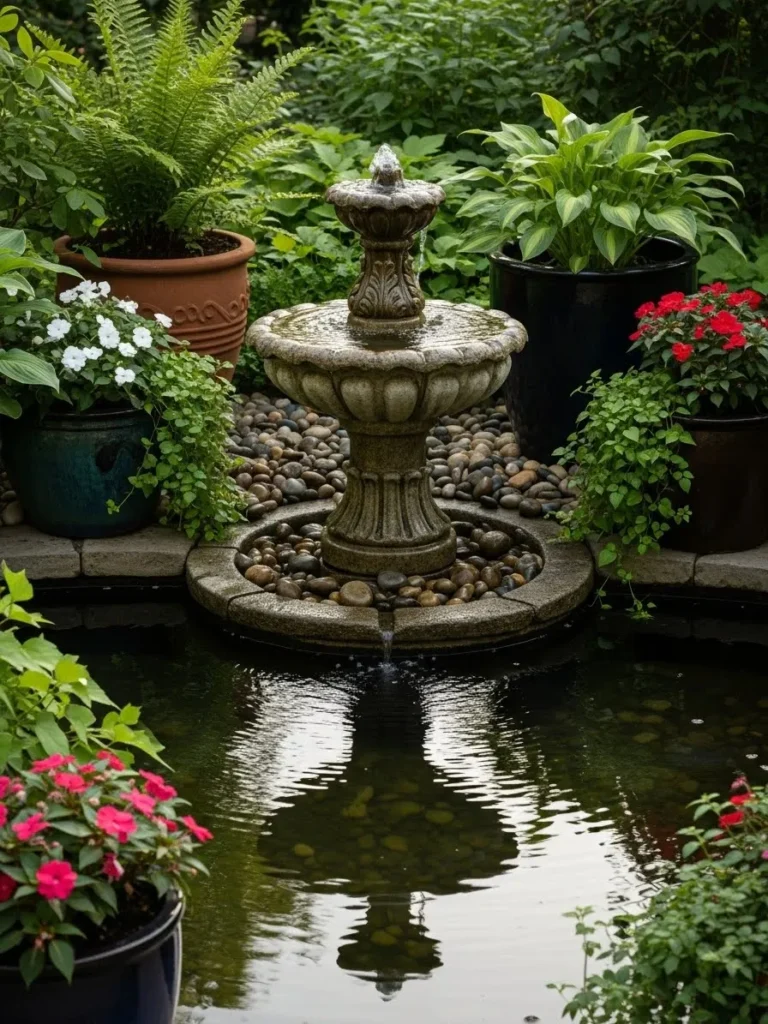
15. Add Water Features Surrounded by Pots
Even a small water bowl or tabletop fountain becomes more meaningful when framed with plants. Pots help soften the edges of water features and make them feel integrated into the landscape. When placed nearby, the plants reflect subtly in the water, adding depth and movement. This idea works well in small gardens because it brings multiple sensory elements—sound, greenery, and reflection—into a compact space.
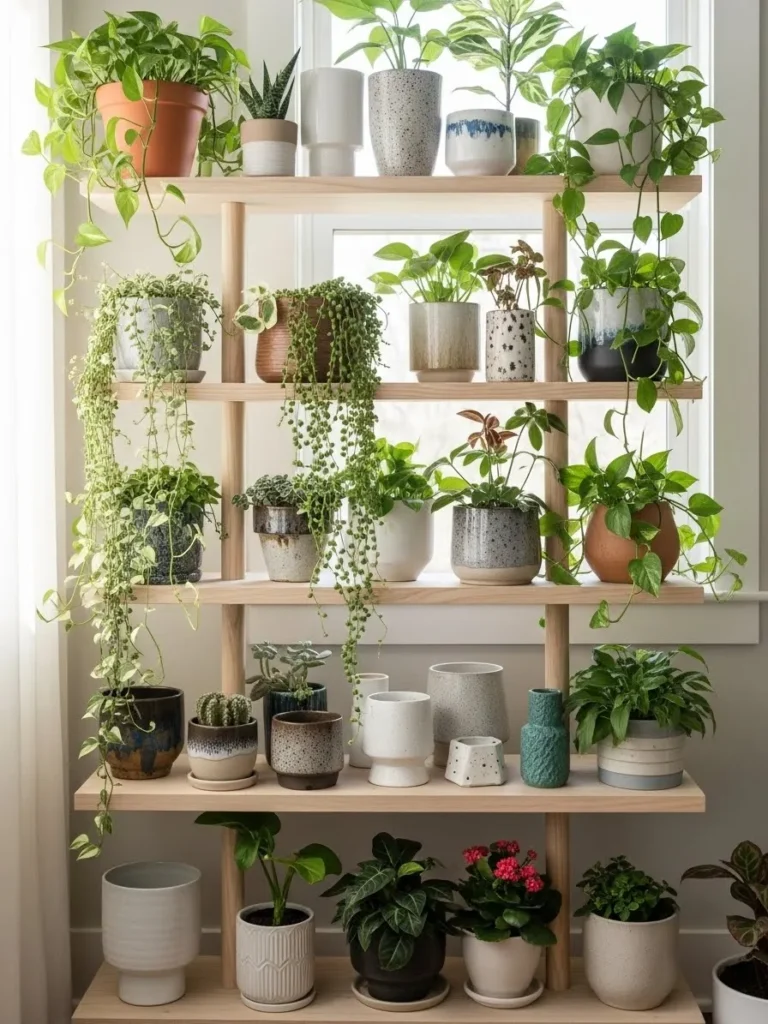
16. Build a Multi-Level Potscape for Visual Depth
By using stands, crates, and stepped plant shelves, you can create a multi-level display that feels dynamic and layered. This technique works especially well with small and medium pots, which might otherwise get lost at ground level. The different heights create a natural backdrop effect, allowing trailing plants to spill down from above while compact plants fill the lower levels. Multi-level potscapes elevate simple plants and make the garden feel more curated.
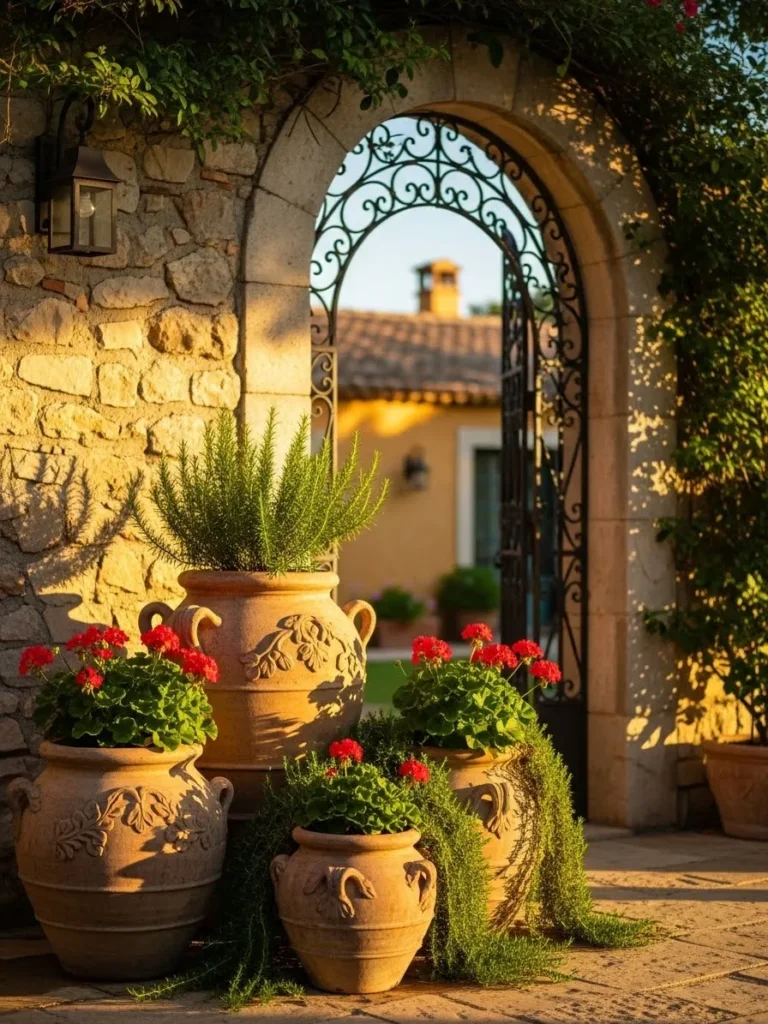
17. Use Pots to Highlight Architectural Features
If your home has unique architectural details like columns, arches, or stone walls, pots can enhance those features. Placing containers near interesting elements draws attention to them and creates a more cohesive look between your home and garden. This connection between structure and planting is often what separates amateur designs from professional landscapes. The goal is to let the pots emphasize the shapes and lines that already exist.

18. Try Monochrome Pots for a Minimalist Look
Using pots in a single color group creates a modern, clean atmosphere. White, charcoal, beige, and black are common choices for minimal gardens. When the pots match but the plants vary, the greenery becomes the star of the display. This approach is extremely effective in small spaces or contemporary homes where simplicity is a key design goal. A monochrome potscape always feels calm and intentional.

19. Add Rustic Pots for a Timeless, Earthy Feel
Rustic containers like terracotta, stone, and aged clay add warmth and character to any garden. These materials weather naturally over time, developing subtle patinas that make the space feel lived-in. Rustic pots pair well with herbs, Mediterranean plants, and classic garden favorites like lavender or rosemary. Their natural tones blend into the landscape easily, making them ideal for cottage and traditional gardens.
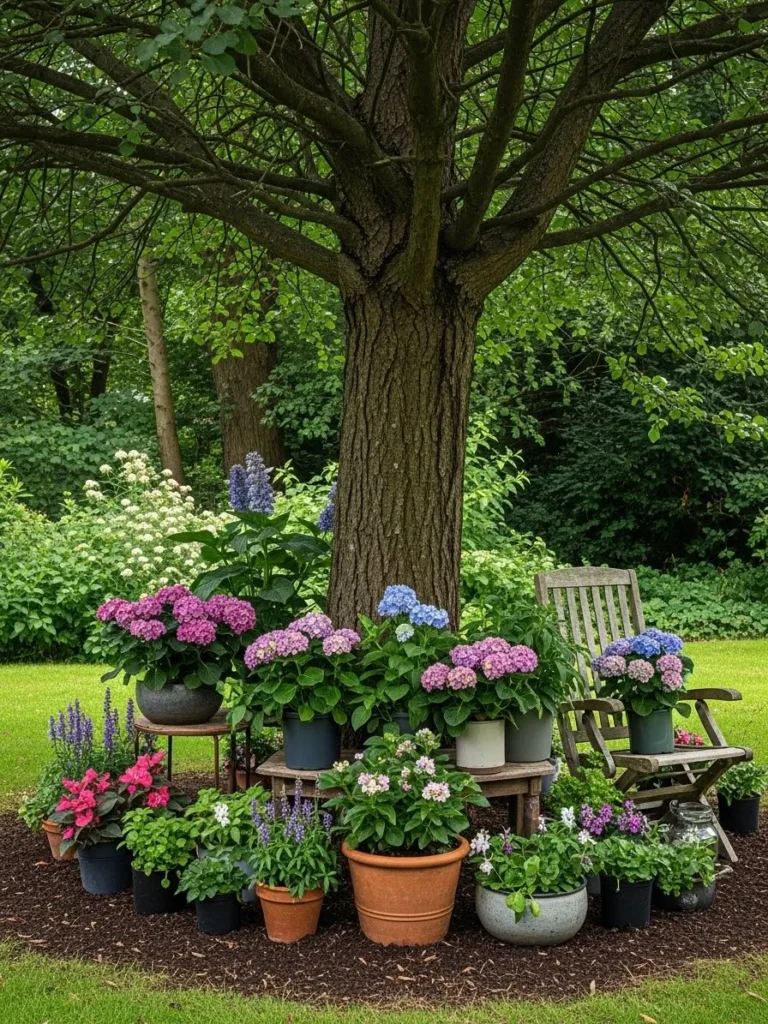
20. Create a Potscape Around Trees for Added Depth
Placing pots around the base of larger trees enhances the transition between trunk and ground. It creates a layered effect that feels rich and complete. Choose shade-tolerant plants when working under trees and use pots in different heights for a more organic look. This technique softens otherwise harsh roots and makes tree bases feel intentionally designed rather than neglected.

21. Incorporate Edible Plants Into Your Potscape
Growing edibles in pots is practical and beautiful. Herbs, leafy greens, strawberries, peppers, and compact tomatoes all thrive in containers. Integrating these into your potscape adds texture while also producing food. Because edibles require regular access, placing them near seating areas or pathways makes harvesting easy. Over time, edible pots become part of your daily routine, connecting you more deeply with your garden.
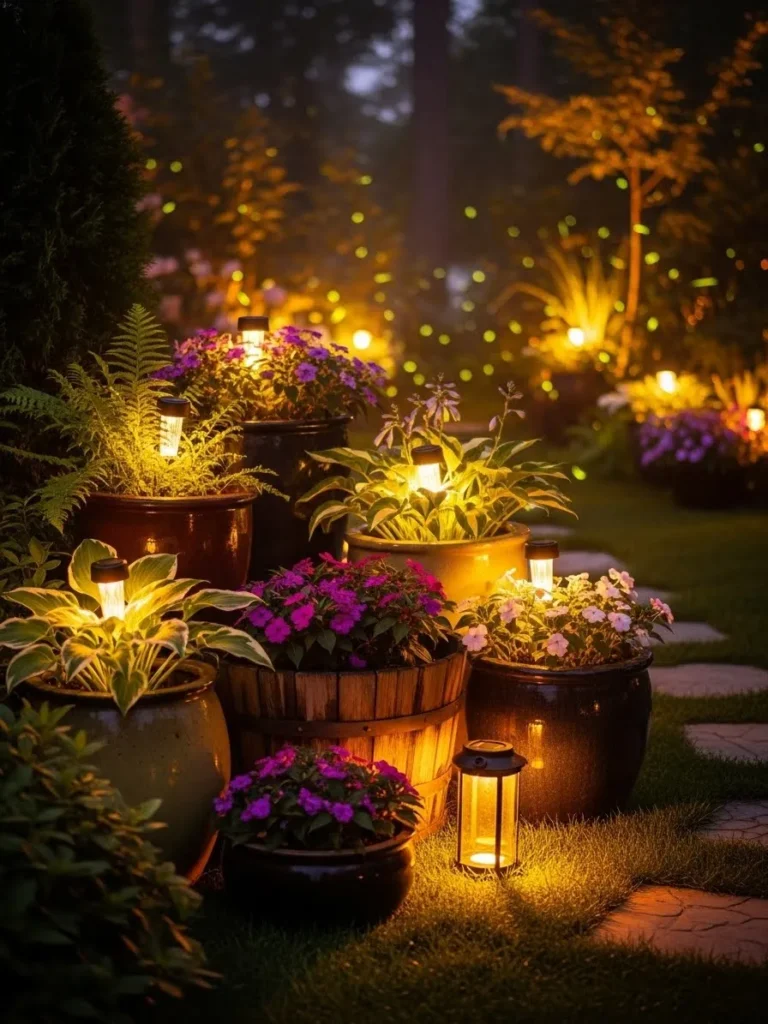
22. Use Lighting Around Pots for Evening Ambience
Soft lighting enhances potscapes dramatically once the sun goes down. Placing solar or low-voltage lights near containers creates gentle shadows and highlights foliage textures. This simple addition extends the use of your garden into the evening and makes your pots feel like sculptural elements. Outdoor lighting also adds a sense of safety and warmth. Well-lit potscapes are one of the easiest ways to elevate a backyard without large renovations.
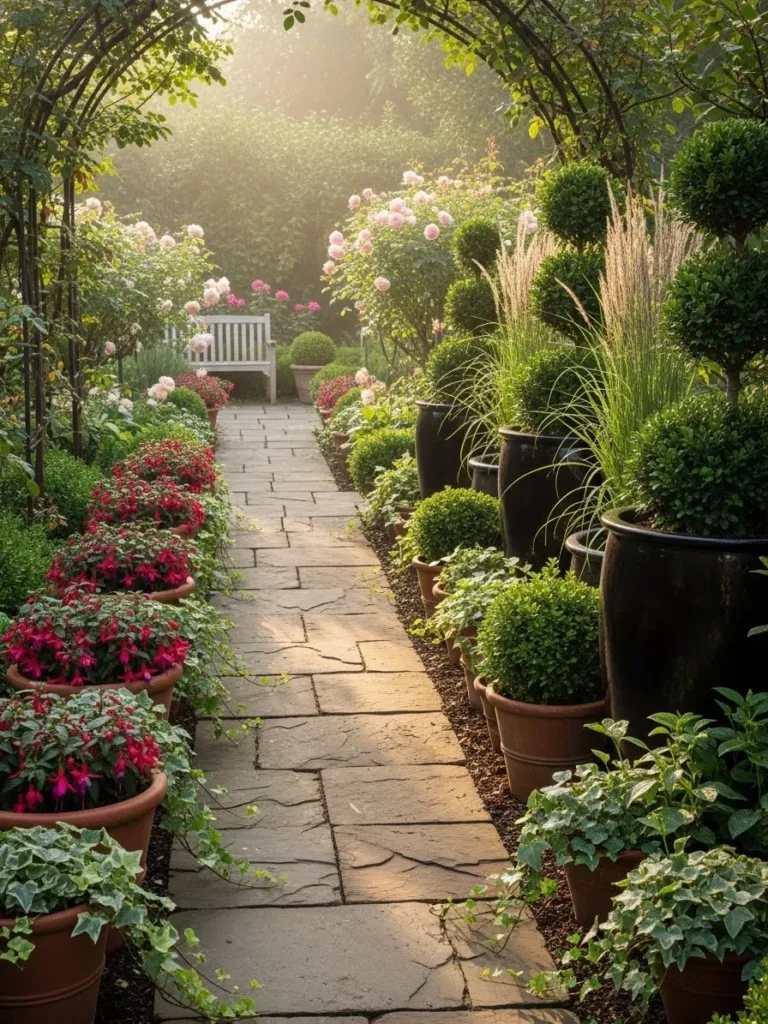
23. Arrange Pots to Guide Movement Through the Garden
Strategic placement of containers can subtly guide people through your outdoor areas. Pots can signal the beginning of a path or indicate turns and transitions. When used this way, they act as visual cues that create a smooth flow from one area to another. This idea is especially helpful in gardens with unusual shapes or multiple activity zones. Good potscaping helps the space make sense.
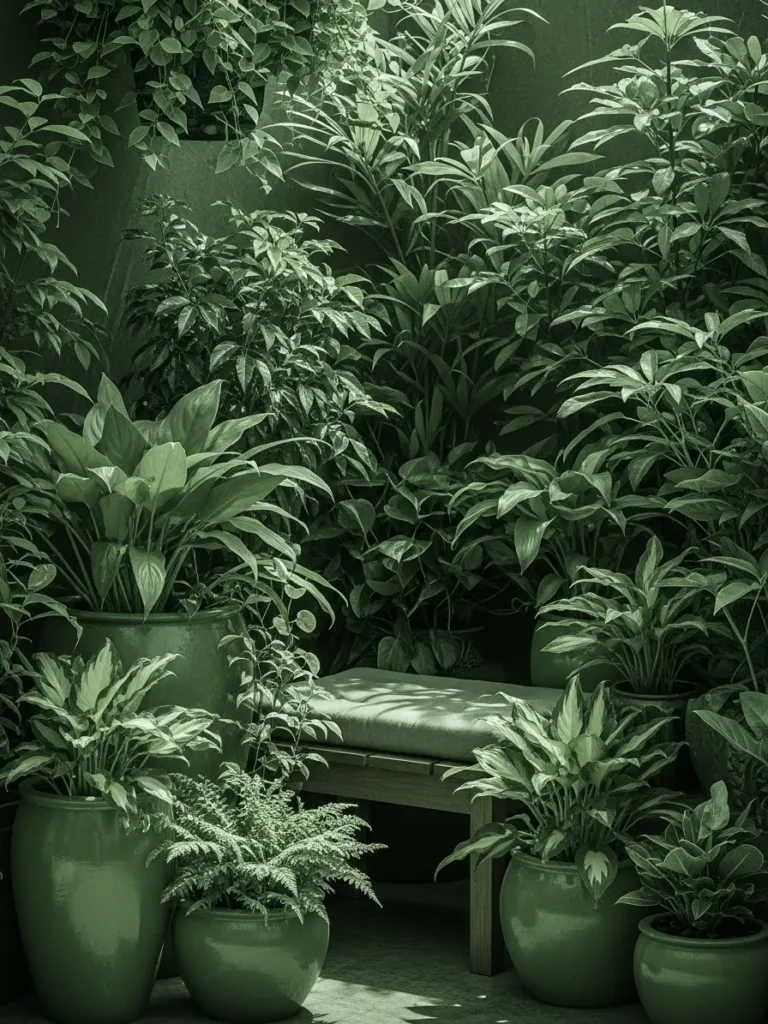
24. Create a Calm Corner with Large Green Pots
Green pots blend naturally into their surroundings, making them ideal for peaceful, quiet corners. When filled with lush foliage plants, they produce a soothing atmosphere perfect for reading, meditation, or morning coffee. The monochromatic look creates harmony and reduces visual noise. This kind of space gives you a break from bold colors and creates a restorative environment.

25. Add Trailing Plants to Elevate Simple Pots
Trailing plants like ivy, creeping Jenny, string-of-pearls, and vinca add softness and movement. When cascading down the sides of pots, they enhance even the simplest containers. This effect works well in containers that feel too rigid or empty. The trailing growth helps bridge the gap between pot and ground, making the arrangement more complete. It’s one of the easiest ways to add elegance without spending much.
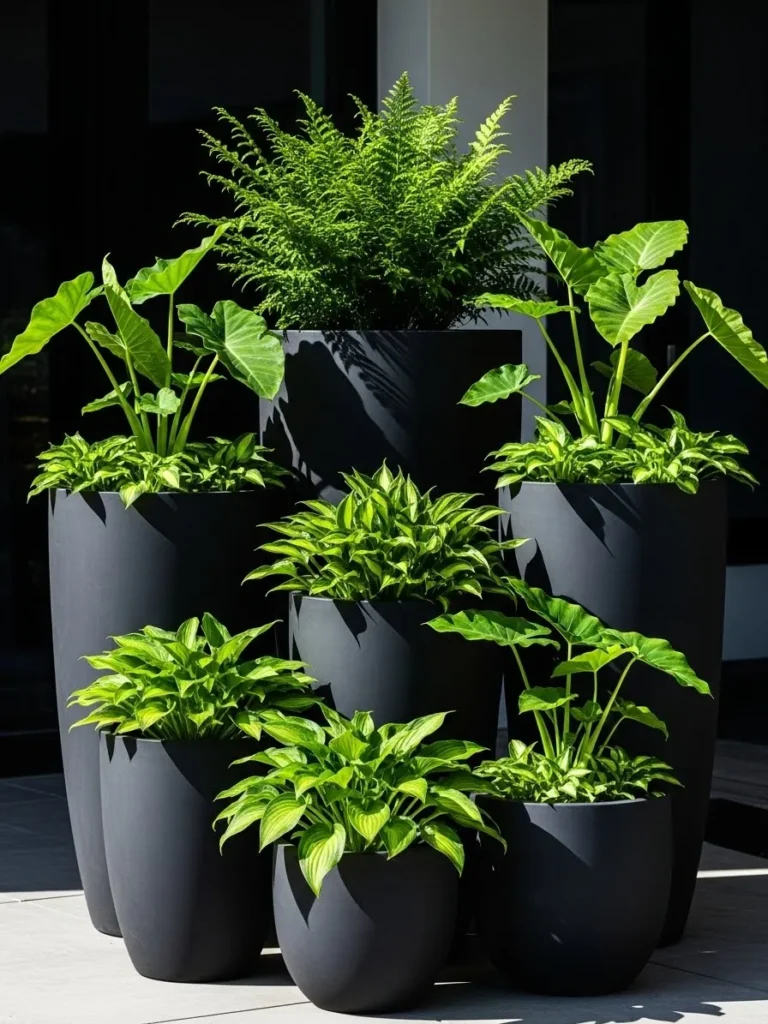
26. Use Dark Pots to Create Drama and Contrast
Dark pots, especially matte black or charcoal, create striking contrast with bright foliage or light-colored walls. They bring depth to the garden and work well in modern or urban spaces. The richness of dark containers makes greens appear more vibrant and helps anchor lighter elements. When placed among mixed materials like wood or stone, dark pots add a sense of sophistication without overwhelming the scene.