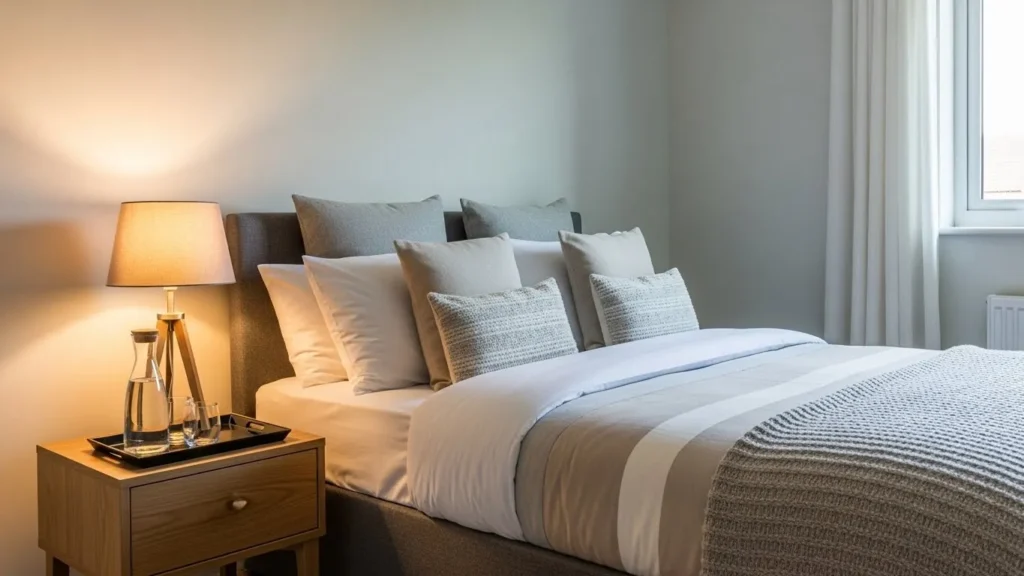
1.Soft-Tone Minimalism for Instant Calm
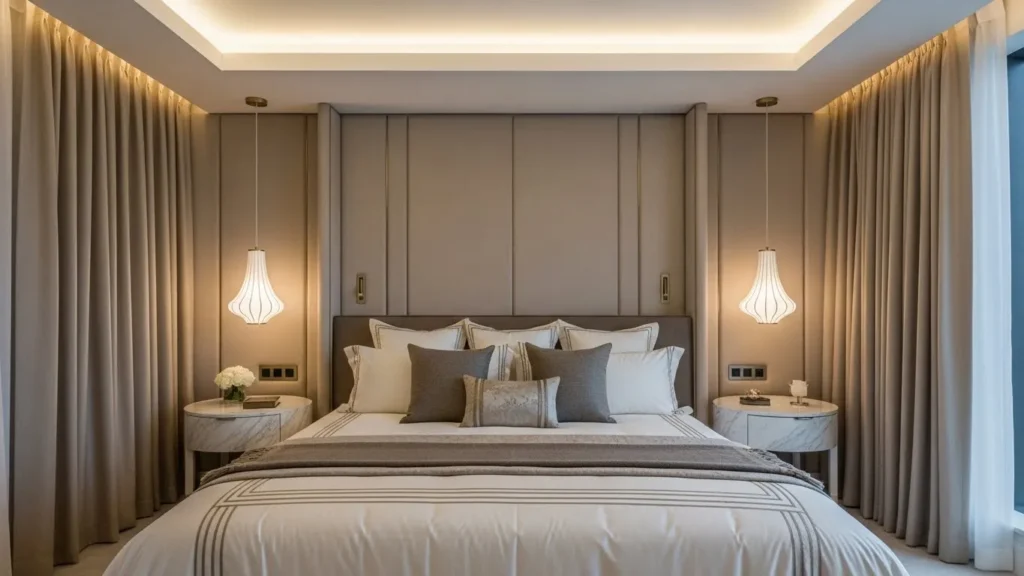
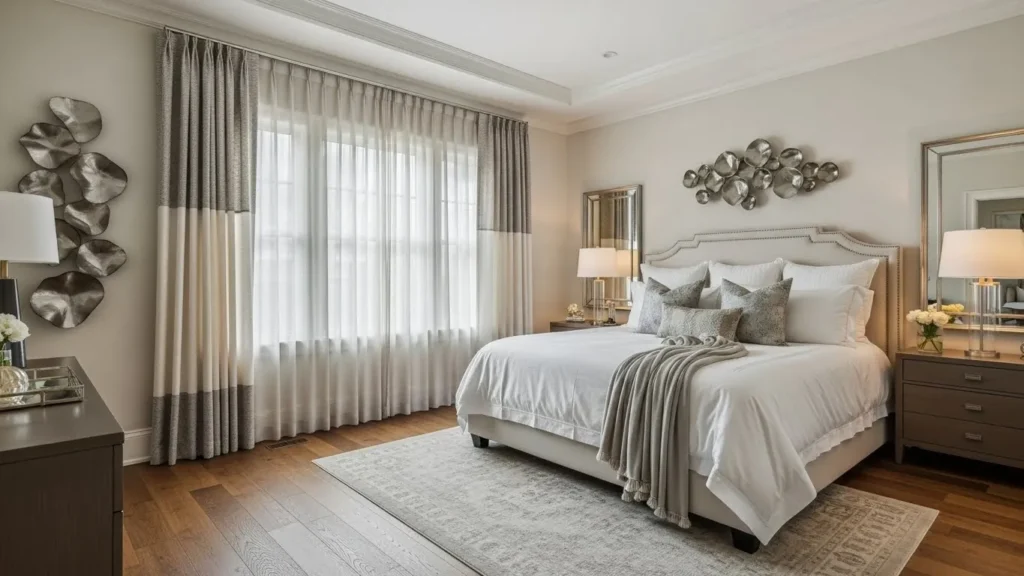
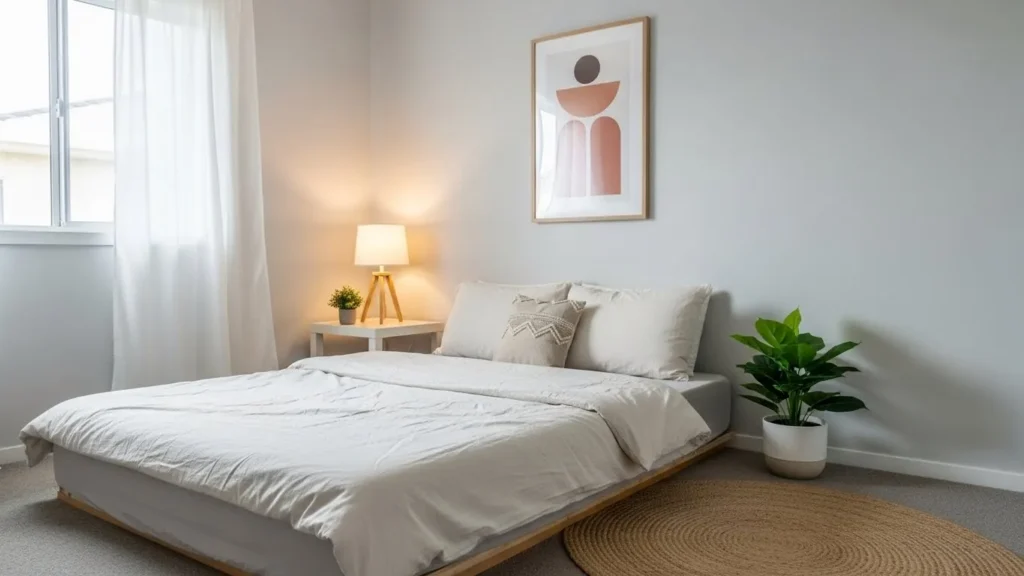
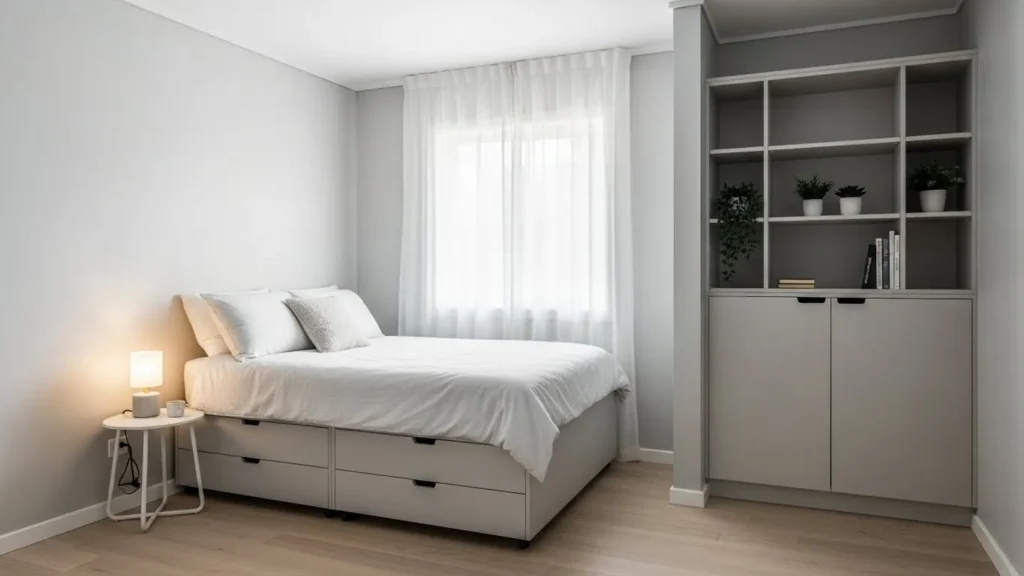
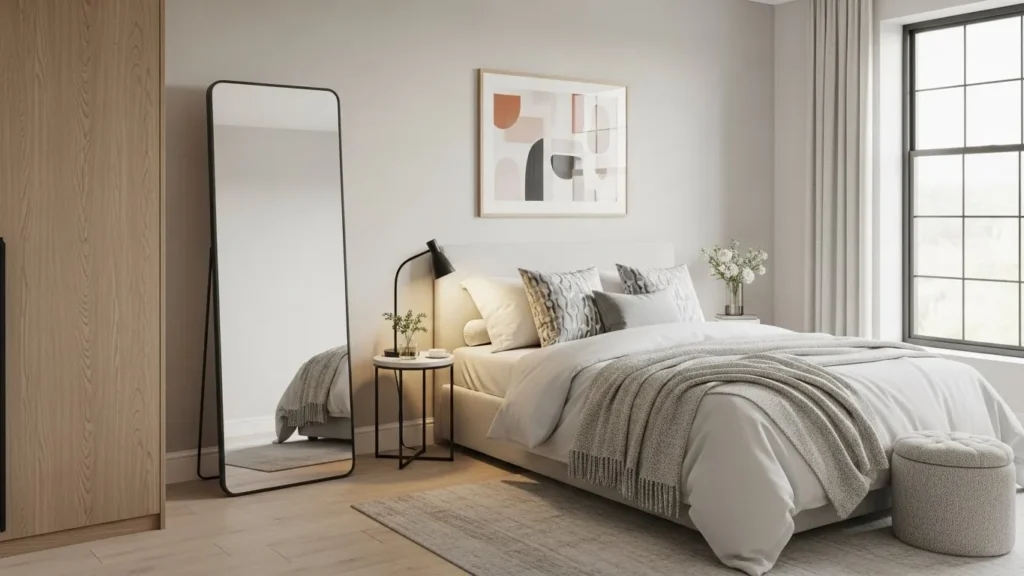
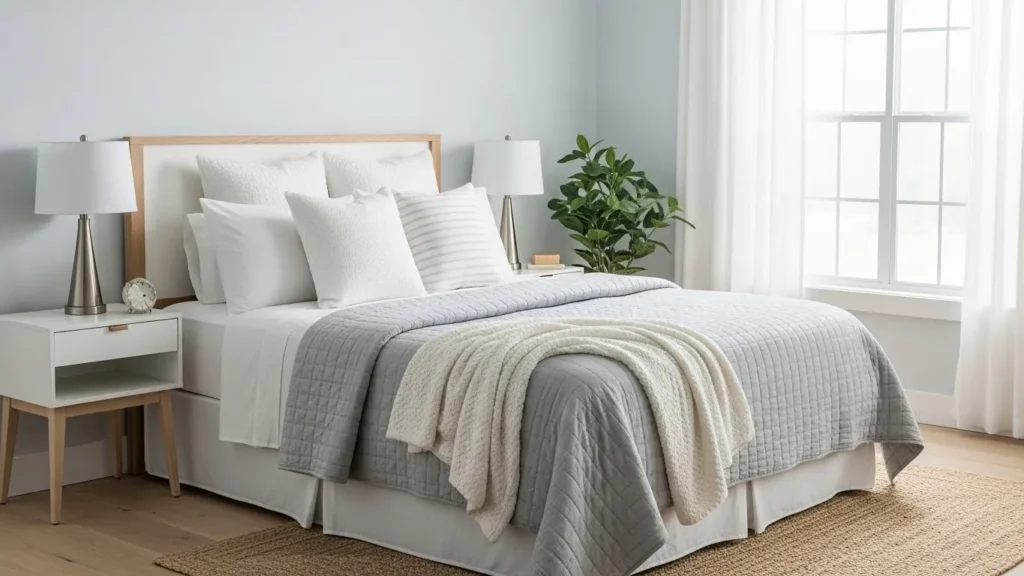
When you walk into a guest bedroom painted in soft neutral tones — imagine warm white, pale beige, or light dove-gray — the room immediately feels calm and gentle. In 2026, many interior designers recommend starting your guest room design with such a neutral canvas. The idea is simple: fewer strong colors, more soft background that lets other elements shine. Use crisp white or off-white bedding, add a few pillows in light muted colors (think pale taupe or soft greige), and choose furniture with clean lines and light wood or metal finishes. The result is a room that feels open, light and peaceful — ideal for guests arriving tired or after a long journey. Minimal décor reduces visual clutter, letting visitors relax without feeling overwhelmed.
To make this style cozy, don’t skip texture: a knitted throw on the bed, a soft rug underfoot, or linen curtains that filter light gently all matter. The softness of fabric, the subtle folds, the tactile contrast against smooth walls — these small touches make a minimalist room feel like a warm hug rather than an impersonal showroom.
2.Earthy Woods and Natural Materials for a Grounded Feel
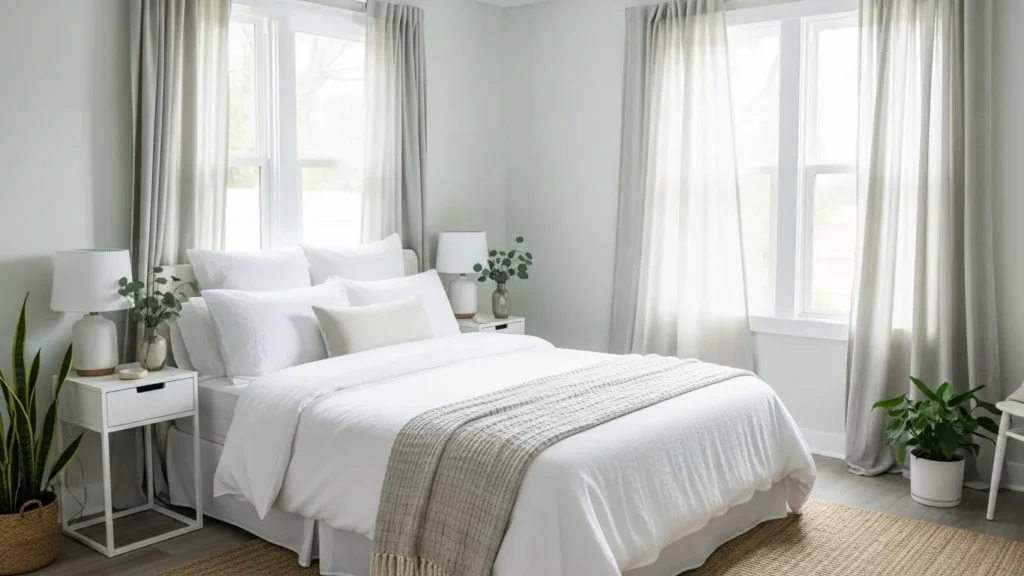
A guest bedroom anchored in natural materials—wood, woven fibers, linen, and perhaps a few plants—brings an organic calm that’s hard to match. In this style, the bed frame, nightstands, or even a small bench or chair could be of warm-toned wood. Bedding stays neutral or off-white, maybe with a linen duvet cover or cotton sheets; not glossy or too bright. Add a jute or wool rug, woven baskets for storage, and simple curtains — no heavy fabrics, just easy, breathable textures.
In 2026, many homeowners and decorators favor this approach because it feels timeless and low-maintenance. It doesn’t demand bold paint or expensive furniture. Instead, through natural materials and straightforward design, the guest bedroom becomes a calm retreat. Guests often comment on how they feel more relaxed and grounded in such rooms — like taking a short vacation inside someone’s home.
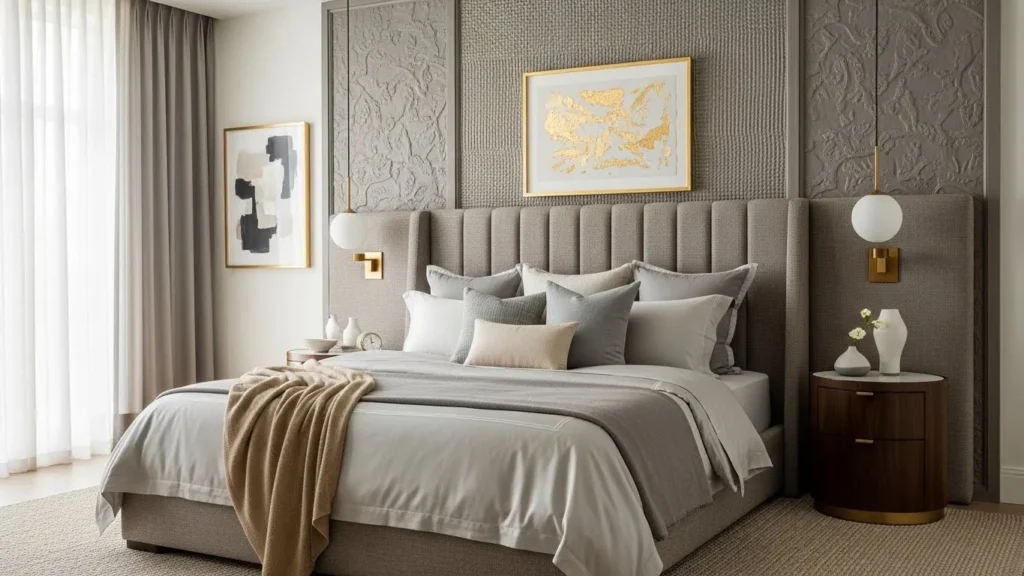
3.Warm Lighting and Layered Lamps — The Unsung Heroes of Comfort
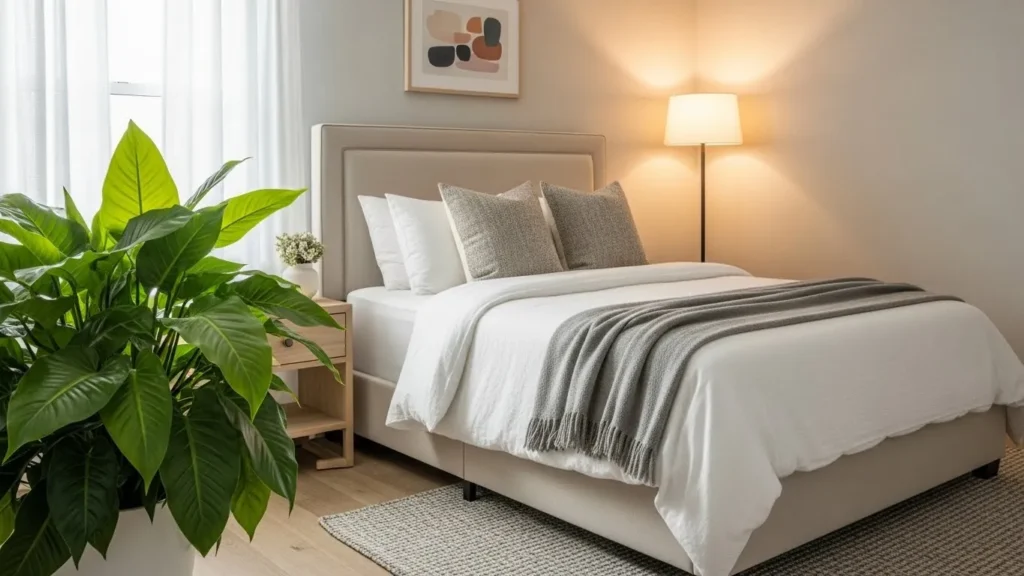
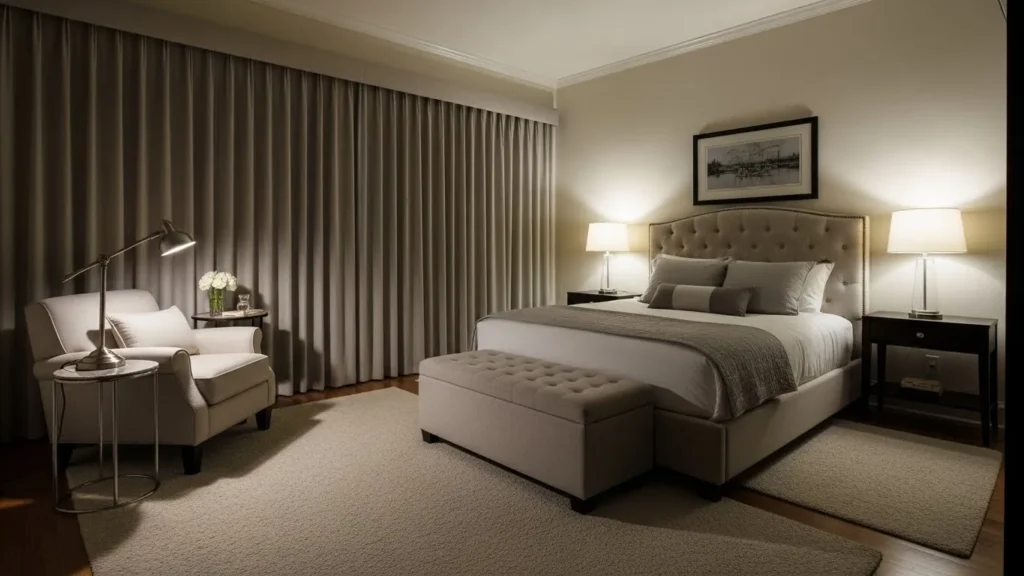
Lighting often gets overlooked, but it’s one of the most powerful tools to shape how a guest bedroom feels. Harsh overhead light can make even a nice room feel cold. Instead, use layered lighting: a soft bedside lamp for reading, a floor lamp near a chair or bench for ambient glow, maybe a small wall sconce if you have little space. Warm-white bulbs (not bright white) help create a cozy, calm atmosphere.
In practice, this means giving thought to placement. Put the bedside lamp within easy reach of the bed so guests don’t need to get up to turn off the light. Add a floor lamp or small accent light in a corner to soften shadows and avoid the “all-light in the ceiling” look. If possible, choose dimmable lights — a little dimmer in the evening makes the room feel restful, like a soft hotel evening space.
Many people underestimate lighting’s effect. But in decades of interior work, I’ve seen time and again how even simple rooms feel far more welcoming and restful once lighting is carefully layered and softened.
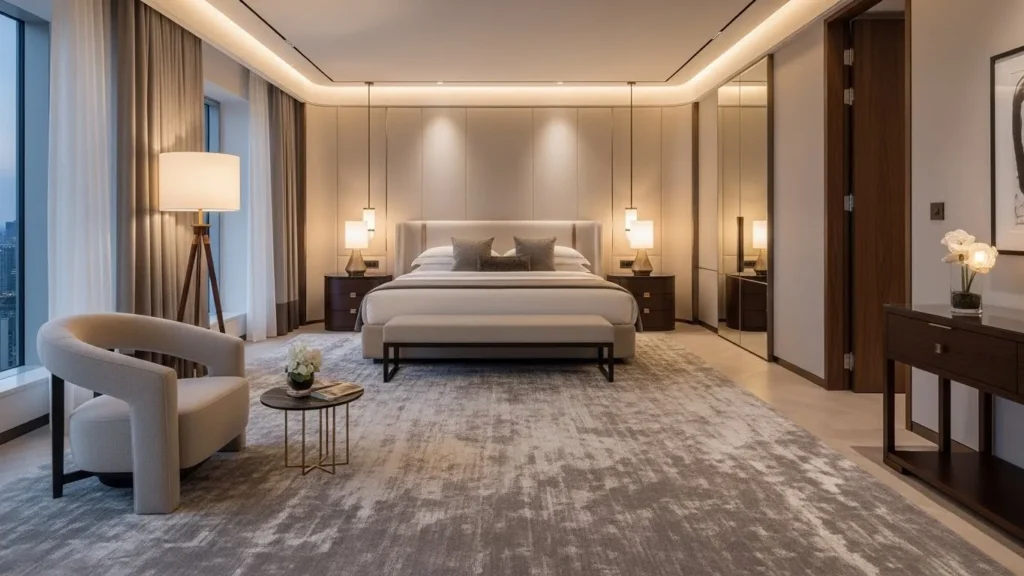
4.Thoughtful Storage: Make Space for Guests’ Things
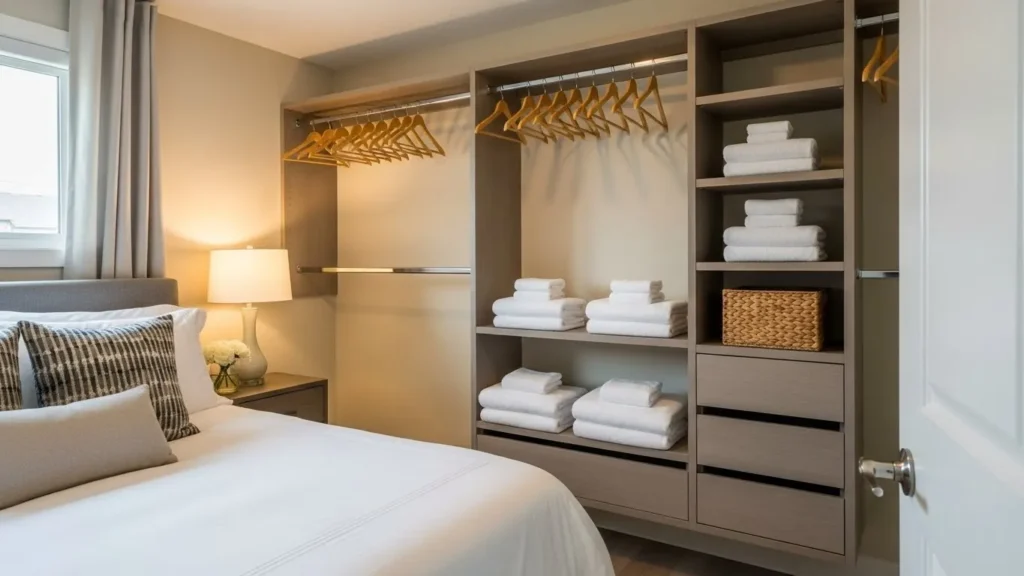
A guest bedroom should never feel like you’re forcing someone into a corner. Guests often bring luggage, bags, or clothes — giving them thoughtful storage goes a long way in making them feel at home. If you have a closet, leave space: empty hangers, an open drawer or two, maybe a small luggage rack near the foot of the bed. If closet space is limited, a narrow chest of drawers, a small wardrobe, or even a set of wall hooks can help.
I also recommend leaving a little shelf, bench or suitcase stand so guests don’t have to place their bags on the floor or bed. It’s a small detail, but one that signals “we thought about your stay”. Over years of hosting people, I’ve noticed that these small storage touches often make more difference than expensive bedding or décor — because they offer real, practical comfort.
5.Flexible Bed Options — Sofa-Beds or Daybeds for Multipurpose Spaces
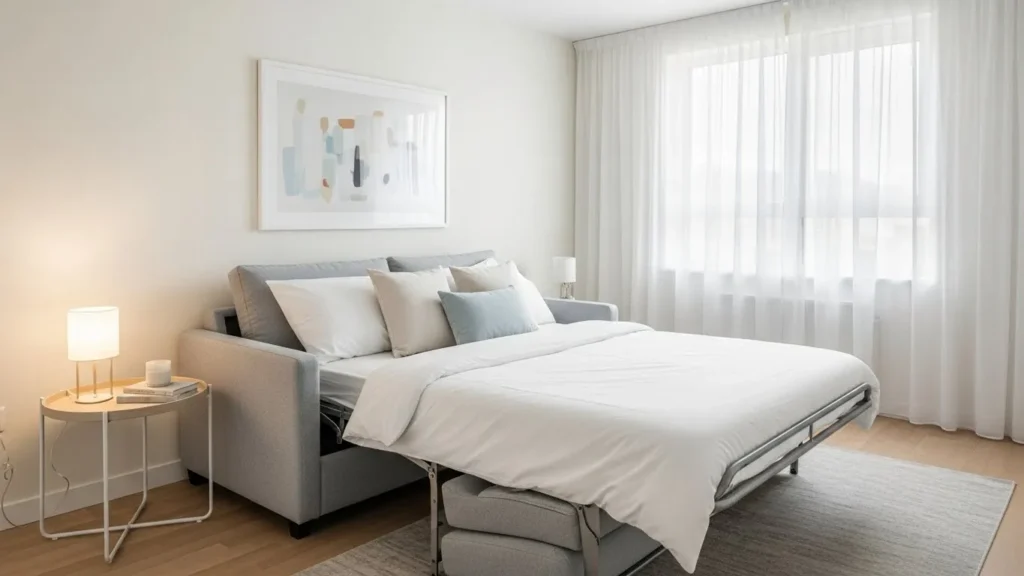
Not every spare room is large enough for a full bed. In smaller homes or apartments, a sofa-bed (or convertible daybed) can transform a multipurpose downstairs sitting room or study into a welcoming guest space when needed. During the day, the sofa looks like part of the regular living area; at night, it becomes a bed.
The modern sofa-bed has come a long way: many now have mattresses thick enough for comfortable overnight stays, and the design aesthetic is much more refined than old pull-out frames. Complement the sofa with cozy cushions and a soft throw; add a small side table or tray for water or reading material. A lamp nearby helps create a night-time reading corner.
For occasional guests — say family who come and go — this flexibility is valuable. It means you don’t sacrifice everyday living space for guest comfort, yet when needed, you’ve got a ready-made cozy retreat.
6.Feature Wall or Accent Color — A Touch of Personality Without Overwhelm
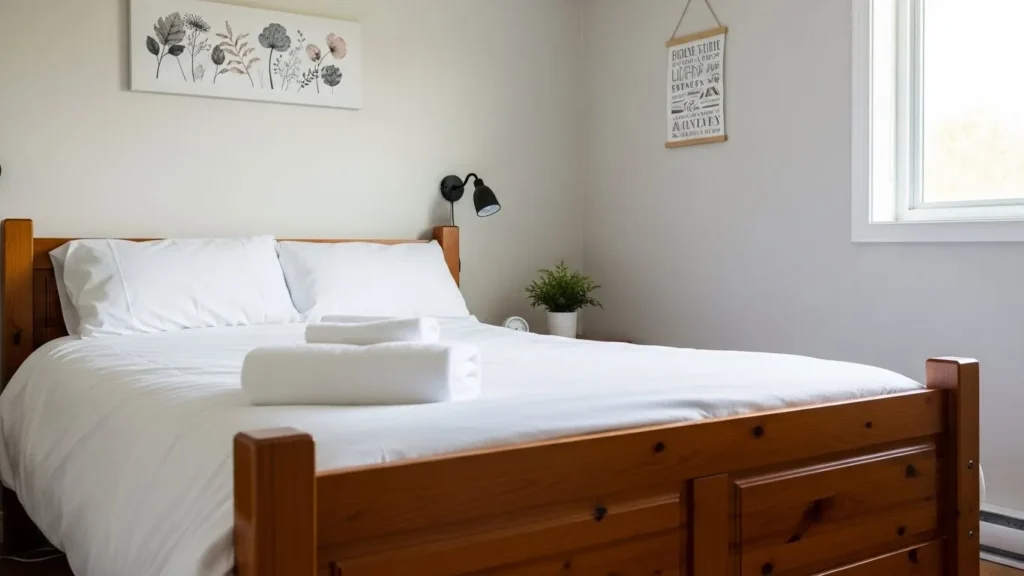
While neutral schemes are safe and calming, a guest bedroom doesn’t have to be boring. Adding a feature wall behind the bed — perhaps a soft sage green, muted blue, or even a deep charcoal — can add personality and warmth without overwhelming the space. If paint feels too heavy, consider textured wallpaper, a fabric-panel headboard, or wooden wall panels.
This feature wall becomes the backdrop for the bed, making the bed the focal point. With simple, neutral bedding, the feature wall adds a gentle contrast that helps the room feel thoughtful and designed, not just a spare space. For example, a muted green or dusty blue feature wall paired with crisp white linens and a light wood bed frame can evoke calm and freshness — like a modern boutique guest room rather than a spare corner.
7.Layered Bedding and Soft Textiles — Comfort Through Touch
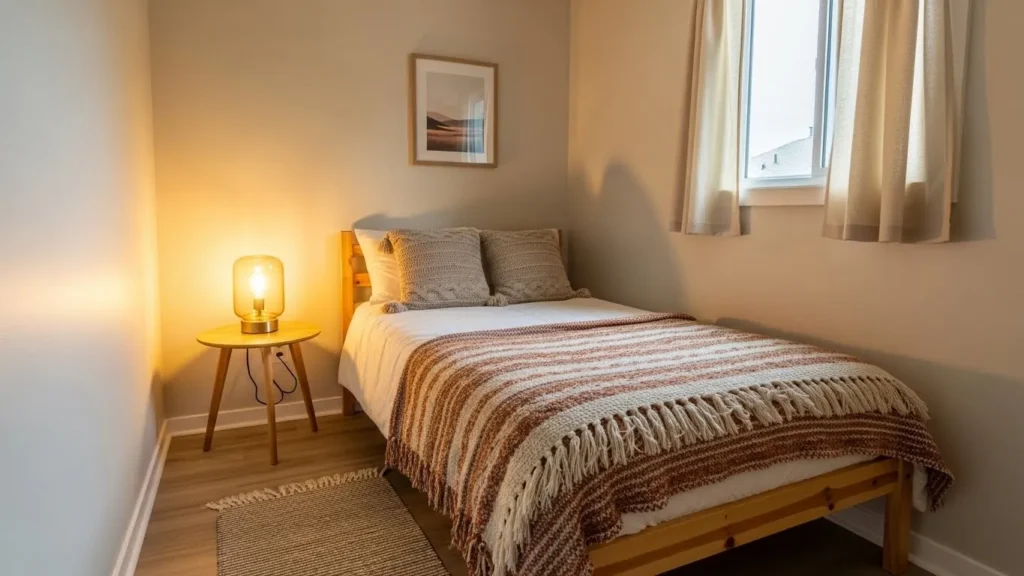
Comfort often comes through feeling — the softness of sheets, the weight of a cozy blanket, the fluff of pillows under your head. That’s why for guest bedrooms, I always recommend layered bedding. Start with a good quality mattress and a crisp sheet. Add a duvet or comforter, then maybe a lightweight blanket or throw for extra texture. Use a couple of pillows for sleeping, plus one or two decorative cushions for lounging or reading.
Include a soft rug underfoot so guests don’t have to step onto a cold floor in the morning. Choose curtains or blinds that give privacy but allow soft natural light during the day. Texture matters: linen, cotton, wool, or knit fabrics give a tactile richness that makes a room feel cozy and lived-in — not like a showroom.
8.Personal Touches — Make the Room Feel Lived-In, Not Like a Hotel
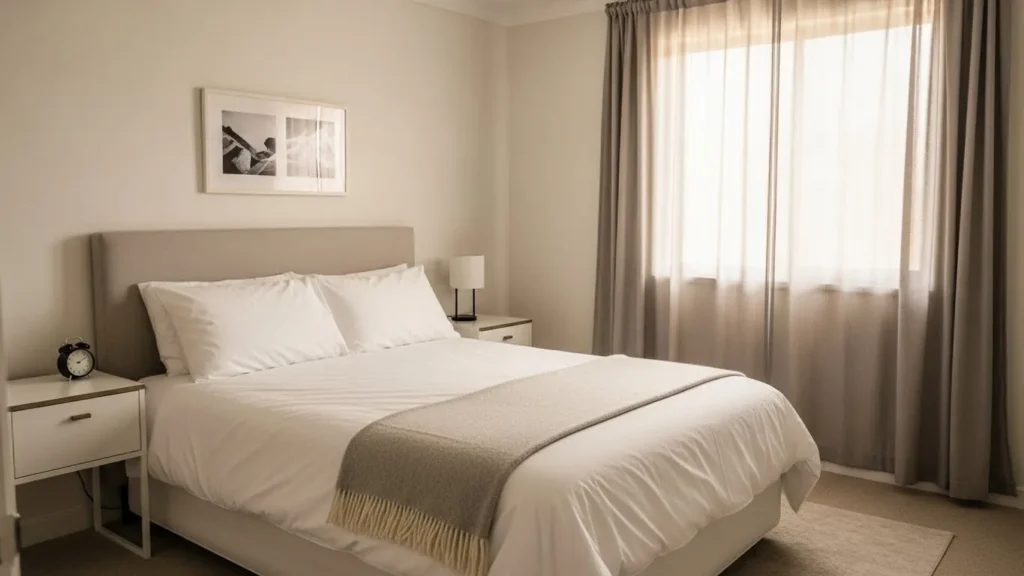
A guest bedroom shouldn’t feel specially “staged” all the time; it should feel like a real room where people live, even if seldom used. That’s why little personal touches matter. It could be a small framed artwork or print on the wall, a plant on the nightstand, a simple vase with flowers, a small stack of books or magazines, or even a notepad and pen for guest use.
If you want to go a bit further: leave a carafe and glass of water on the bedside table, a small basket for dirty laundry, or a few spare chargers or adapters for phones. These are not expensive luxuries — but they speak volumes about your hospitality. Guests often mention these small touches when a stay feels particularly comfortable and welcoming. I know from decades of hosting that people appreciate unspoken kindness shown through little details like these.
9.Multi-Purpose Use: Guest Room That Doubles as Office or Lounge
In many homes — especially smaller ones — dedicating a whole room just for occasional guests may feel wasteful. That’s why in 2026 it’s common to make guest rooms multi-functional. For example, the room can function as a home office or reading nook when no one is staying over.
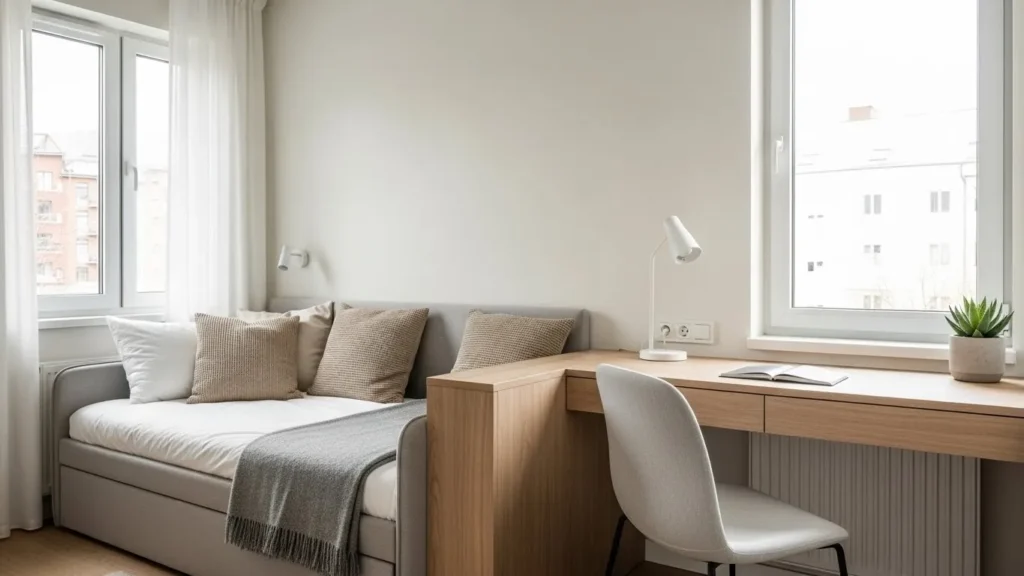
You can achieve this by using foldable or convertible furniture. A daybed or sofa-bed works as seating during the day; a slim desk by the window provides workspace; a narrow bookshelf or wall shelves hold books, décor, or work materials. Use soft, neutral décor so the room feels relaxed. When a guest arrives, you clear the desk area and make the bed — and suddenly it becomes a welcoming guest room. This kind of flexibility makes better use of limited space without compromising on guest comfort.
10.Soft Color Palettes: Blues, Greens, Earthy Hues for Relaxation
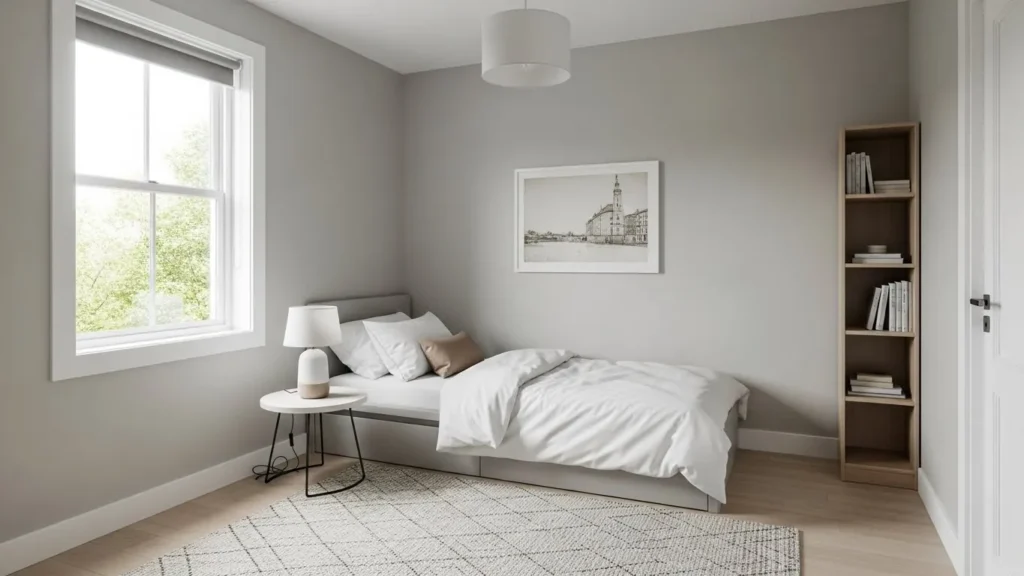
Colors influence mood. In guest bedrooms, tones like soft blues, muted greens, and earthy neutrals tend to work best — they are calming and restful. For example, a soft blue, paired with white or light wood, evokes a sense of peace and freshness. A muted sage green, combined with natural materials and linen bedding, can feel restful and grounded. Warm earth tones — beige, taupe, soft browns — bring comfort and warmth.
What’s important is balance: the color should never be too bold or intense. In my experience, guests appreciate spaces where they can relax, not ones that provoke or overstimulate. Soft tones, gentle contrasts, and natural materials together create a harmonious environment where guests can truly unwind.
11.Layered Rugs and Floors: Tying the Room Together
A well-chosen rug can transform a guest bedroom. It anchors the bed, softens hard floors, adds warmth underfoot, and ties together furniture and décor. In 2026 design thinking, using rugs with natural textures — wool, jute, cotton — or subtle patterns adds both comfort and understated style.
Even if your room is small, placing a rug that extends beyond the bed on either side (or at least covers the area in front of the bed) makes waking up and walking around the room feel gentle. This is especially helpful if you have tile or hardwood floors. The rug also visually defines the sleeping area and balances the room’s elements. Layering rugs — for instance, a larger neutral rug under the bed, and a smaller textured or patterned one near a seating area — adds depth and character without clutter.
12.Window Treatments: Light Control and Privacy
Windows are both a blessing and a challenge. Natural light brightens a room, but if unbalanced, it can make a bedroom feel harsh or expose too much in terms of privacy. For a guest bedroom, good window treatments are important. Use curtains or blinds made from breathable fabric — linen or cotton — which let in soft light but still provide privacy. Sheer curtains can create a gentle glow in the morning; heavier drapes on sliding rods give nighttime privacy and help keep the room insulated.
If possible, choose curtain rods or blinds that the guest can easily operate. One of the small kindnesses is making sure the rods are reachable from the bed or that the blinds don’t stick — guests appreciate being able to adjust light without struggling. A well-dressed window balances daylight, privacy, and comfort.
13.Accent Seating or a Bench: Extra Comfort for Guests
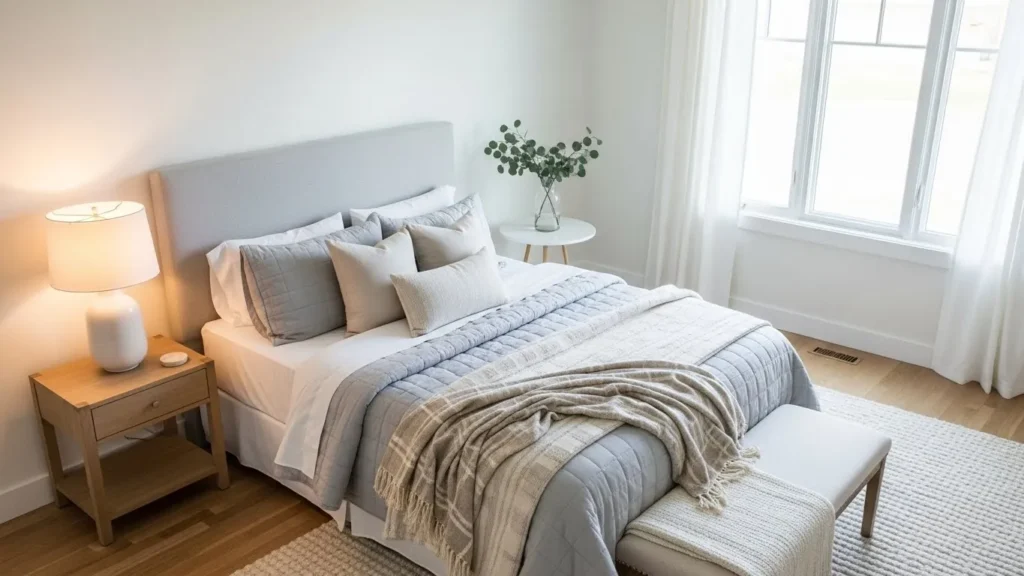
If space allows, including a small bench at the foot of the bed, or a simple chair in a corner, adds comfort and functionality. A bench becomes a spot for luggage, a place to sit while putting on shoes, or even for a guest’s clothing. A corner chair, ideally near a window or lamp, can serve as a reading nook or quiet spot for reflection.
Over decades of design, I’ve found that guests love these small touches — they make the room feel more like a hotel suite or a well-thought-out guest room rather than a spare corner. Even a narrow bench or a folding chair, placed thoughtfully, can dramatically increase comfort and usability without crowding the space.
14.Small Decor — Art, Greenery, and Personal Touches
The difference between a “spare room” and a “guest room” often lies in small decorative details. A simple framed art print, a small potted plant, a decorative vase — these things give life and personality to space. Avoid overly cluttered décor — aim for one or two good pieces rather than many small items.
If you choose a plant, pick something easy: a small leafy plant, succulent, or even a dried flower bouquet. Living (or living-looking) elements make the room feel fresh and cared for. Art prints or simple wall décor help the guest feel like they are in a lived-in, curated space with thought behind it, not just a spare bed shoved somewhere.
15.Versatile Lighting: Task, Mood, and Safety
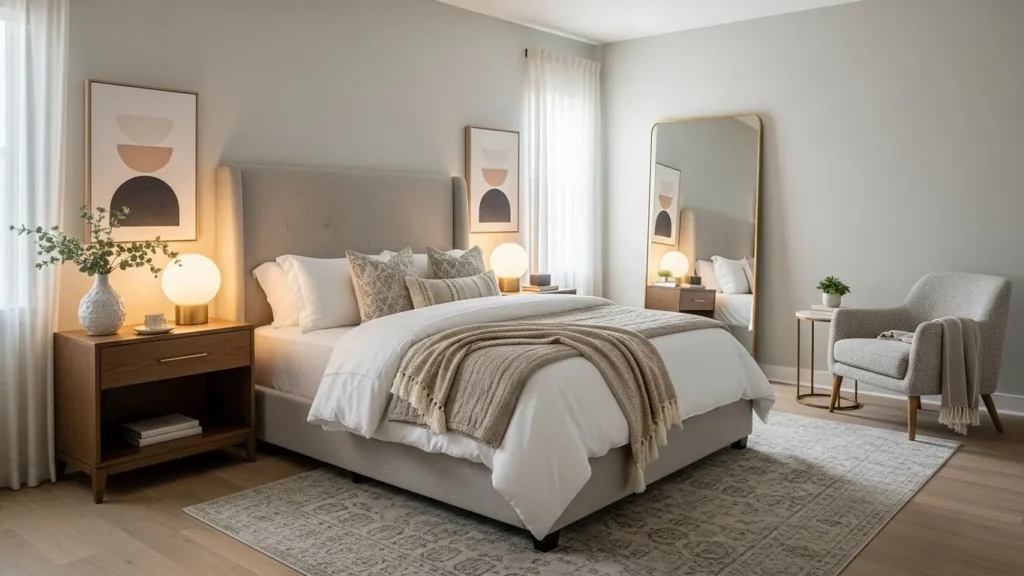
Beyond bedside lamps, consider adding versatile lighting: maybe a small reading lamp by the chair, a wall sconce over the bench or near a closet, or even a dimmable overhead light. Good lighting plans give guests control depending on their needs: reading, relaxing, preparing for bed, or early morning routines.
Also, think about convenience and safety. If there are light switches far from the bed, a plug-in bedside table lamp or night-light can save a lot of trouble. In older houses or in regions where electricity might fluctuate, having a soft light fixture and easy-access lamp can help guests feel secure and settled.
16.Simple Color Accents: Towels, Throws, Cushions — Personality Without Overload
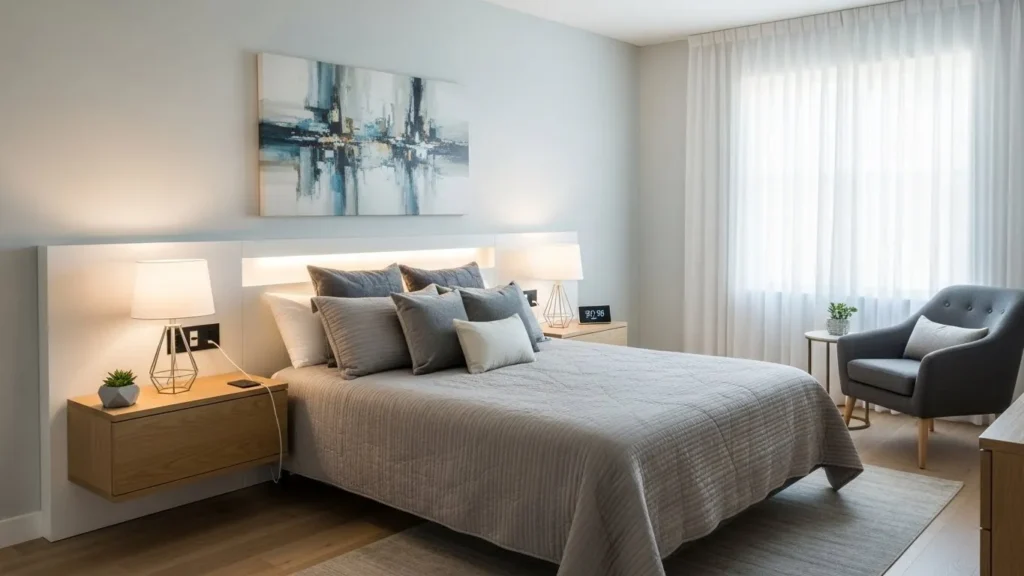
If the room’s main palette is neutral, you can add a touch of personality with small color accents: a soft throw blanket, a cushion, a decorative pillow, or even the color of towels and rugs. Choose a subtle accent color — dusty rose, muted teal, light olive, warm rust — rather than bright bold tones.
These small pops of color create visual interest without dominating the room. They make the space feel warm and intentional. Over the years, I’ve seen how such small touches — a colored throw over the bed, a patterned cushion on a chair — make guests comment positively, saying the room feels “inviting” or “homey.”
17.Smart Use of Vertical Space: Shelves, Wall Hooks, and Slim Furniture
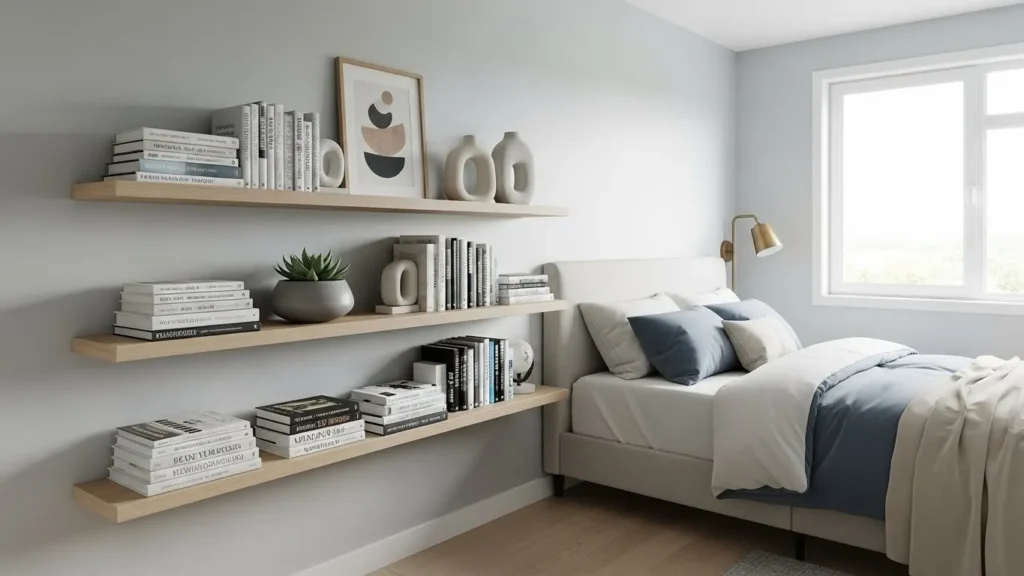
In smaller guest rooms (or rooms with odd shapes), floor space is precious. That’s why using vertical space smartly becomes important. Wall-mounted shelves give a place for books, small décor, or a clock. Wall hooks give guests a place to hang coats or bags. Slim wardrobes or narrow bookcases provide storage without eating up floor space.
This kind of vertical organization helps keep the floor clear, makes the room feel larger, and offers guests convenience. It’s especially useful in apartment setups or older houses where room size is limited.
18.Seasonal or Rotating Décor: Keep the Guest Room Fresh
If your guest room is rarely used, you might be tempted to decorate once and forget about it. But a better approach is to think of the guest room as a living space — update small elements seasonally or occasionally. That could mean changing cushion covers, swapping a throw, rotating wall art, or adding a seasonal plant.
Updating small things keeps the room feeling fresh and awake, rather than stale. Guests who come after months or a year may be surprised to find the room looking refreshed. This helps maintain a welcome feeling — and shows that you’re genuinely thinking of their comfort rather than treating the room as storage.
19.Cleanliness and Maintenance: Underlying Foundation of Comfort
No matter how beautiful a guest room looks, if it’s dusty, the sheets are rough, or there’s clutter, it loses its appeal. For a guest room to truly honor a guest, cleanliness and maintenance are essential. Clean bedding, dust-free surfaces, functioning lights, clean windows, and fresh air matter as much — if not more — than décor.
From my decades in this field, I’ve seen that even simple rooms feel luxurious when they’re clean and tidy. So before you think about décor, think about building a routine: wash guest bedding regularly, vacuum or sweep the floor, dust surfaces, check lighting and windows — especially after long gaps between guest visits.
20.Combining Functionality with Warmth — Don’t Sacrifice One for the Other
Some guest rooms end up as purely functional — a bed, maybe a small dresser — but feel cold or characterless. Others go full décor but end up impractical: no place to store luggage, no light switch near the bed, no proper ventilation. The best guest bedrooms balance function and warmth.
That balance means giving thought to where furniture is placed, how accessible lighting and storage are, and ensuring the décor supports comfort rather than complicates it. From decades of practical work, I know the difference: a guest will appreciate a room that “just works” — where they don’t have to think about anything except resting.
21.Adapt to Local Climate and Culture — Consider What Guests Actually Need
Design ideas often come from global trends, but it’s always wise to adapt them to your local climate and living habits. If summers are hot, focus on breathable linens, light curtains, ceiling fans or portable fans. If winters are cold, heavier blankets, rugs, and perhaps a small heater or thick curtains make sense.
Similarly, consider cultural habits: you might need floor seating instead of a chair, a place for shoes at the door, or simple storage for cultural garments. As someone who’s designed rooms for different regions over decades, I’ve learned that local adaptation makes a space truly welcoming — more than simply following global “trend” checklists.
22.Neutral Versatility — A Guest Room for Anyone and Everyone
Because different guests have different tastes and needs (young friends, elderly relatives, kids, distant cousins, working guests), a guest room should be broadly appealing. A neutral, simple, cozy design — with flexible bedding, adaptable storage, and minimal “personality” that might distract or clash — ensures that most people feel comfortable.
In 2026, many decorators suggest steering away from bold or too-specific themes unless you know your usual guest types. Neutral, adaptable rooms minimize the risk of someone feeling out of place or uncomfortable. Over many years, I’ve found that guests rarely complain about a room that feels clean, calm, and easy to settle in — even if it’s simple.
23.Safety, Accessibility, and Ease — Think From the Guest’s Perspective
Guests are often in unfamiliar surroundings. That’s why a guest room should feel easy to use: reachable light switches; clear floor paths; easy-to-operate windows or curtains; a place to set luggage or accessories; maybe a mirror; and enough outlets for charging phones.
From my professional and personal experience, small touches like a nightstand with a water carafe, a safe lamp, a visible wall hook for a coat — these make stay comfortable. Accessibility matters too: if the room is on a steep staircase or has a slippery floor, add non-slip rugs or simple signage. Treat your guest’s comfort and safety as if you are an innkeeper — because a true overnight guest is a temporary resident in your home.