
Why Fence-Line Raised Garden Beds Make Sense
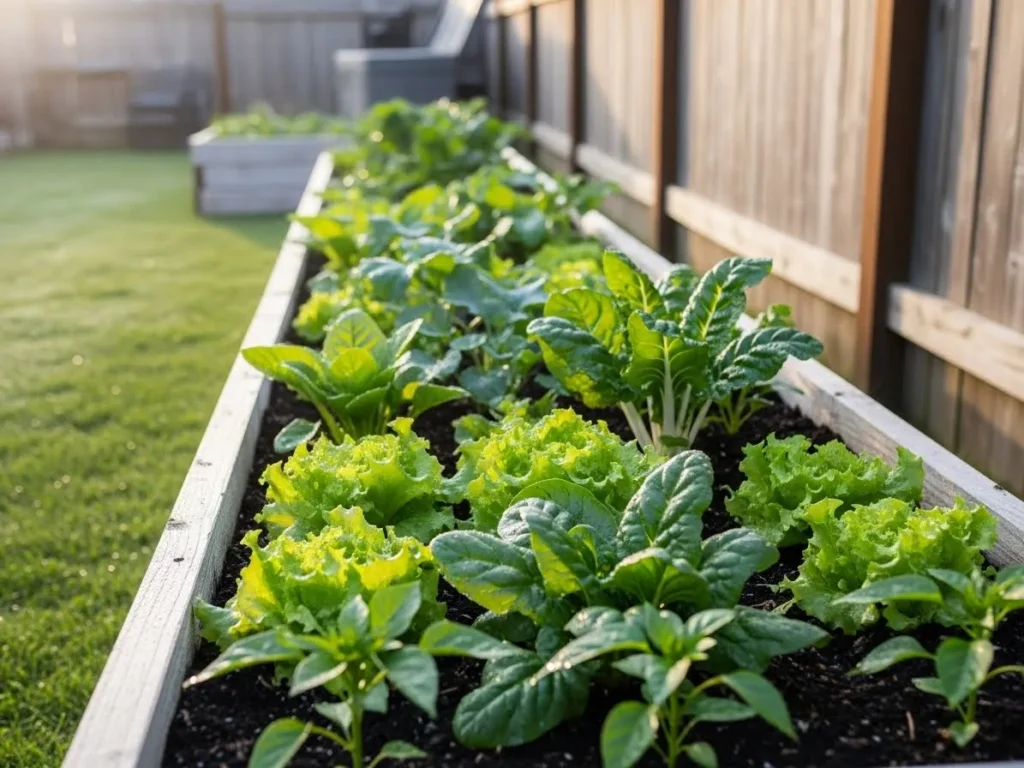
A fence naturally creates structure. It defines the edge of your property and gives you a vertical surface that plants can grow against or climb onto. By adding a raised bed at the base of that fence, you create a controlled growing zone that is easier to manage than ground-level soil.
Over the years, I have seen many gardeners struggle with poor soil along fence lines. Construction debris, compacted dirt, and drainage problems are common in these areas. A raised bed eliminates most of those issues immediately. You bring in clean, fertile soil, improve root health, and give plants the depth they need to thrive.
Fence-line raised beds are also excellent for space saving. Instead of spreading your garden across the yard, you concentrate it in a long, narrow footprint that still produces a high yield. This is especially useful in small yards, side yards, and narrow outdoor spaces where every inch matters.
Long, Narrow Raised Beds for Maximum Efficiency
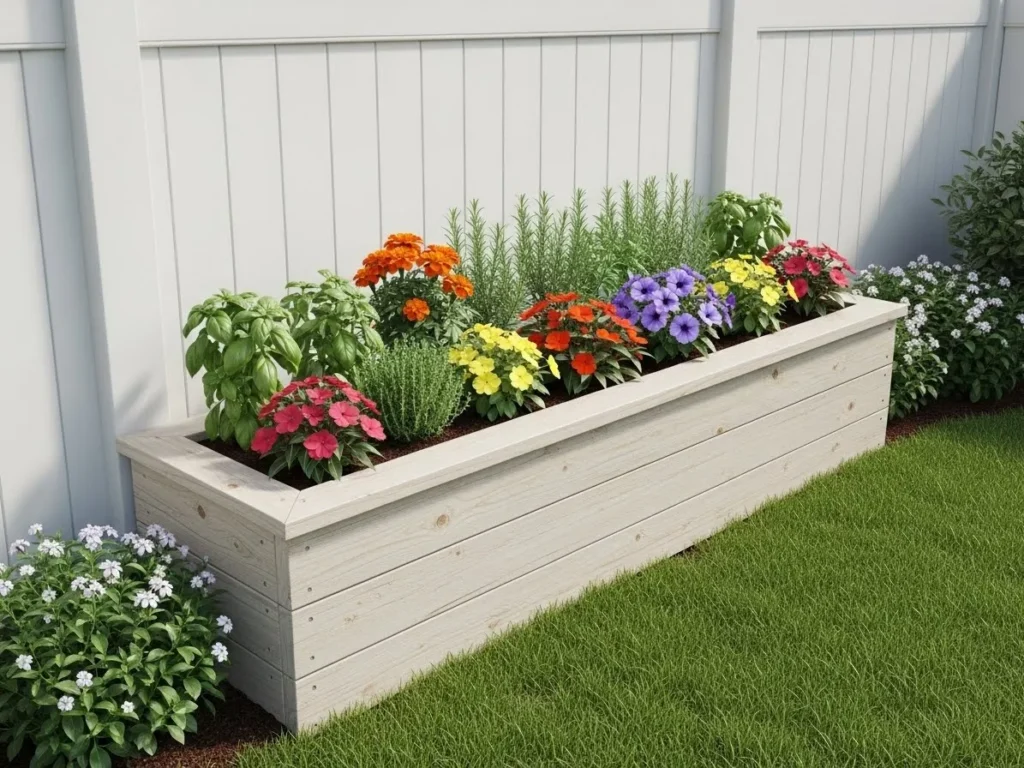
One of the most effective designs along a fence is a long, narrow raised bed that runs the full length of the fence. This approach creates a continuous planting area that feels organized and intentional. It works particularly well for vegetables, herbs, and flowers that benefit from consistent soil conditions.
In my experience, narrow beds perform better than wide ones in tight spaces. They are easier to reach from one side, require less soil, and encourage better airflow around plants. When placed along a fence, they also keep plants from spilling into walkways or lawns, which reduces maintenance over time.
These beds work well for seasonal crops and allow you to rotate plants easily. With careful planning, you can grow spring greens, summer vegetables, and fall crops in the same space without disturbing the rest of your garden.
Raised Beds with Built-In Trellis Support
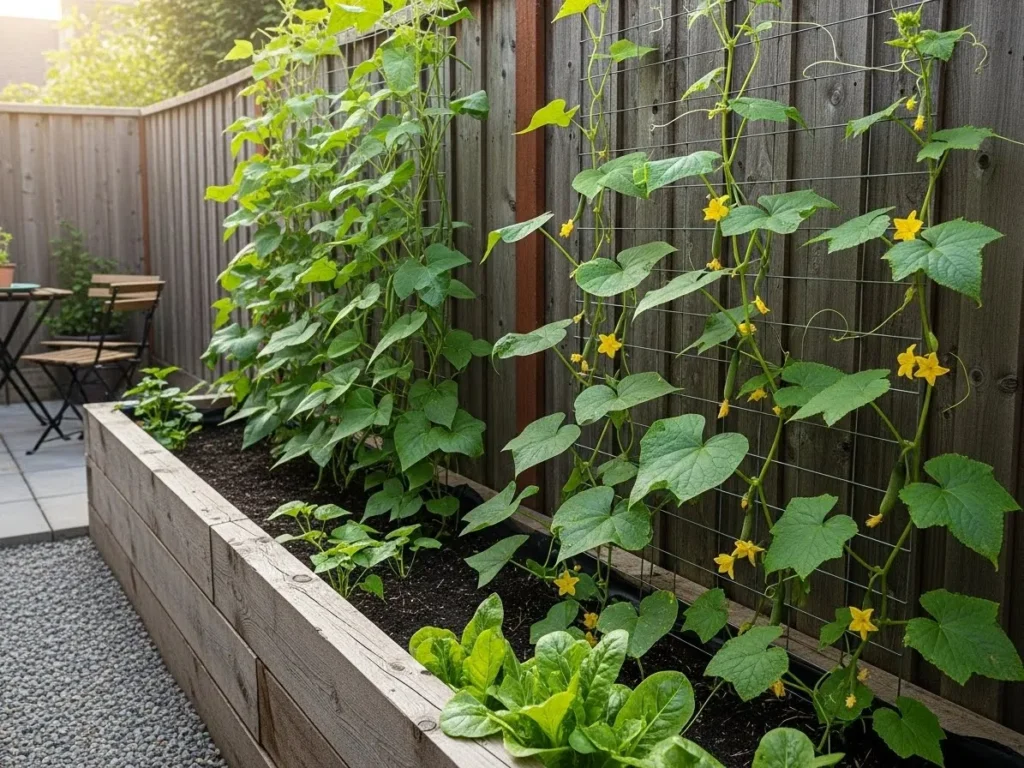
Using the fence as a support structure is one of the smartest ways to save space. Raised beds placed directly against a fence allow you to grow climbing plants vertically instead of letting them spread outward. Over the years, I have used this setup successfully for beans, peas, cucumbers, tomatoes, and even some fruiting vines.
A raised bed combined with a fence or added trellis keeps plants upright, improves air circulation, and makes harvesting easier. It also reduces the risk of soil-borne diseases because leaves and fruit stay off the ground.
This method is ideal for gardeners who want higher yields from a small area. Vertical growth along a fence turns unused airspace into productive garden space without making the yard feel crowded.
Tiered Raised Beds for Sloped Fence Lines
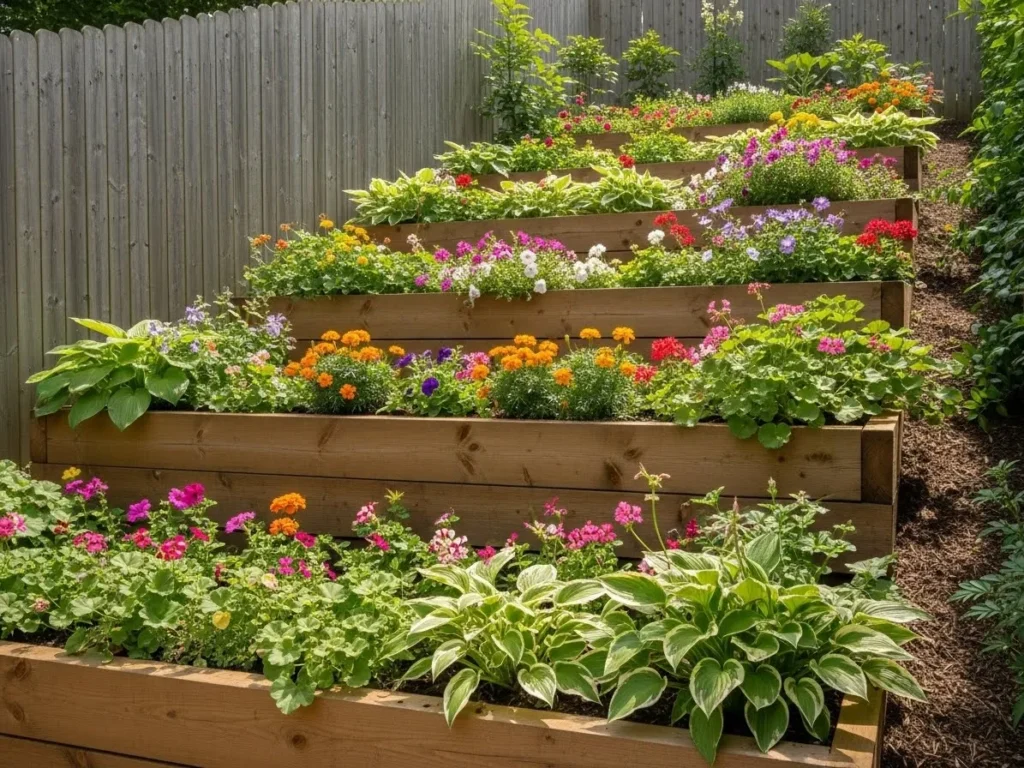
Not all fence lines are flat. Many yards slope slightly toward or away from the fence, which can make gardening difficult if left unaddressed. Tiered raised beds are a practical solution that I have used many times on uneven ground.
By stepping the beds up or down along the fence, you create level planting surfaces that hold soil in place and improve drainage. Tiered designs also reduce erosion and make watering more consistent across the planting area.
Beyond function, tiered beds add visual interest. They create depth and dimension along a fence, turning a plain boundary into a layered garden feature that looks intentional and well designed.
Raised Beds Designed for Partial Shade
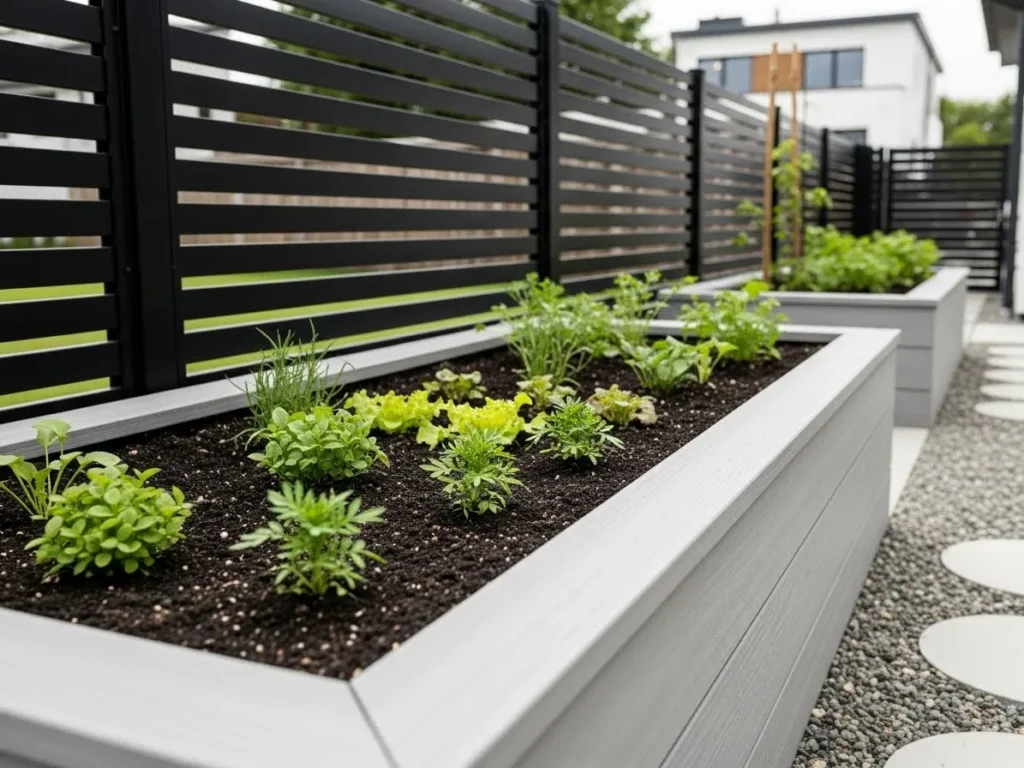
Fence lines often receive uneven sunlight, especially in smaller yards where buildings or trees cast shadows. Instead of fighting the shade, experienced gardeners work with it. Raised beds make this easier because you can control soil quality and moisture, which are critical in lower-light conditions.
Over the years, I have grown excellent crops in partially shaded fence-line beds by choosing the right plants and keeping soil healthy. Leafy greens, herbs, and many flowering plants thrive in these conditions when planted in raised beds.
Raised beds also warm up faster in spring than ground soil, which helps compensate for reduced sunlight. This gives shaded fence areas a better chance to produce strong, healthy plants throughout the growing season.
Raised Beds That Protect the Fence Itself
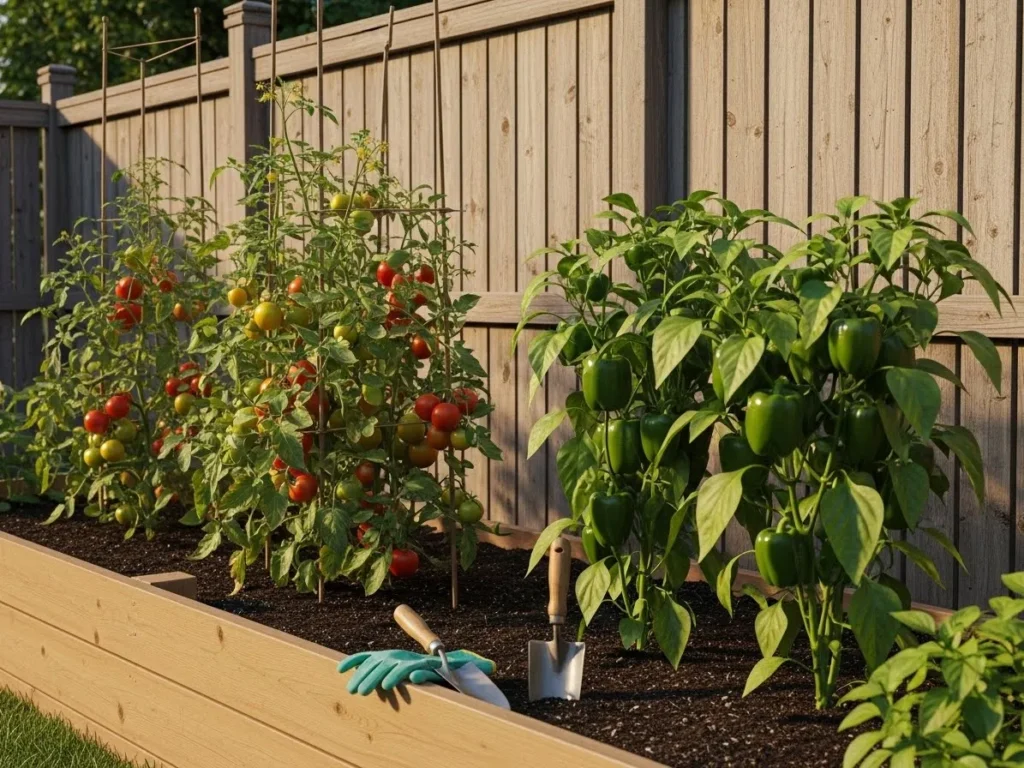
One mistake I see often is planting directly against a wooden fence without considering long-term damage. Constant moisture, soil contact, and plant growth can cause fences to rot or warp over time. A properly designed raised bed creates a buffer between the soil and the fence.
By keeping soil contained and slightly offset from the fence, you improve airflow and reduce moisture buildup. This extends the life of the fence while still allowing plants to grow close enough to benefit from support and structure.
In many of the gardens I have maintained, this small design choice made a noticeable difference in fence condition after just a few seasons.
Raised Beds with Integrated Seating Along the Fence
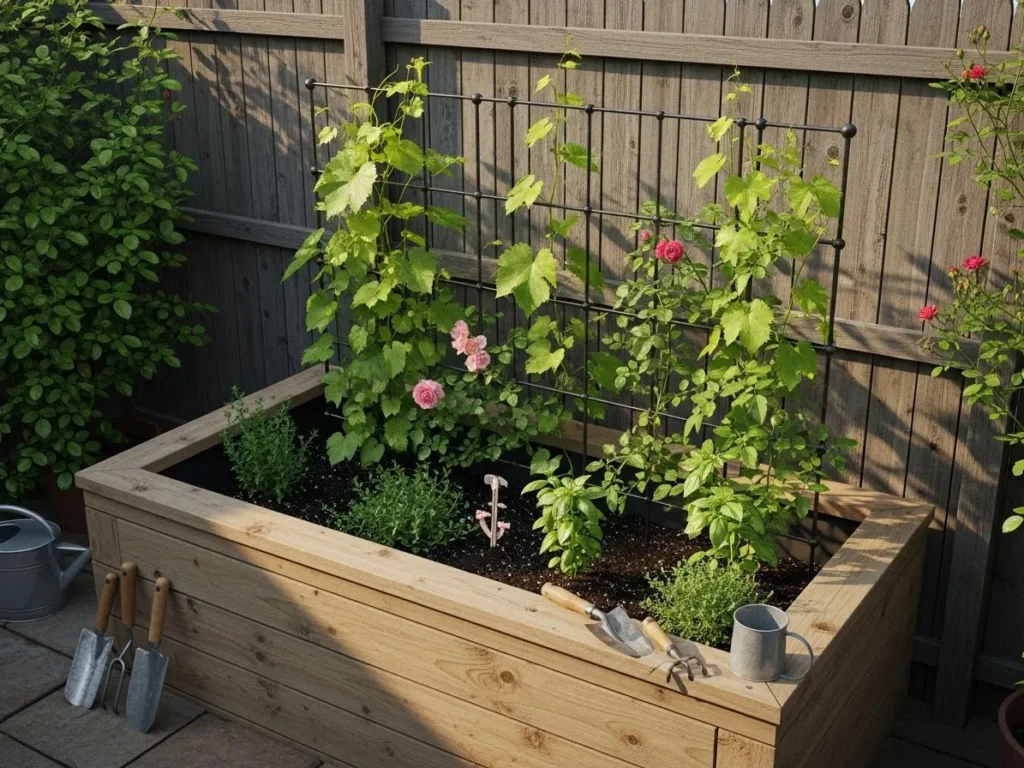
In some spaces, raised beds can do double duty. A well-built bed along a fence can also act as a seating edge, especially in small yards where space is limited. I have built many beds at sitting height that allow gardeners to rest, observe, and enjoy their space while still being functional planting areas.
This approach works best with sturdy materials and careful construction. When done correctly, it creates a comfortable, multi-use garden feature that feels intentional rather than crowded.
These designs are particularly useful in urban gardens or family yards where outdoor space needs to serve multiple purposes.
Raised Beds for Privacy and Soft Screening
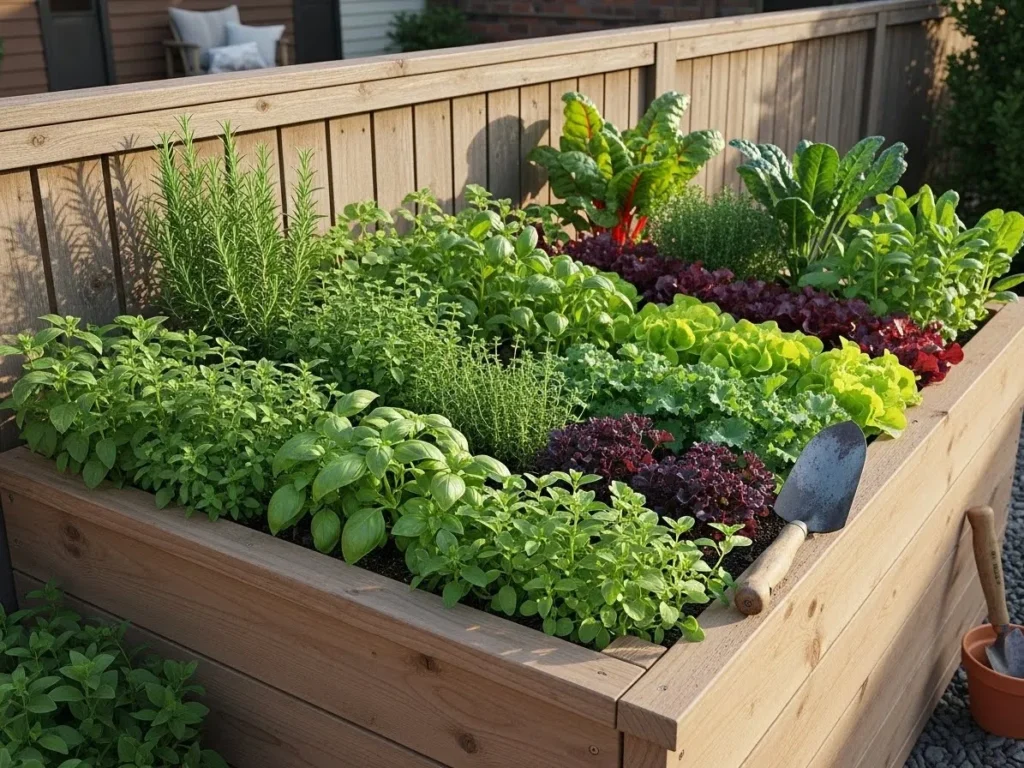
Fence-line raised beds are excellent for adding a layer of natural privacy. Over time, plants grow taller and fuller, softening the hard lines of a fence. I often recommend this approach to homeowners who want more seclusion without installing taller fencing.
By choosing plants that grow upward rather than outward, you create a green screen that feels natural and inviting. Raised beds support this growth by providing better soil depth and drainage, which encourages healthy, vigorous plants.
This setup improves both function and appearance, turning a simple fence into a living backdrop for your garden.
Raised Beds for Low-Maintenance Gardening
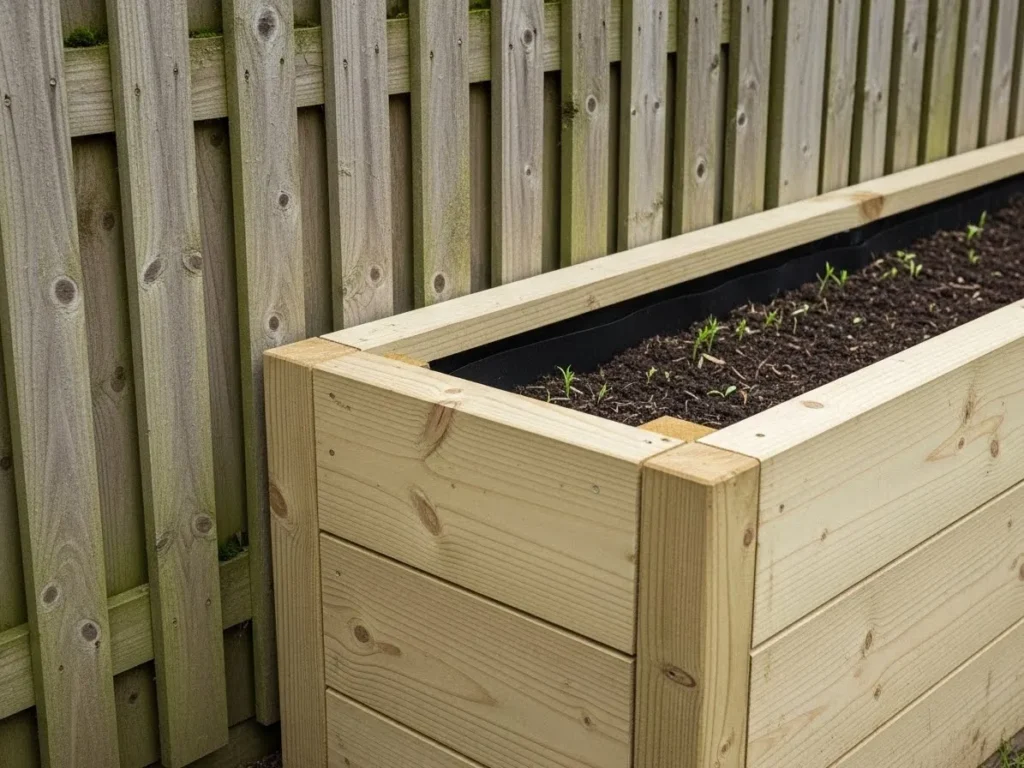
One of the biggest benefits of raised beds along a fence is reduced maintenance. Weeds are easier to control, soil stays loose and fertile, and plants are easier to access. Over decades of gardening, I have found that raised beds require less effort for better results when designed correctly.
Fence-line beds are especially efficient because they concentrate gardening tasks in one area. Watering, pruning, and harvesting can all be done in a single pass, saving time and energy.
For busy homeowners or aging gardeners, this setup can make the difference between enjoying gardening and giving it up altogether.
Raised Beds That Improve Drainage in Problem Areas
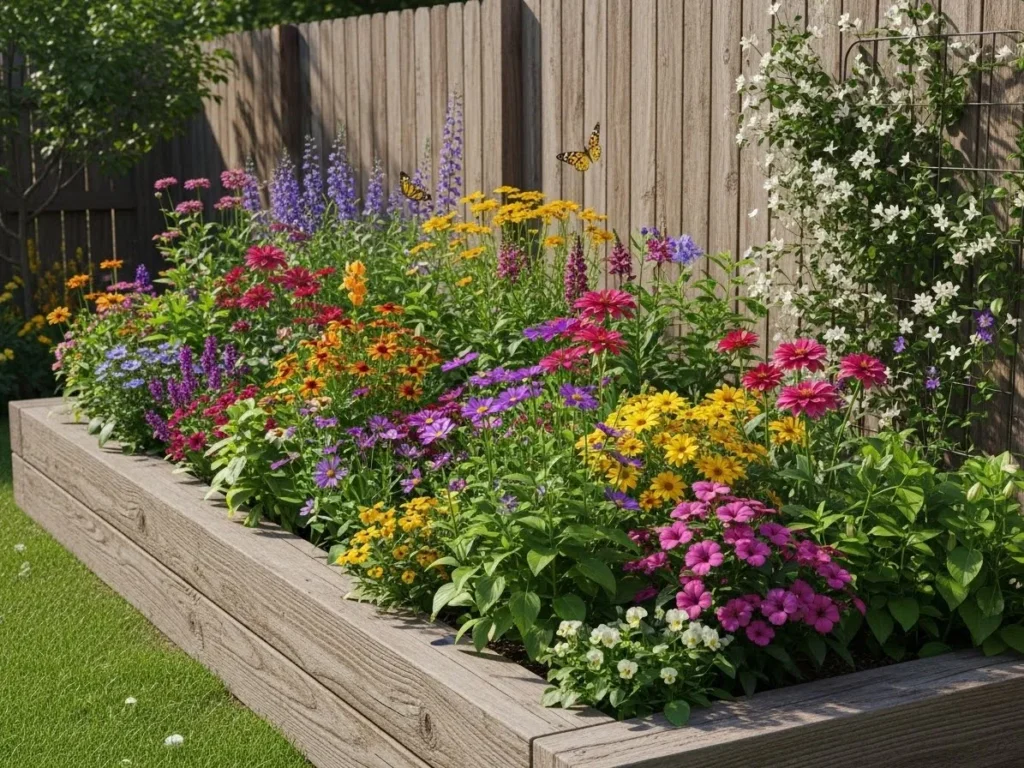
Fence lines are often where water collects after rain, especially in older yards. Raised beds lift plant roots above soggy ground, preventing rot and disease. I have rescued many struggling gardens simply by adding raised beds in these problem areas.
Improved drainage leads to healthier roots, stronger growth, and better yields. It also allows you to garden successfully in areas that would otherwise be unusable.
This is one of the most practical reasons to choose raised beds along a fence, especially in regions with heavy rainfall or compacted soil.
Raised Beds for Year-Round Growing
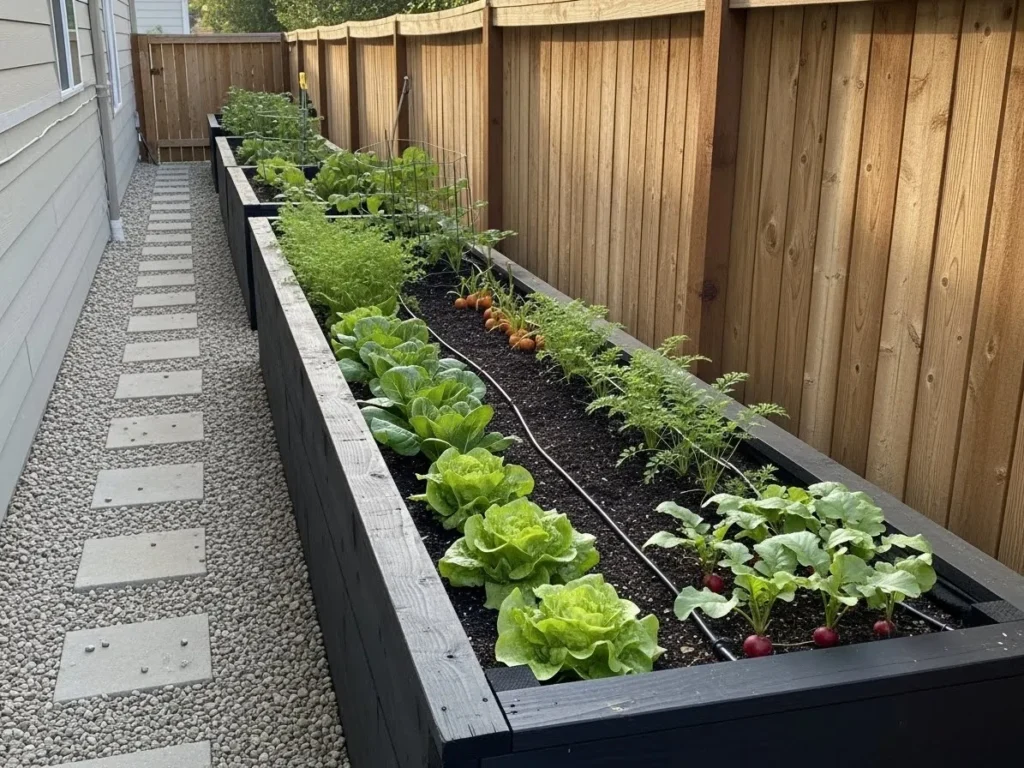
With proper planning, fence-line raised beds can be productive throughout much of the year. Raised soil warms faster in spring and stays workable longer in fall. In my own gardens, this has allowed for extended growing seasons without expensive equipment.
When placed along a fence, raised beds can also benefit from reflected heat and wind protection. This creates a slightly warmer microclimate that helps plants survive cooler temperatures.
For gardeners who want to maximize production in limited space, this is a major advantage.
Raised Beds That Add Visual Structure
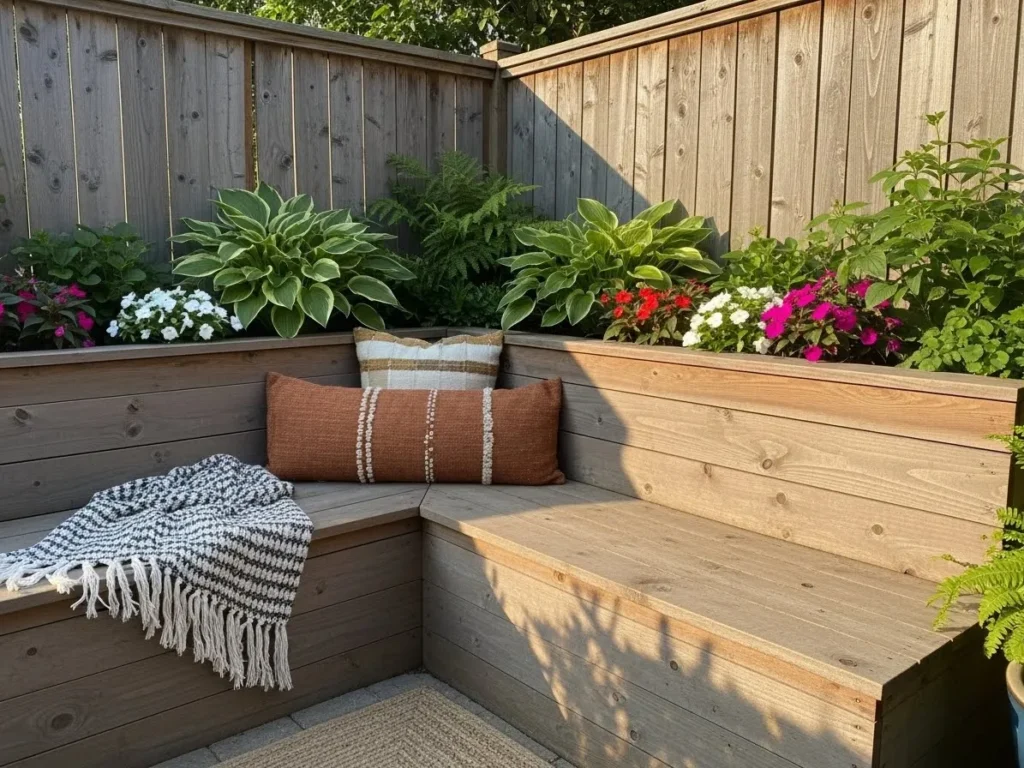
A fence can feel harsh or boring on its own. Raised beds soften that boundary and add structure to the garden. Over time, plants fill in, creating a layered look that feels balanced and intentional.
In many of the landscapes I have worked on, fence-line raised beds became the visual anchor of the yard. They guide the eye, define space, and make even small gardens feel thoughtfully designed.
This combination of function and appearance is one of the reasons raised beds remain popular decade after decade.
Raised Beds Built for Easy Access
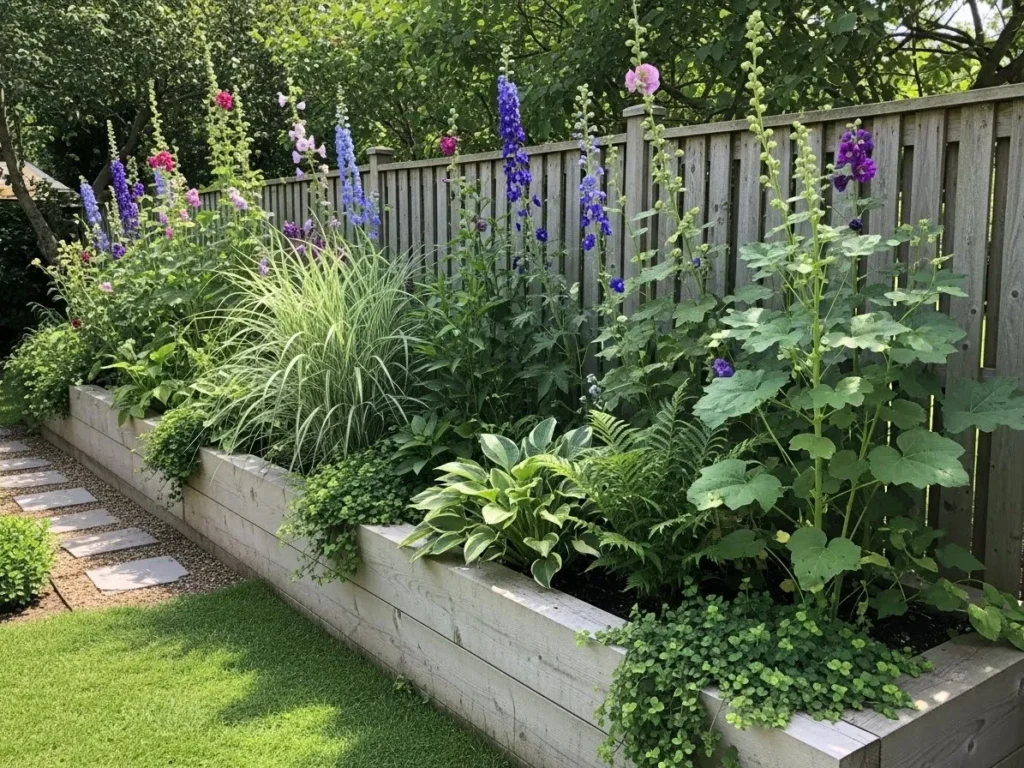
Accessibility is often overlooked in garden design. Raised beds along a fence can be built at heights that reduce bending and strain. I have helped many people continue gardening comfortably by adjusting bed height and placement.
Fence-line beds are naturally easy to reach from one side, making them ideal for gardeners with limited mobility. This thoughtful design choice can make gardening more enjoyable and sustainable over the long term.
Raised Beds for Organized Crop Rotation
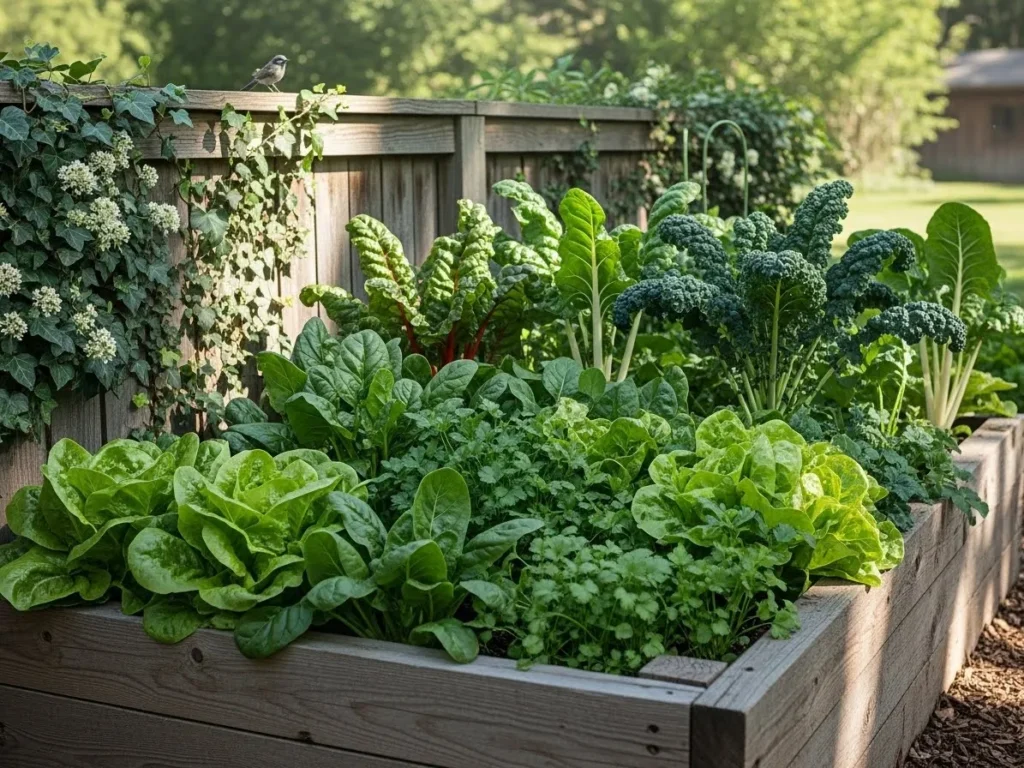
Keeping crops organized is easier when beds are clearly defined. Fence-line raised beds provide a natural layout that supports rotation and planning. Over the years, I have found this approach leads to healthier soil and fewer pest problems.
By rotating crops within these beds each season, you maintain soil balance and reduce disease pressure. The fence provides a visual guide that helps keep planting plans consistent year after year.
Raised Beds That Support Companion Planting
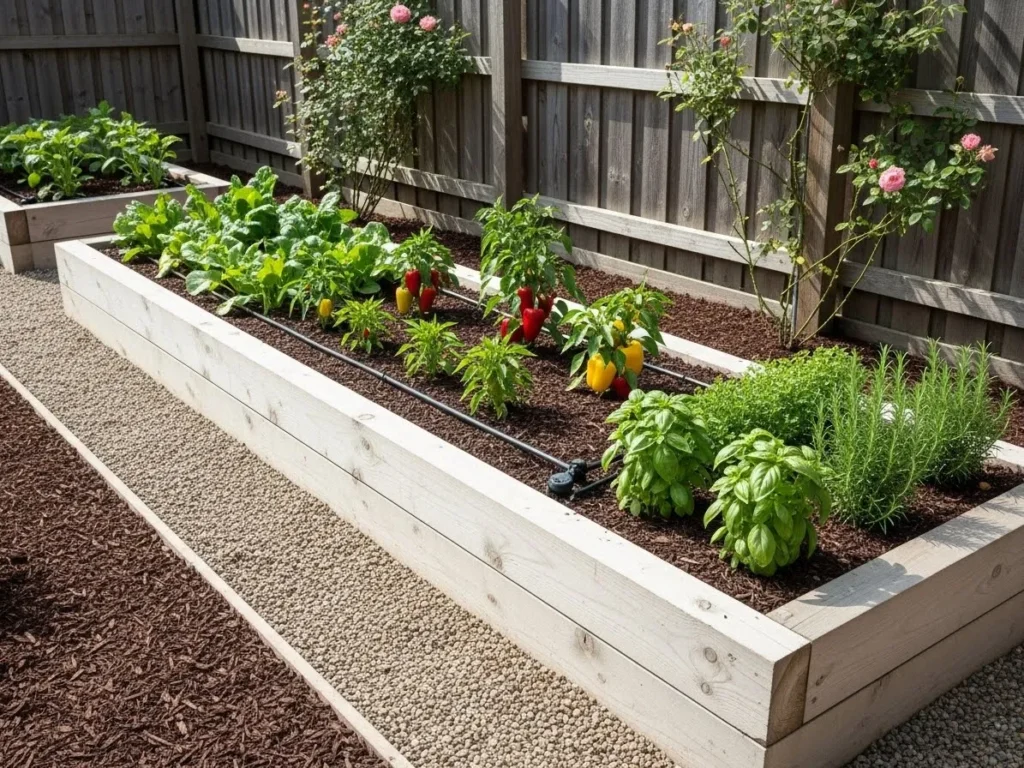
Companion planting works best when plants are placed intentionally. Raised beds along a fence allow you to control spacing and placement more precisely than ground planting. This improves plant health and overall productivity.
In my experience, this controlled environment leads to fewer pests and better growth, especially when combined with vertical support from the fence.
Raised Beds That Grow with Your Garden
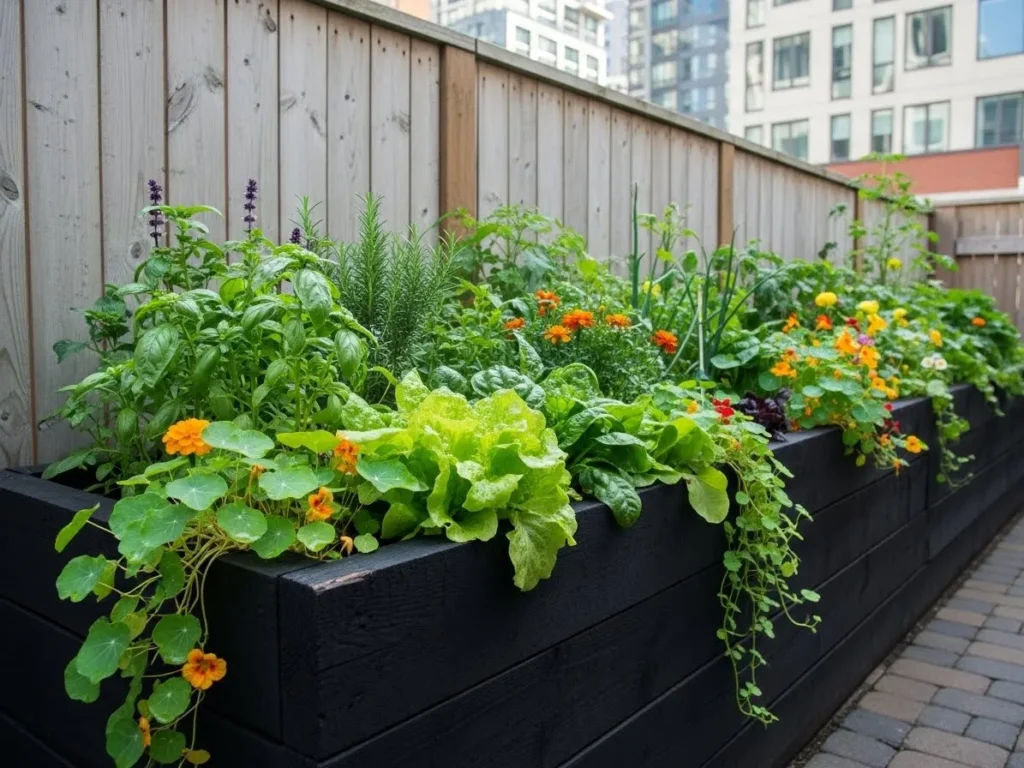
One of the best things about raised beds is flexibility. Fence-line beds can be extended, divided, or modified as your needs change. I have seen many gardens evolve over time without needing a complete redesign.
This adaptability makes raised beds a smart long-term investment for homeowners who want a garden that grows with them.