
#1.Modern Minimal Layouts That Keep the Room Open
A compact living room benefits greatly from a minimal layout. In 2026, modern design strongly favors breathing space. Instead of filling corners with extra chairs or accessories, the focus is on allowing the room to flow naturally. When furniture is placed with intention, even a small room feels balanced and open.
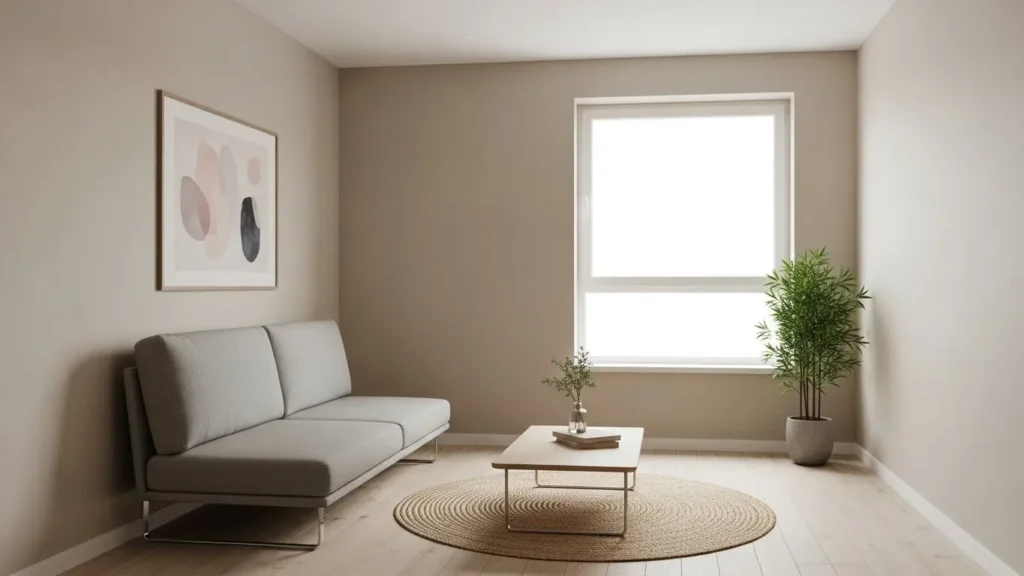
Sofas are positioned closer to the wall without blocking walkways. Coffee tables are slim or replaced with nesting styles that can be tucked away. The room feels visually lighter because there are fewer interruptions in the walking paths. This approach does not make the room feel empty. It makes it feel calm and usable.
Minimal layouts also help daily routines. Cleaning becomes easier. Movement feels smoother. Guests feel comfortable instead of boxed in. This is one of the most effective strategies for compact spaces in modern homes.
#2.Low-Profile Furniture for a Bigger Visual Impact
Low-profile furniture has become essential for compact living rooms in 2026. Sofas and chairs with lower backs allow more wall and air space to remain visible, instantly making the room feel taller and wider. This simple design trick works beautifully in apartments with lower ceilings.
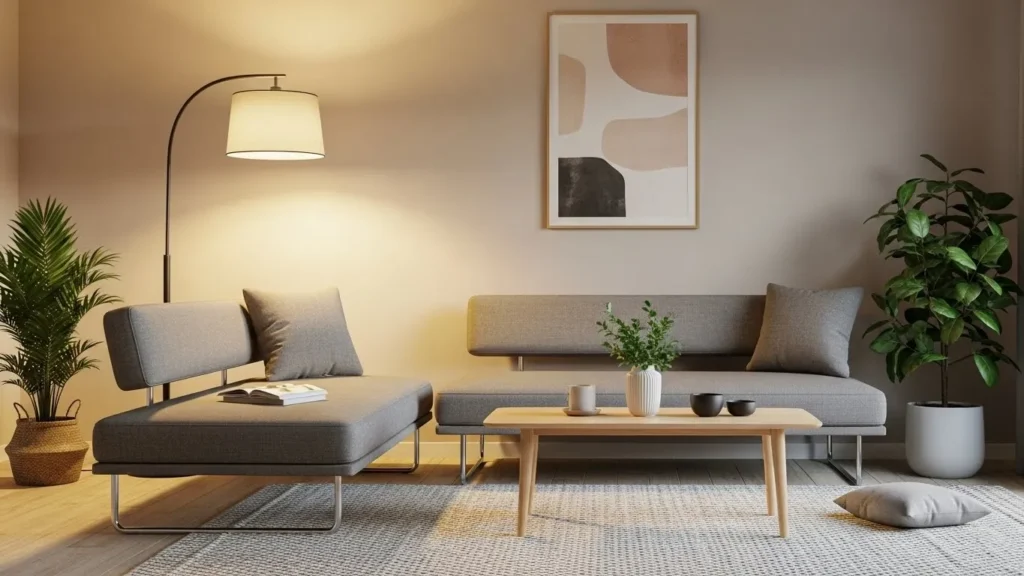
Low-profile seating also creates a modern vibe that feels relaxed rather than formal. It invites people to sit, talk, and unwind. The room appears less bulky because the furniture does not overpower it.
When paired with slim legs and lighter upholstery, these pieces almost float visually. This is one of those ideas that designers rely on repeatedly because it works quietly without shouting for attention.
#3.Neutral Color Palettes That Make Small Rooms Feel Calm
In compact living rooms, color selection can either open the space or shrink it. For 2026, modern interiors lean heavily toward warm neutrals. Soft beige, light gray, clay tones, and off-white shades dominate because they reflect light gently without feeling cold.

Neutral walls create a continuous backdrop. This reduces visual clutter and allows the furniture to blend instead of compete. A neutral palette also supports flexibility. You can update accessories, pillows, or art later without needing a full redesign.
Years of experience show that neutral rooms age better. They feel comfortable longer, photograph beautifully, and work across seasons. In a small living room, neutral tones reduce stress and make the space feel intentional rather than busy.
#4.Smart Sectional Sofas Designed for Small Rooms
Sectional sofas are often misunderstood in compact spaces, but modern designs have changed that completely. In 2026, compact sectionals are designed with shallow seats, slim arms, and modular sections that adapt easily to the room shape.
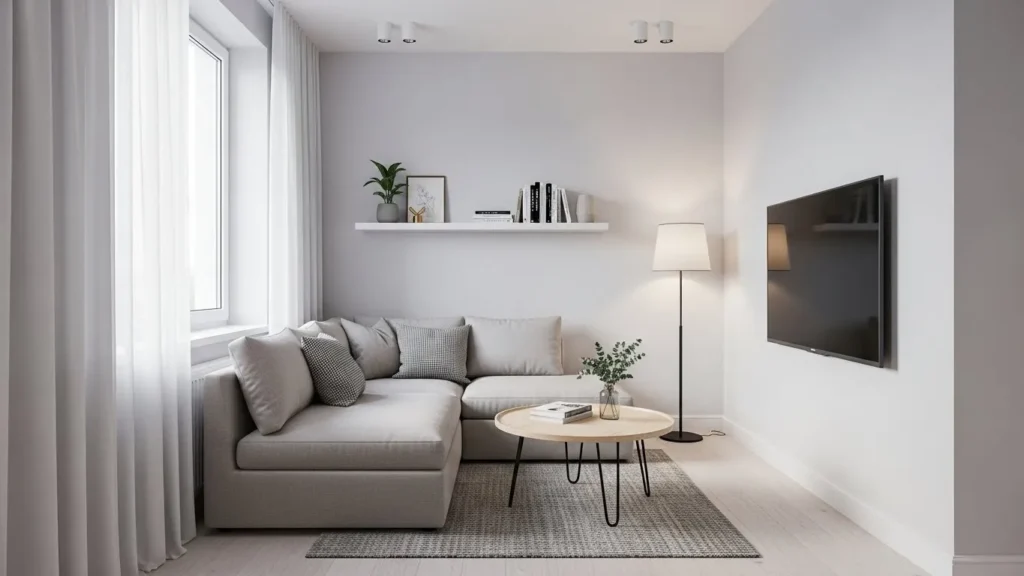
A well-chosen sectional can replace multiple pieces of furniture. It defines the seating area clearly while offering enough room for family and guests. When placed against two walls, it maximizes corners that would otherwise be wasted.
From professional experience, the key is choosing the right scale. Oversized sectionals will overwhelm the room, but compact versions bring structure and comfort together seamlessly.
#5.Built-In Storage That Disappears into the Design
Storage is non-negotiable in a compact living room, but visible clutter quickly ruins the space. Modern design in 2026 favors built-in storage that blends into the architecture. Wall units, floating cabinets, and recessed shelves keep items organized without stealing floor space.
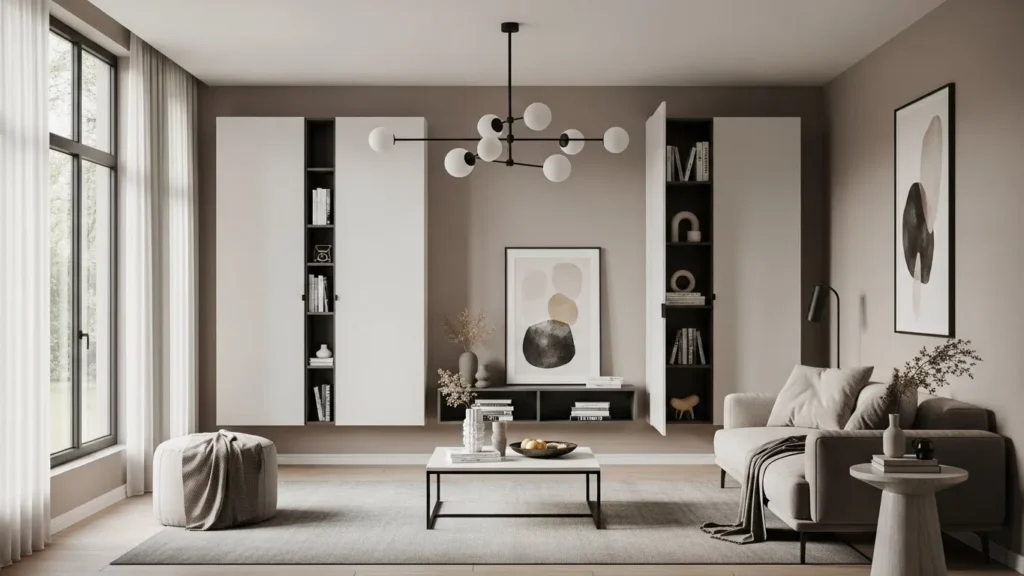
Built-ins provide a clean visual line from one wall to another. When finished in the same color as the walls, they almost disappear. This makes the room feel larger and more polished.
In real homes, this approach dramatically improves how the space functions. Everything has a place, yet nothing feels forced or bulky.
#6.Floating Shelves That Add Style Without Weight
Floating shelves are still one of the smartest solutions for compact living rooms. The modern versions used in 2026 are thin, understated, and thoughtfully styled. They hold books, decor, or plants without closing in the room visually.
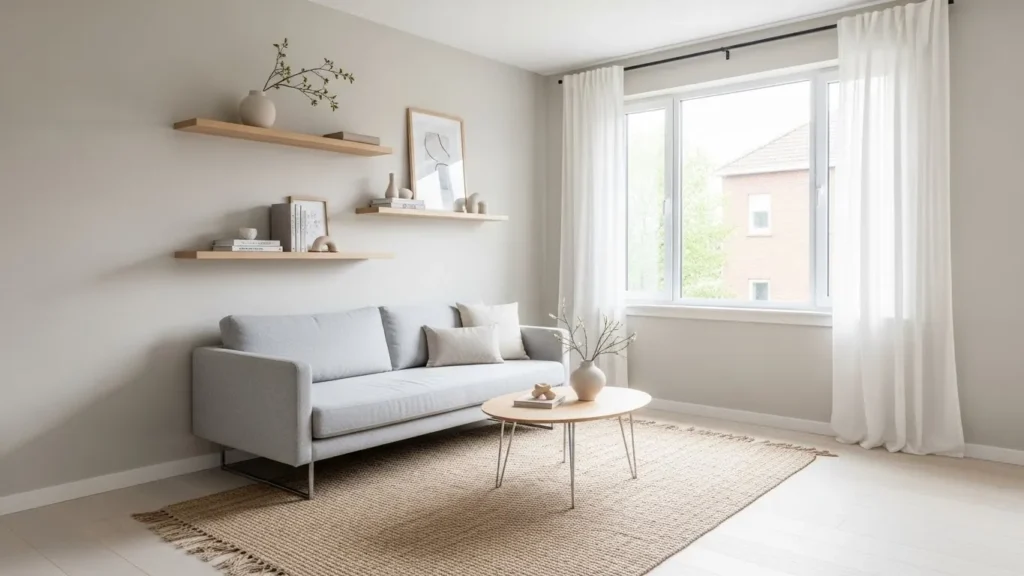
Mounted higher on the wall, floating shelves draw the eye upward. This makes ceilings appear taller. When used sparingly, they add personality without overwhelming the space.
Experienced designers recommend limiting shelf depth so items never feel like they are protruding into the room. This keeps the living area relaxed and uncluttered.
#7.Light Wood Finishes for Warmth and Openness
Wood remains a favorite material in modern interiors, and in compact living rooms, lighter wood finishes work best. Oak, maple, and ash tones add warmth while keeping the room bright.
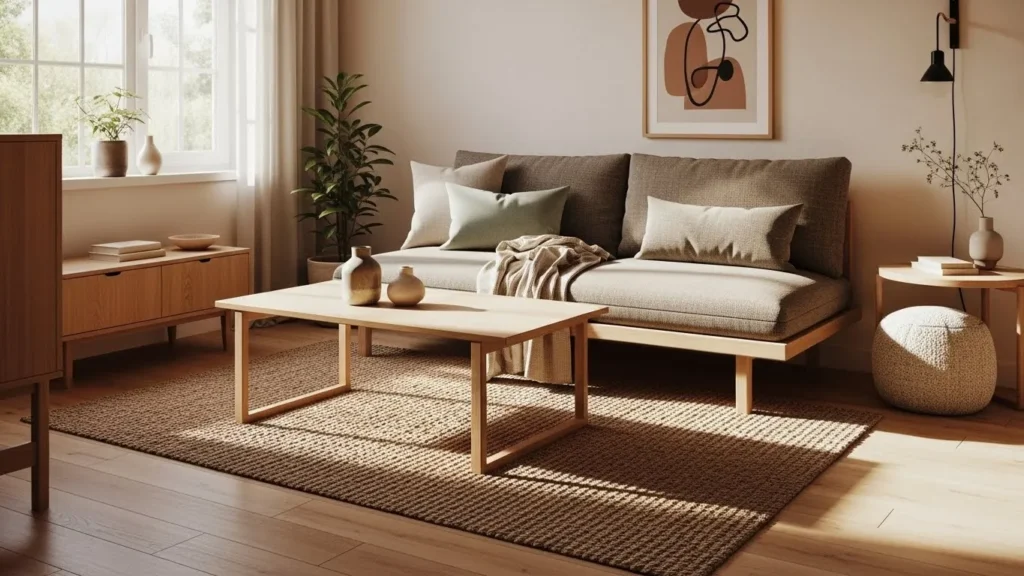
Light wood floors or furniture reflect natural light instead of absorbing it. This helps smaller rooms feel fresh and open throughout the day. In contrast, heavy dark wood can make compact spaces feel boxed in.
Over the years, light wood has proven to be timeless. It adapts easily to changing trends, making it a smart long-term choice.
#8.Glass and Acrylic Furniture for an Airy Look
Transparency plays a powerful role in small rooms. Glass and acrylic furniture reduce visual weight. Coffee tables, side tables, and even console units made from clear materials allow the floor and walls to remain visible.

The room feels less crowded because the eye moves freely through the space. This is especially helpful in very tight living areas where every inch counts.
Modern glass furniture in 2026 is stronger and safer than ever, making it practical as well as beautiful.
#9.Layered Lighting That Creates Depth and Comfort
Lighting transforms compact living rooms more than any other element. A single ceiling light is never enough. Modern homes rely on layered lighting to create depth, mood, and flexibility.
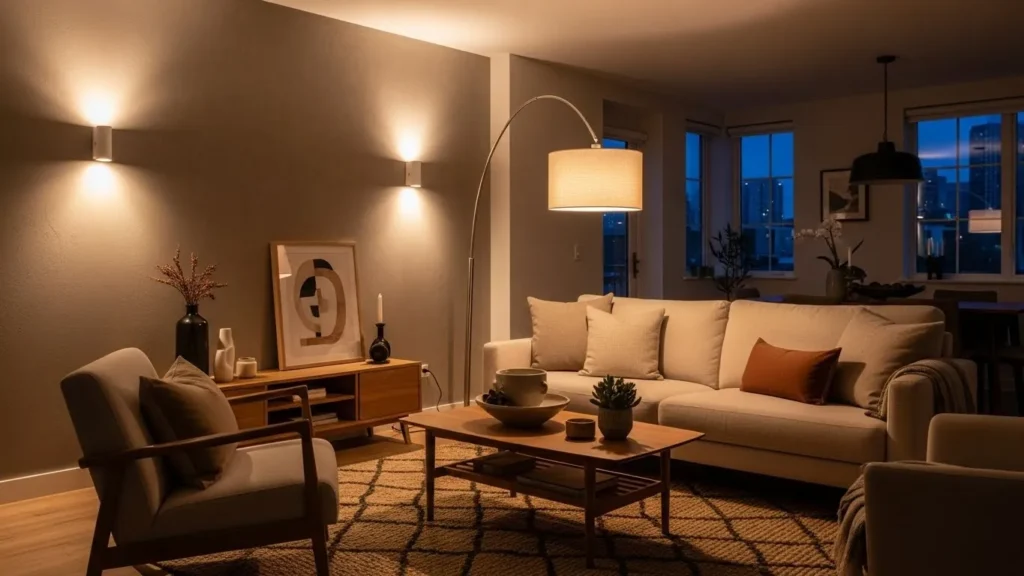
Wall sconces free up floor space while providing soft illumination. Table lamps add warmth in the evening. Floor lamps with slim bases fit easily into corners without dominating them.
From long-term experience, proper lighting makes even the smallest living room feel welcoming and luxurious.
#10.Mirrors That Expand the Room Visually
Mirrors remain one of the most effective tools in compact living room design. When placed strategically, they reflect both light and space. A large mirror across from a window can double the brightness of the room.
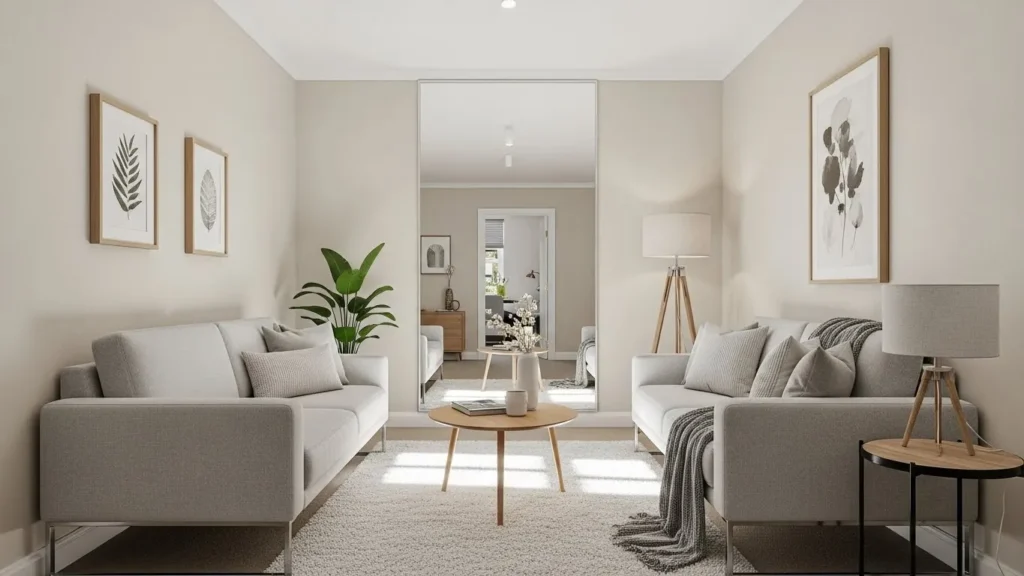
In 2026, mirrors are framed simply or integrated into wall panels. They enhance the space without feeling decorative or flashy.
Designers use mirrors carefully to avoid clutter. One well-placed mirror does more than several small ones.
#11.Rugs That Define the Living Area Without Crowding
A rug can visually anchor a compact living room, but size and placement are crucial. In modern design, rugs are chosen large enough to sit under the front legs of seating.
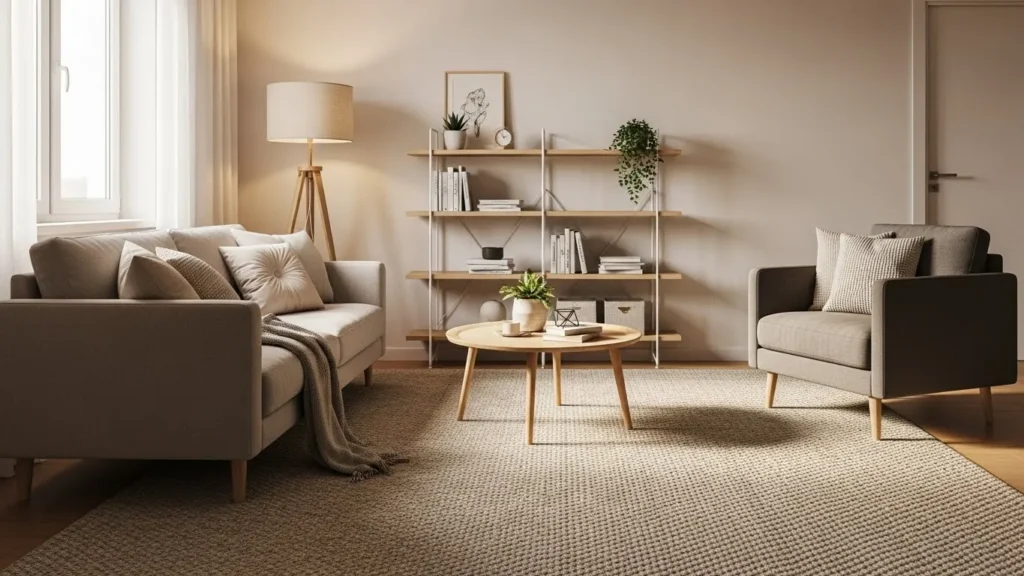
This approach creates a unified zone rather than dividing the room into pieces. Neutral or subtle patterned rugs work best because they add texture without overwhelming the eye.
Years of practical use show that the right rug makes a small living room feel intentional and complete.
#12.Vertical Design That Uses Wall Height Wisely
Compact rooms often have unused vertical space. Modern living rooms in 2026 take advantage of wall height through tall shelving, slim cabinets, and elongated artwork.
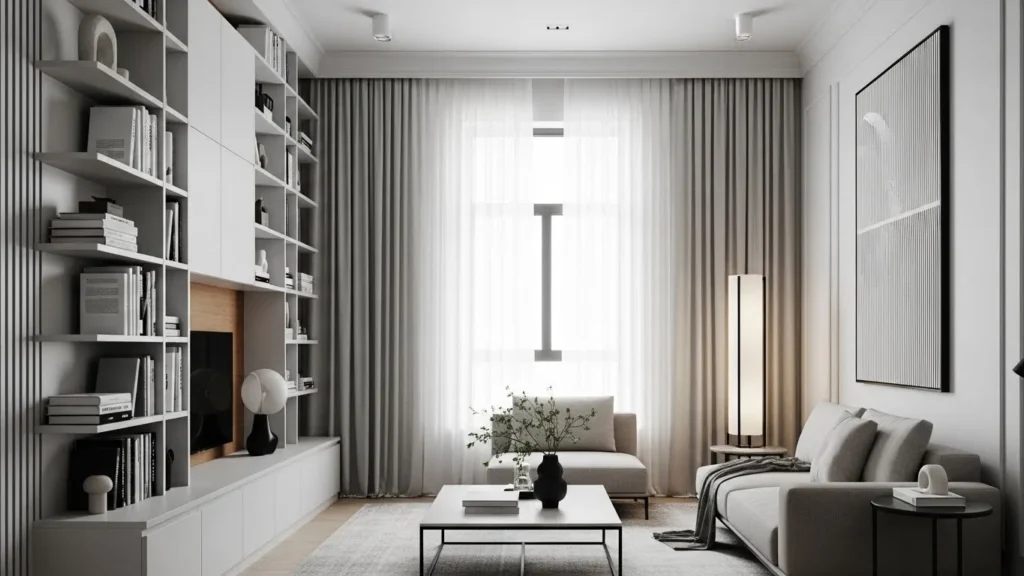
Vertical elements draw attention upward, reducing the feeling of tightness. Tall curtains installed close to the ceiling visually stretch the room’s proportions.
This strategy works especially well in apartments where floor space is limited but ceiling height is decent.
#13.Soft Textiles That Add Comfort Without Bulk
Comfort matters just as much as looks. In compact living rooms, soft textiles like light curtains, cushions, and throws add warmth without taking space.
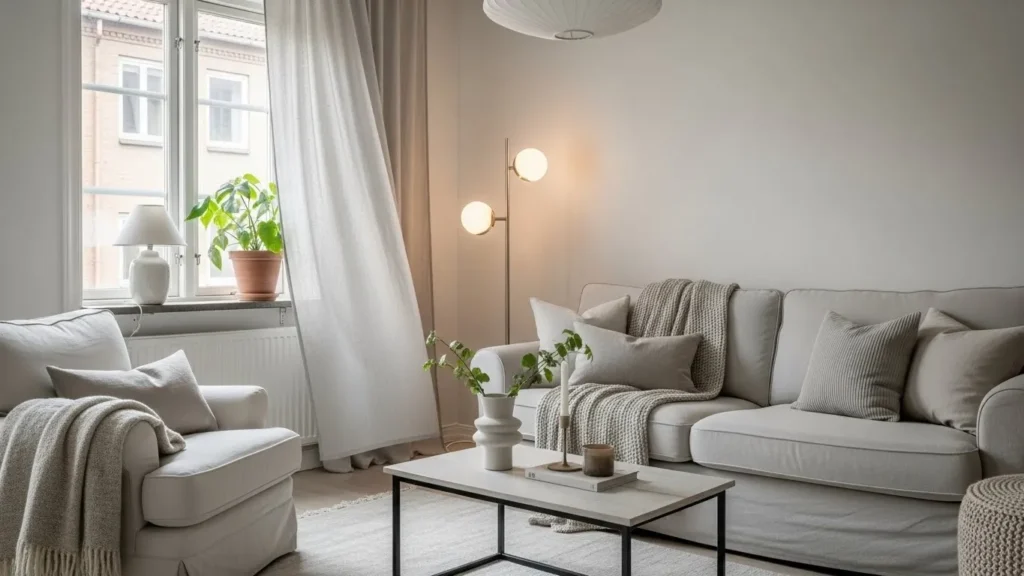
Modern textiles are thinner and more breathable than older styles. They layer well without appearing heavy. Neutral textures such as linen and cotton blends are especially popular in 2026.
These materials make the room feel lived-in rather than staged.
#14.Multifunctional Furniture That Works Harder
In smaller living rooms, furniture must serve more than one purpose. Coffee tables with hidden storage, ottomans that act as seating, and benches that double as consoles are essential.
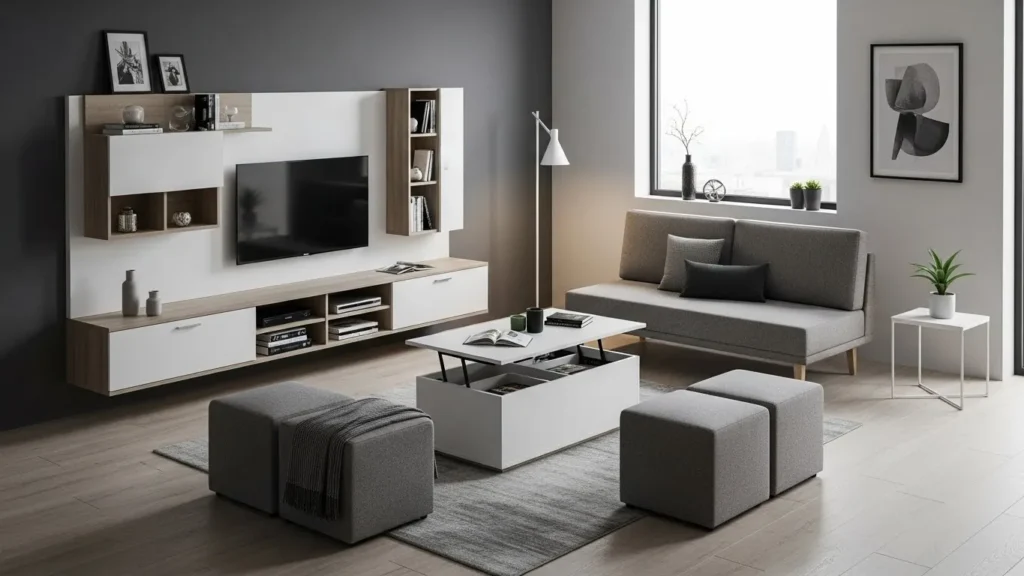
Modern multifunctional furniture is designed to look intentional, not temporary. High-quality finishes ensure that practicality does not compromise aesthetics.
From years of designing small homes, these pieces often make the biggest everyday difference.
#15.Open Sightlines That Keep the Room Flowing
A compact living room benefits from unobstructed sightlines. Arranging furniture so the eye can travel easily from one end of the room to the other prevents the space from feeling cramped.
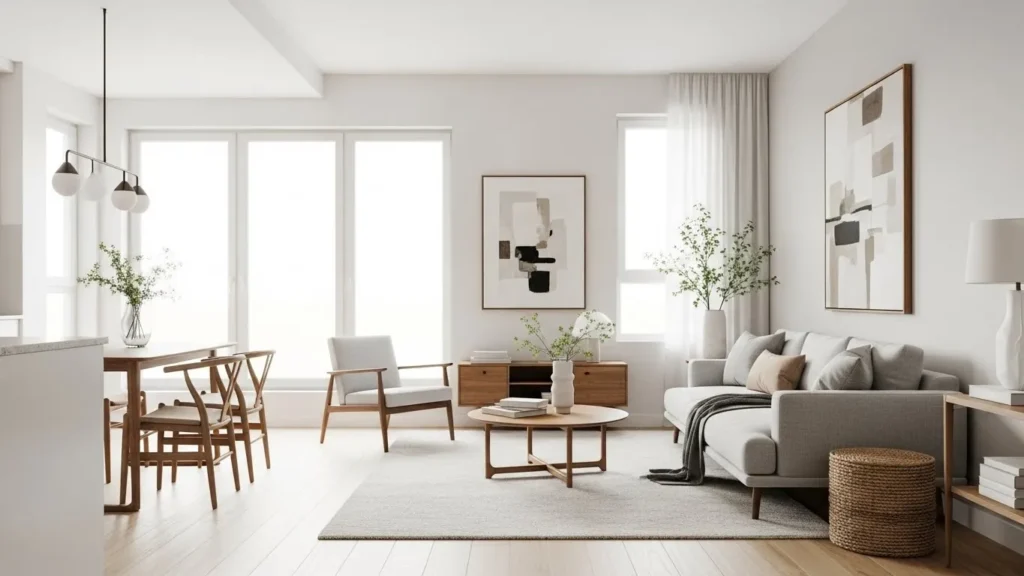
Avoid blocking windows or doorways with tall furniture. Keep pathways clear and balance visual weight evenly.
This approach improves both comfort and movement, making the room more enjoyable to live in.
#16.Accent Walls That Add Interest Without Shrinking Space
Accent walls still work well in compact living rooms when done right. In 2026, texture is favored over bold color. Wood slats, subtle wallpaper, or plaster finishes add depth without overpowering the room.
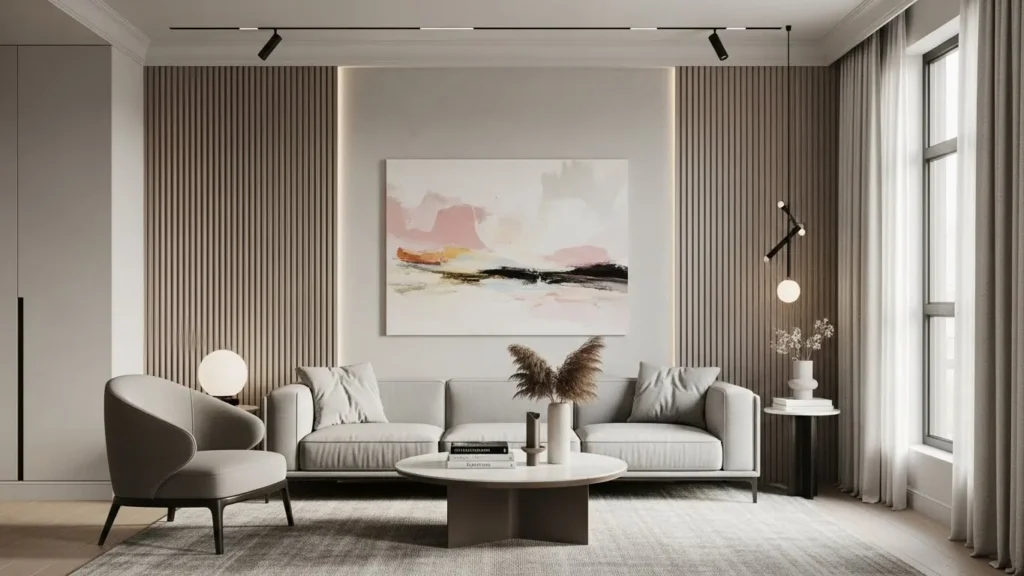
Using one feature wall creates focus and personality while keeping the rest of the space calm and cohesive.
Years of use show that textured accents age better than loud colors.
#17.Seamless Technology Integration
Modern living rooms must support technology, even in small spaces. In 2026, TVs are wall-mounted, cables are hidden, and speakers are built into furniture or ceilings.
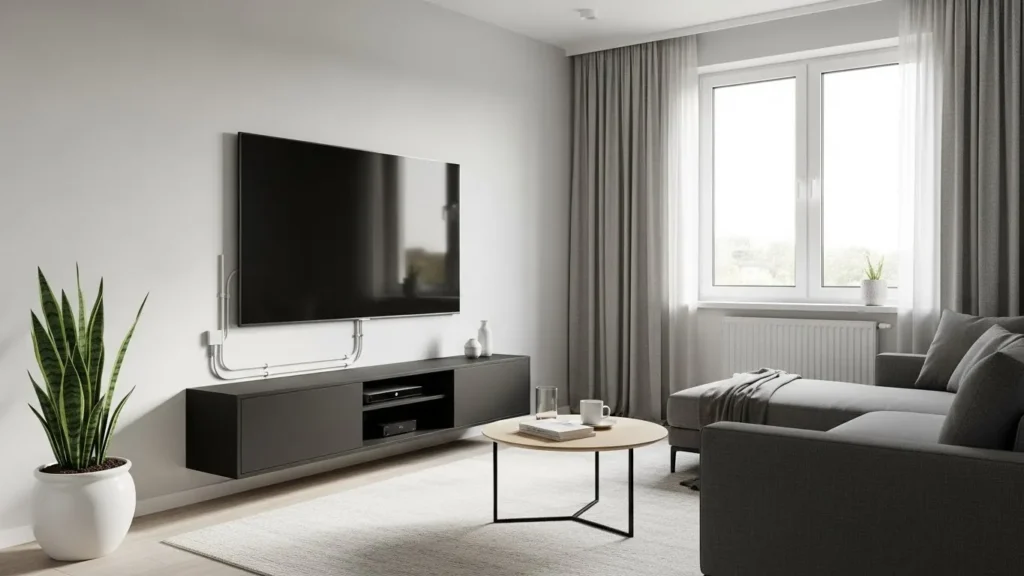
This creates a clean look without sacrificing entertainment. Technology becomes part of the design rather than an afterthought.
Experienced designers prioritize simplicity to avoid visual clutter.
#18.Indoor Plants That Bring Life Without Taking Space
Plants add freshness to compact living rooms, but size matters. Tall slim plants or wall-mounted planters work best.
In 2026, natural elements are essential for wellbeing. A small living room feels calmer and more inviting with greenery that does not crowd the floor.

This balance enhances the space both visually and emotionally.
#19.Cohesive Color Flow With Adjacent Spaces
Compact living rooms often connect directly to kitchens or dining areas. Using a unified color palette across spaces creates visual continuity.
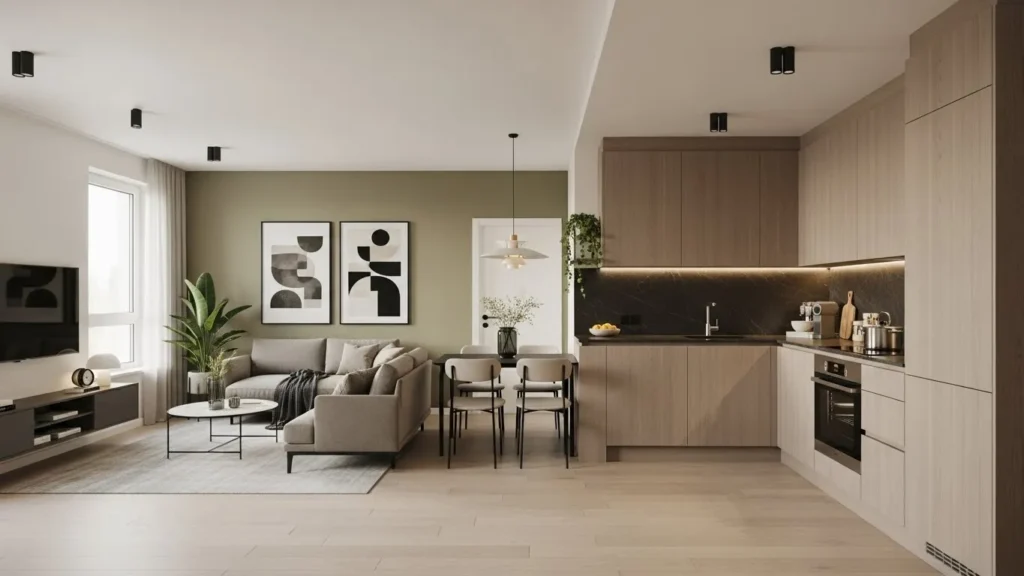
This approach prevents the room from feeling boxed in. The eye moves naturally between areas, making the entire home feel larger.
Consistency has proven over time to be one of the most effective spatial strategies.
#20.Subtle Patterns That Add Depth Without Chaos
Patterns can work in small rooms when they are subtle. Thin stripes, soft geometric textures, or tonal designs add interest while remaining calm.
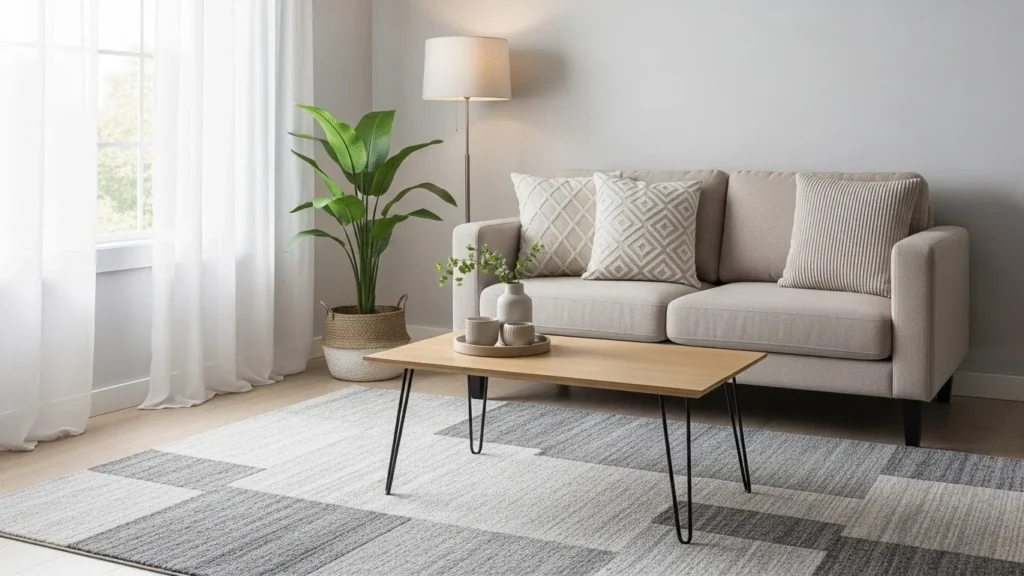
Modern interiors in 2026 avoid heavy prints in compact spaces. The goal is harmony, not contrast overload.
The right pattern quietly enhances the room without demanding attention.
#21.Personalized Decor That Keeps the Space Authentic
A living room should reflect the people who live there. In compact spaces, personalization must be thoughtful. A few meaningful art pieces or personal items create warmth without clutter.

Modern design encourages restraint. Quality matters more than quantity.
After decades in interior design, the most successful small living rooms always feel personal and lived-in.
#22.Balanced Proportions That Make Everything Feel Right
The final key to a successful compact living room is proportion. Furniture, lighting, decor, and spacing must work together.
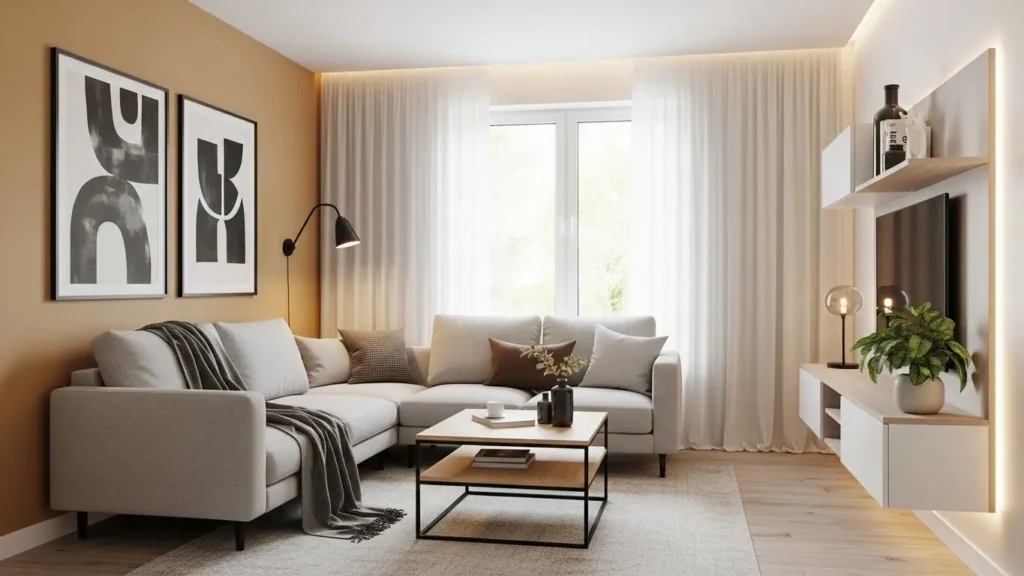
When every element feels balanced, the room feels natural rather than designed. This is the mark of true experience-driven design.
In 2026, compact living rooms are not about compromise. They are about clarity, comfort, and smart choices.