
1. A Simple Gravel Patio with a Clean Border for a Modern, Polished Look
A basic gravel patio becomes a refined outdoor space when you define the edges clearly. After many years working on both high-end and budget projects, I can say that the border is what makes or breaks a gravel patio. A clean frame helps the patio look deliberate instead of temporary. You can create this border with metal edging, pressure-treated wood, bricks, or even large stones. The goal is to create a crisp outline that keeps the gravel in place and supports the overall design of your yard. Even the simplest patio can look like a professional build when the edges are straight and neatly contained.

This type of patio works well for those who want a modern, uncluttered outdoor space. You don’t need complex shapes or expensive materials; the strength of the design comes from its simplicity. Once the gravel is compacted and the border is installed, the area becomes easy to maintain and comfortable to use for seating or lounging. Furniture sits level, the space drains easily, and the clean lines make the entire yard look organized. It’s a perfect option if you’re working with a tight budget but still want a finished, stylish look.
2. A Cozy Fire Pit Patio with Warm Lighting and Textured Gravel
Few things create a welcoming atmosphere like a fire pit paired with a gravel patio. Gravel is one of the safest and most practical materials around fire because it doesn’t scorch or crack like concrete can. Whether you prefer a portable fire bowl, a built-in fire ring, or a steel fire pit, gravel gives you a naturally fire-resistant base that also feels casual and relaxing. Many homeowners choose pea gravel for fire pit areas because it feels softer underfoot and spreads evenly. When you combine this with a well-placed seating arrangement, you get a space that naturally encourages conversation and comfort.
To enhance the warmth of the fire, integrate soft outdoor lighting around the patio. Lanterns, solar path lights, string lights, or low-voltage landscape lights make the area feel magical as soon as the sun goes down. The combination of flickering fire and textured gravel creates a calm mood that works well for family gatherings or quiet nights at home. Over the years, I’ve noticed that homeowners who add lighting around a fire pit patio tend to use their outdoor space far more often. The glow makes the yard feel inviting even during cooler seasons.
3. A Gravel Dining Patio That Feels Like an Outdoor Room
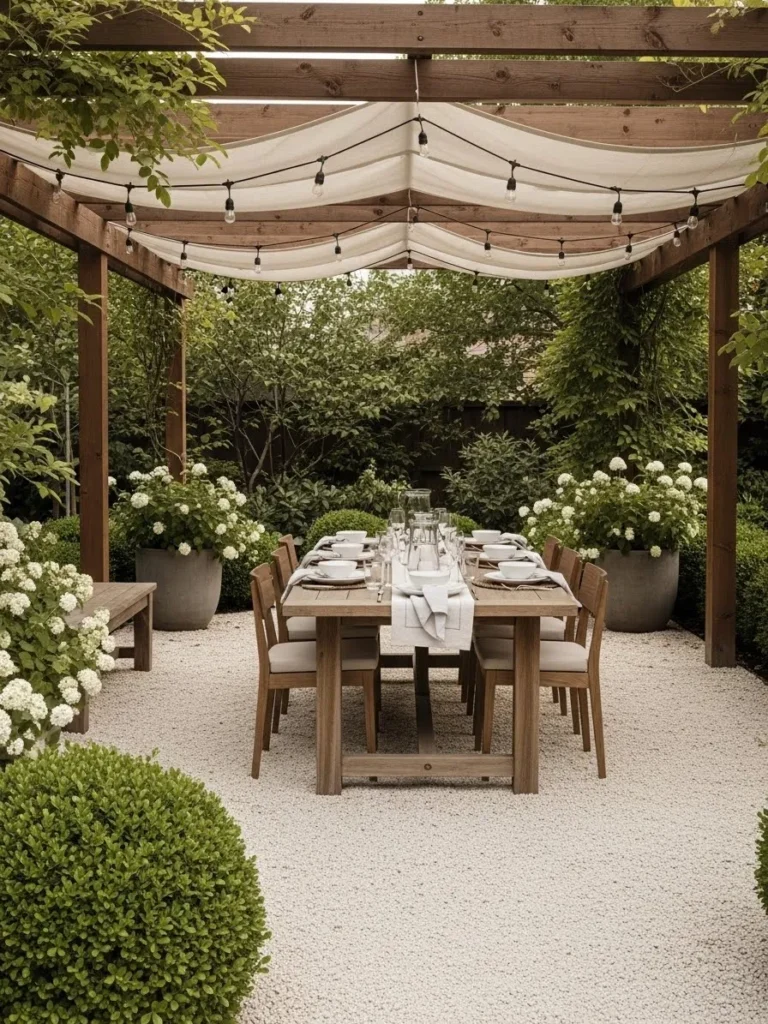
A gravel patio designed specifically for dining can become one of the most enjoyable spaces in your home. With the right layout, it feels like an outdoor extension of your kitchen or living room. Gravel works especially well here because it stays cool, drains well, and creates a level base for tables and chairs. If you set up your dining patio near a shade feature—such as a pergola, awning, umbrella, or even a vine-covered arch—you create a natural outdoor room that feels usable throughout the year. Adding small touches like outdoor cushions, potted plants, and a warm string light canopy can make dinners feel intimate and relaxed.
The key to a great dining patio is thoughtful placement. Choose a spot that is close enough to your indoor kitchen to make serving food easy, but still far enough away to feel like a separate experience. Over my years in landscape design, I’ve noticed that a dining patio placed slightly off to the side of the yard feels more private and intentional. You can also elevate the look by using a slightly larger gravel size under the dining table to keep the chairs from sinking and to maintain stability. This kind of practical design detail improves comfort and helps the patio last longer.
4. A Gravel and Paver Combo Patio for a High-End Look on a Low Budget
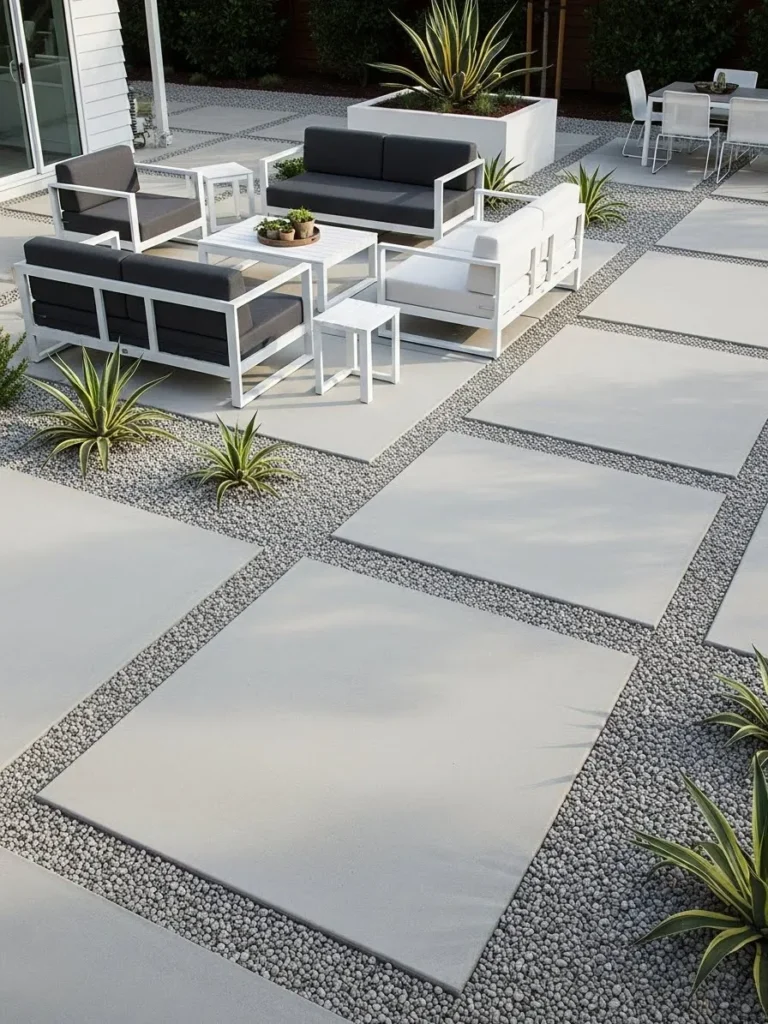
One of the best ways to stretch your budget while still achieving a stylish outdoor space is to combine gravel with pavers. Pavers are excellent for high-traffic zones like seating or dining areas, while gravel can fill in the surrounding spaces at a much lower cost. By blending the two materials, you create a patio that looks expensive without the heavy price tag. This approach also allows for creativity. You can design geometric paths, create distinct zones for lounging or cooking, or frame the pavers with gravel for added texture.
This mixed-material design also has practical advantages. Gravel offers excellent drainage and flexibility, while pavers provide a stable surface where you need firmness. Homeowners appreciate this style because it gives the patio a designer feel without requiring advanced installation skills. Even beginners can complete a gravel-and-paver patio over a weekend with the right preparation. If your home has a modern, boho, or rustic look, this combination can blend seamlessly with your overall style by adjusting the colors and shapes of the materials. It’s one of the most cost-effective ways to create an outdoor space that feels professionally designed.
5. A Rustic or Cottage-Style Gravel Patio Surrounded by Greenery
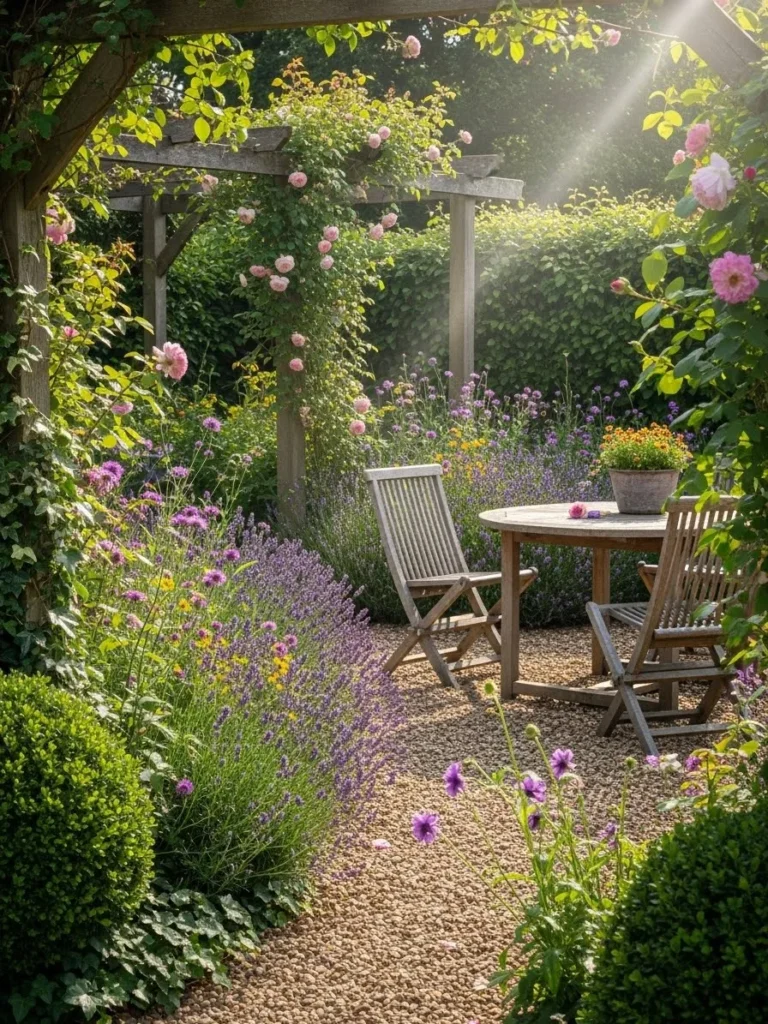
For homeowners who love a natural, lived-in look, a rustic gravel patio surrounded by plants is a timeless choice. Gravel works beautifully in cottage gardens, wildflower landscapes, or rustic outdoor settings because it blends effortlessly with nature. Instead of aiming for perfect lines and rigid shapes, this style embraces soft edges, curved pathways, and lush borders filled with shrubs, flowers, or climbing plants. The gravel creates a quiet, grounding base that allows the plants to become the main visual element.
This type of patio is especially appealing for people who enjoy gardening or spending time outdoors. Surrounding the space with lavender, rosemary, hydrangeas, ornamental grasses, or seasonal flowers transforms even a small patio into a charming retreat. Over the years, I’ve seen homeowners fall in love with this style because it offers both beauty and relaxation. You can sit down with a cup of tea, listen to the wind move through the plants, and feel like you’re in a garden sanctuary. Gravel is also easy to refresh, so the patio stays attractive with minimal maintenance.
6. A Gravel Lounge Patio with Outdoor Sofas, Pillows, and Shade Features
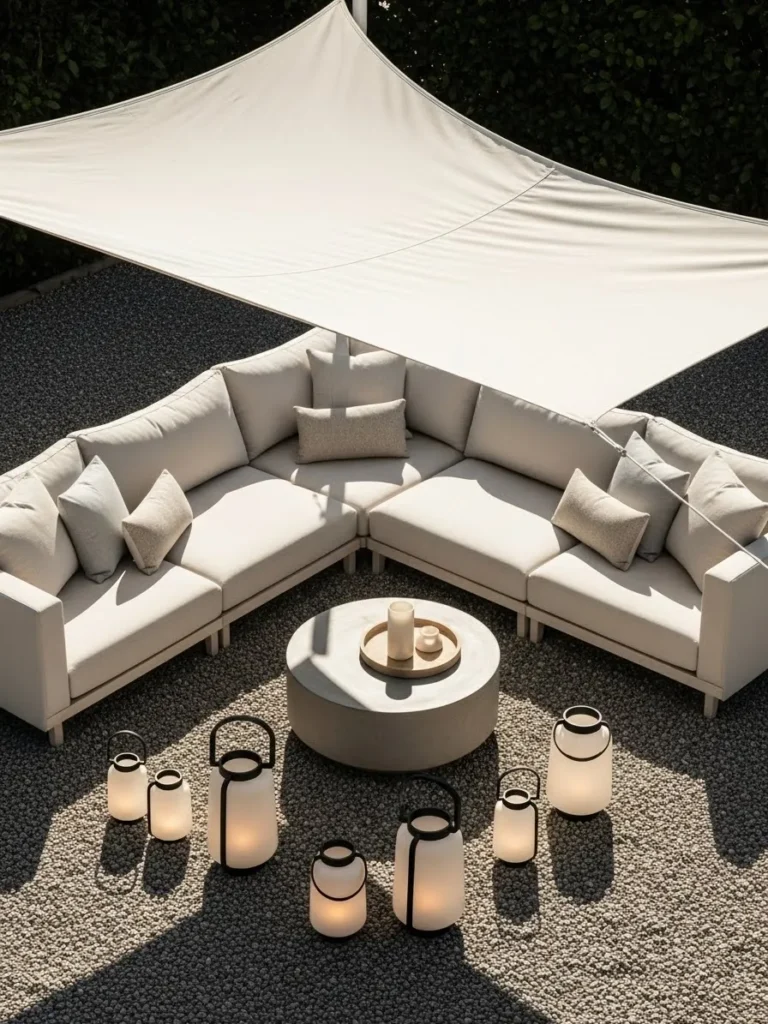
If your goal is comfort, a gravel lounge patio provides the perfect backdrop for outdoor relaxation. Modern patio furniture—especially outdoor sofas, sectional seating, and deep cushioned chairs—looks incredibly stylish on a gravel surface. The contrast between soft fabrics and textured gravel creates a cozy atmosphere that feels like a living room under the sky. The key to making this type of patio work is investing in stable furniture with wide, flat legs so nothing sinks into the gravel. A thicker layer of compacted gravel helps keep everything in place.
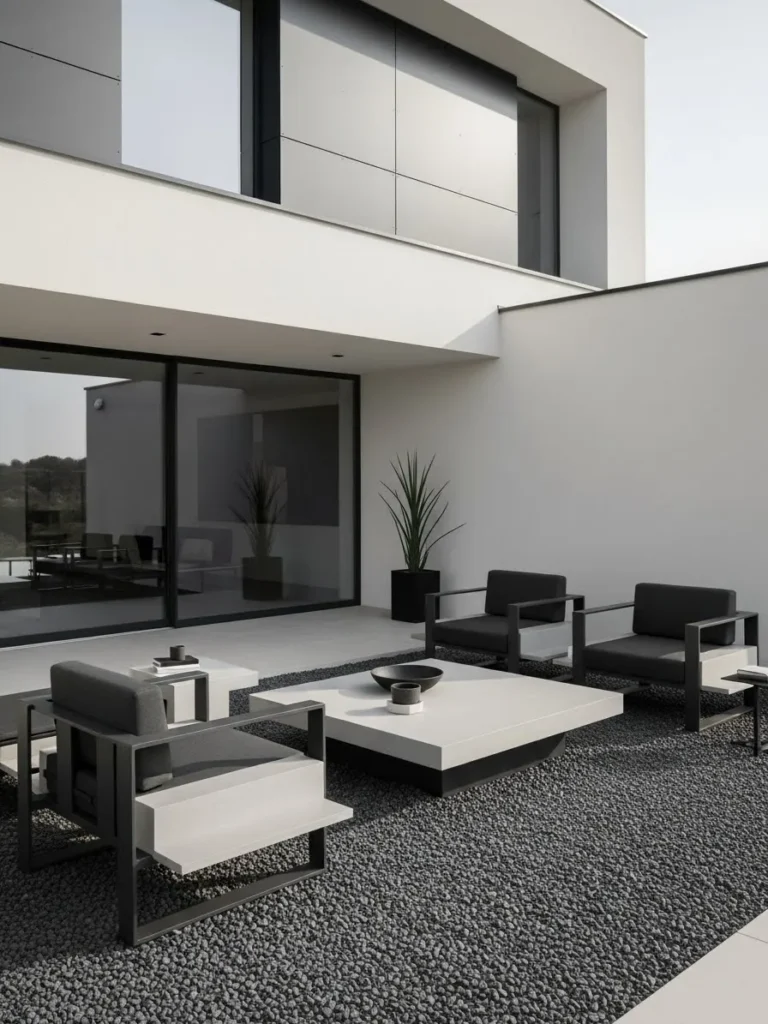
Adding shade is essential for a lounge patio. Whether you use a pergola, fabric canopy, large umbrella, or a shade sail, covering part of the space makes it enjoyable throughout the day. Shade also protects furniture fabrics from sun fading. Over the years, lounge patios have become one of the most requested backyard upgrades because they turn unused spaces into full-time relaxation zones. When combined with soft outdoor rugs, throw pillows, lanterns, and comfortable seating, the patio feels luxurious even though the foundation itself is budget-friendly.
7. A Minimalist Gravel Patio for Clean, Modern Homes
If your home leans toward modern design, a minimalist gravel patio might be the perfect fit. Minimalist outdoor spaces focus on clean lines, simple materials, and uncluttered layouts. Gravel works beautifully in this setting because of its natural texture and its ability to create an even, uniform surface. Choosing a neutral gravel tone—such as gray, black, or light beige—reinforces the minimalist aesthetic and pairs well with modern architecture. This type of patio tends to rely on a strong shape, like a perfect square or rectangle, to create visual impact.
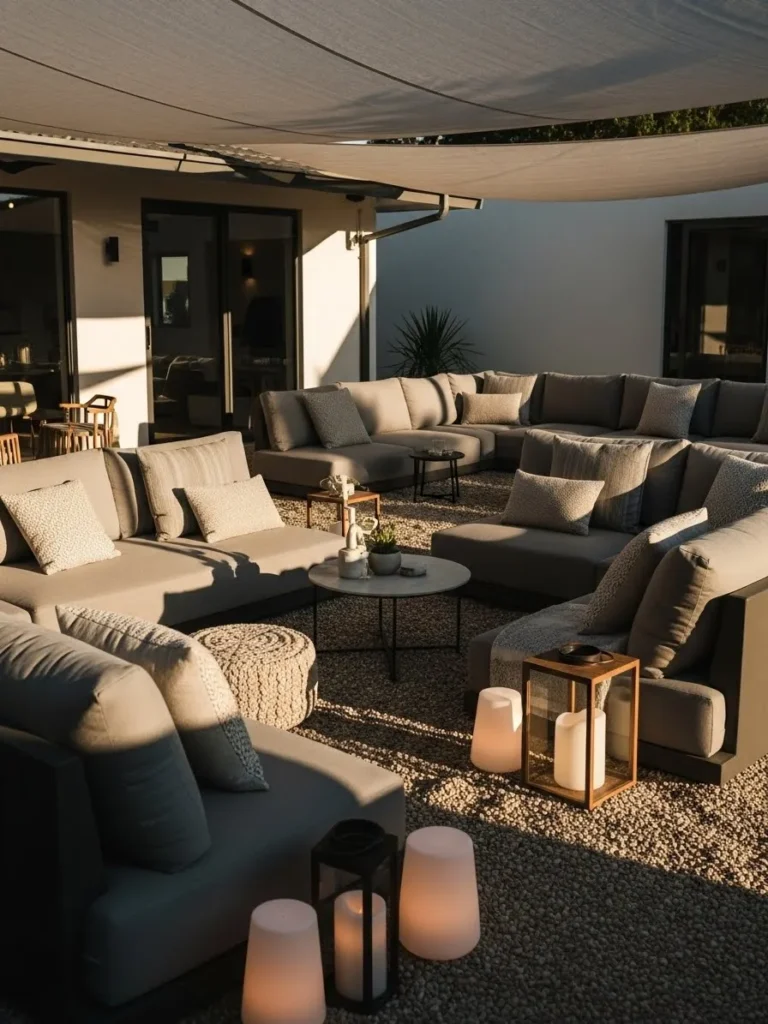
To keep the minimalist look consistent, furniture should be simple and functional, with a limited color palette. Concrete benches, metal-framed chairs, and wooden platforms all complement a gravel base. The appeal of a minimalist patio lies in its calmness. There are no unnecessary decorations or busy patterns. Instead, the space feels balanced, open, and intentional. After years of building outdoor spaces, I’ve found that homeowners who prefer clean and modern interiors often appreciate the peacefulness of a minimalist gravel patio just as much.
8. A Gravel Outdoor Kitchen Patio for Cooking and Entertaining
A gravel patio with an outdoor kitchen is a practical way to create an entertainment hub without overspending. Gravel handles spills, grease, and weather changes far better than concrete or tile, and it stays cooler under direct sunlight. Whether you want a simple grill station or a larger setup with countertops and storage, gravel provides a sturdy foundation without the need for heavy construction. Homeowners often place a small paver or stone layer under the grill for added stability, while keeping the rest of the patio gravel to reduce costs.
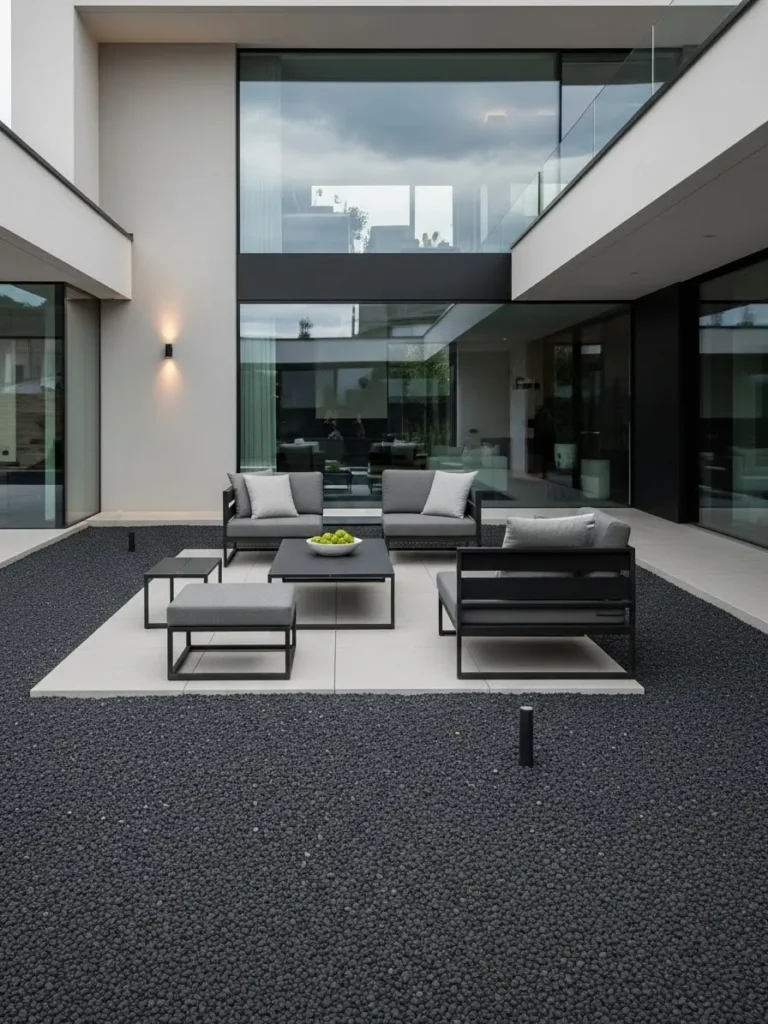
This type of patio works best when combined with good lighting and well-planned seating. Guests can relax nearby while food is being prepared, and the space naturally becomes a favorite gathering spot. Over the years, I’ve seen many families upgrade their outdoor kitchens gradually—adding a prep table one season, a smoker the next, and built-in shelves later on. Gravel makes this type of slow, budget-friendly improvement easy because it’s simple to expand or reshape the patio whenever needed.
9. A Gravel Pathway Patio That Connects Different Zones of the Yard
If your backyard is large or divided into multiple areas, you can use gravel to create a patio that flows naturally into connecting pathways. Instead of one isolated area, the gravel ties the entire outdoor space together. A patio connected to a garden path, fire pit trail, or dining area walkway feels cohesive and intentional. This approach is especially effective for homeowners who want to create a sense of movement and structure in their yard. Gravel pathways are affordable, easy to maintain, and visually pleasing.
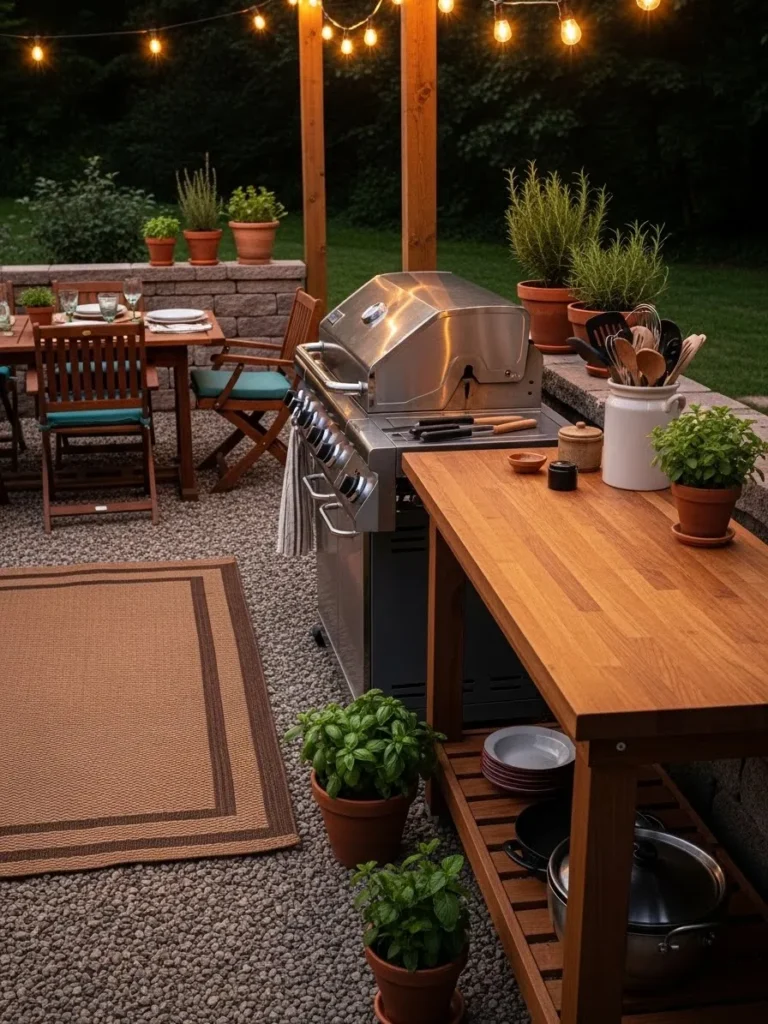
One of the advantages of a connected gravel design is its flexibility. If you ever decide to change the layout of your yard, gravel pathways and patios are simple to adjust compared to poured concrete or fixed stone. Over time, you can add stepping stones, garden beds, or additional seating zones without disrupting the original structure. This type of layout grows with your lifestyle and makes your entire yard feel more accessible and inviting.
10. A Small Gravel Patio That Maximizes Limited Yard Space
Small yards benefit tremendously from gravel patios because they require minimal excavation and adapt easily to tight spaces. Even a tiny corner of the yard can be transformed into a charming outdoor retreat with a thoughtful gravel design. The key is choosing a compact shape—such as a circle, square, or simple rectangle—and keeping the layout uncluttered. Light-colored gravel can make a small patio feel more open, while small furniture pieces prevent the space from feeling cramped.
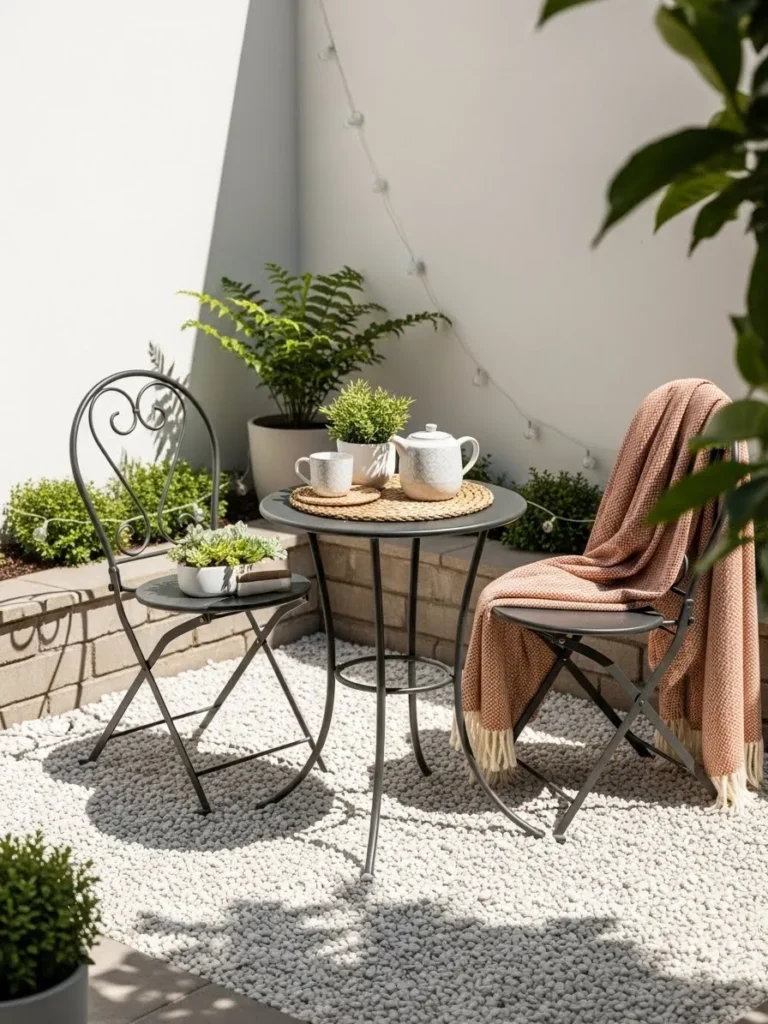
Even though the patio is small, it can still be stylish and inviting. Planters, small lights, and a couple of comfortable chairs are often all you need to create a cozy outdoor escape. Over the years, I’ve watched homeowners turn unused corners, old side yards, and tiny backyard patches into beautiful gravel patios that feel larger than they are. Gravel is especially valuable in small spaces because it adds texture and visual interest without overwhelming the area.