
1. A Narrow Garden Path That Generates Comfort and Curiosity
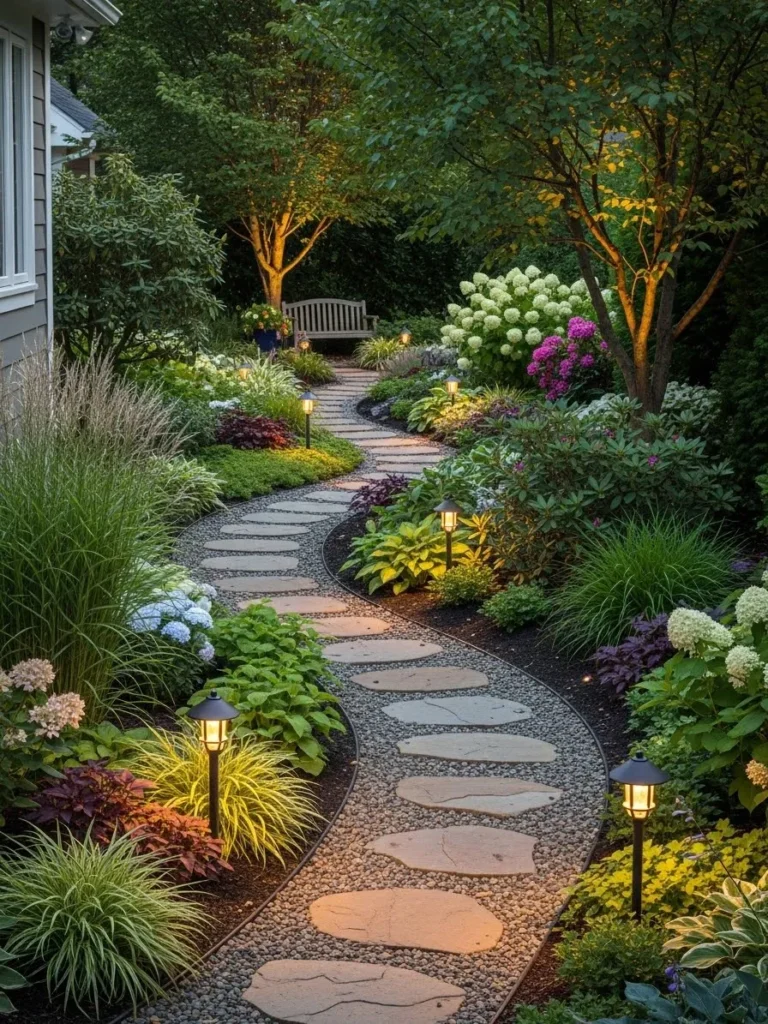
A path is more than a way to get from one side of the property to the other. When designed correctly, it becomes an experience. You can turn a tight passage into a winding walkway lined with low shrubs or flowering perennials. The trick is scale. If the space is narrow, use small plants so the walkway never feels choked. Avoid bulky shrubs that push you inward. Instead, think in terms of ease, clarity, and small color pops. A path that invites a slow walk does something powerful for the mind: it encourages a daily pause.
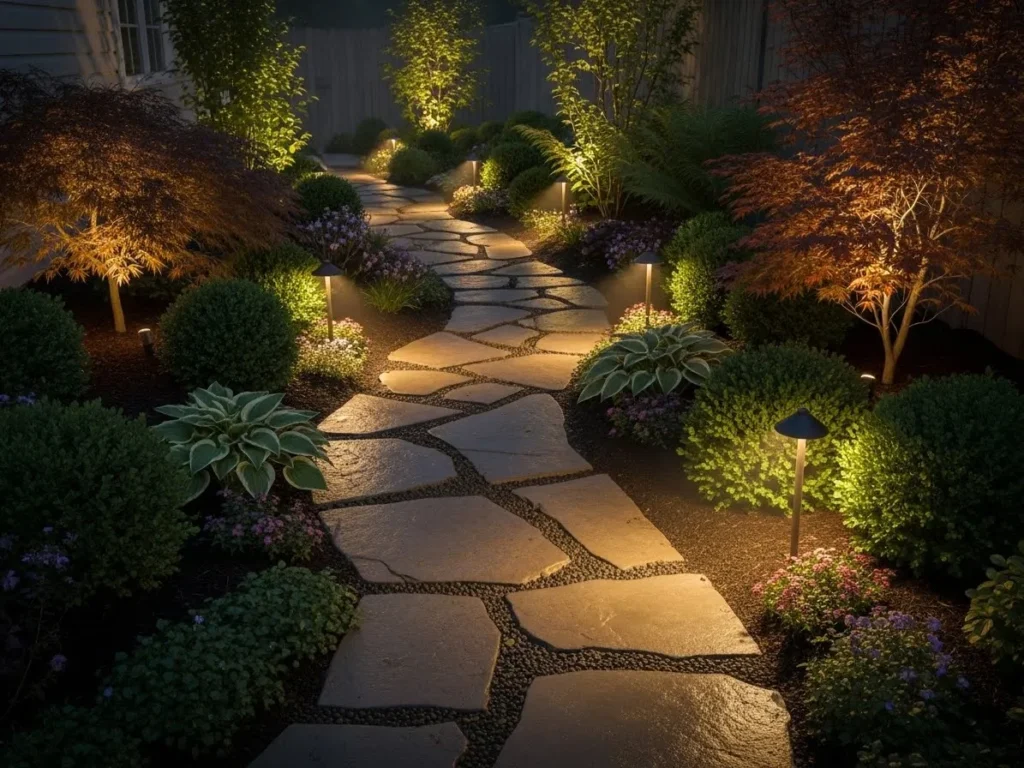
Lighting is another part of this idea. A simple run of low-voltage path lighting keeps the route safe at night and turns the side yard into a subtle nighttime landscape. Even if the space sees little use, lighting transforms it from a forgotten strip into a visual moment that elevates the entire property.
2. A Practical Side Yard Vegetable Corridor
Many homeowners assume vegetable gardens need to be large. That is not true. Tomatoes, peppers, greens, and herbs perform perfectly in narrow rows or raised boxes. A side yard often receives ideal sun exposure because there are fewer trees and large shrubs blocking light. If your side yard has at least six hours of sun, it is prime vegetable territory. When you plant along the fence line, you create a productive corridor that feeds you and eliminates wasted land.

Maintenance is simple. You walk a straight line, water on one side, harvest on the other. This setup is efficient for people who do not want a garden dominating their main yard. The side becomes the service zone while the backyard stays clean and open.
3. A Zen-Inspired Walking Strip for Meditation and Quiet Time
Side yards are private by nature. They are narrow, shielded, and rarely used by guests. That makes them perfect for a simple Zen design. A Zen strip starts with gravel or crushed stone, which suppresses weeds and cleans up drainage. Add one or two upright boulders, a small bamboo plant, and a bench or stone slab. You do not need décor. Minimalism is the point. The space becomes a reset button for the mind.
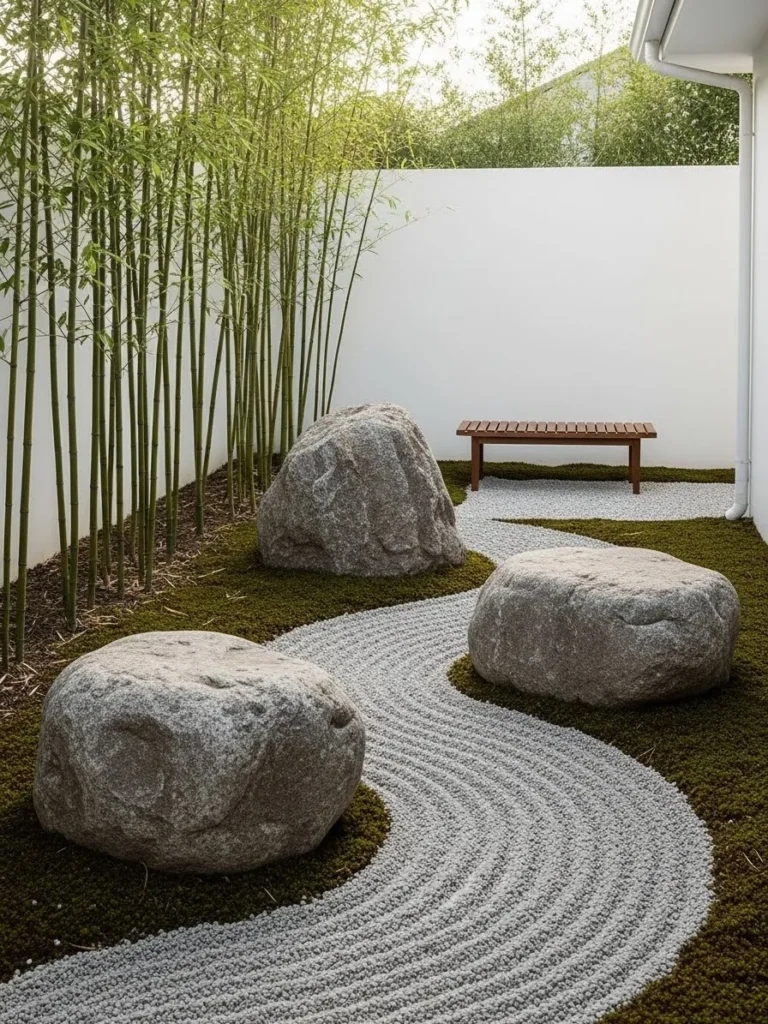
People often try to over-design side yards. A calm space with texture and simplicity is usually more effective. When you create a neutral place for reflection, you turn dead space into personal relief.
4. A Dog-Friendly Run That Protects the Rest of the Yard
A side yard is a natural dog run because it is already long and contained. Instead of letting your pet tear up the best part of your backyard, give them their own corridor. The key to success is choosing a surface that can handle mud and paw traffic. Artificial turf can work if drainage is good. Pea gravel is another strong choice because it drains quickly and stays clean. If you want live grass, plan for overseeding, irrigation adjustments, and seasonal maintenance.
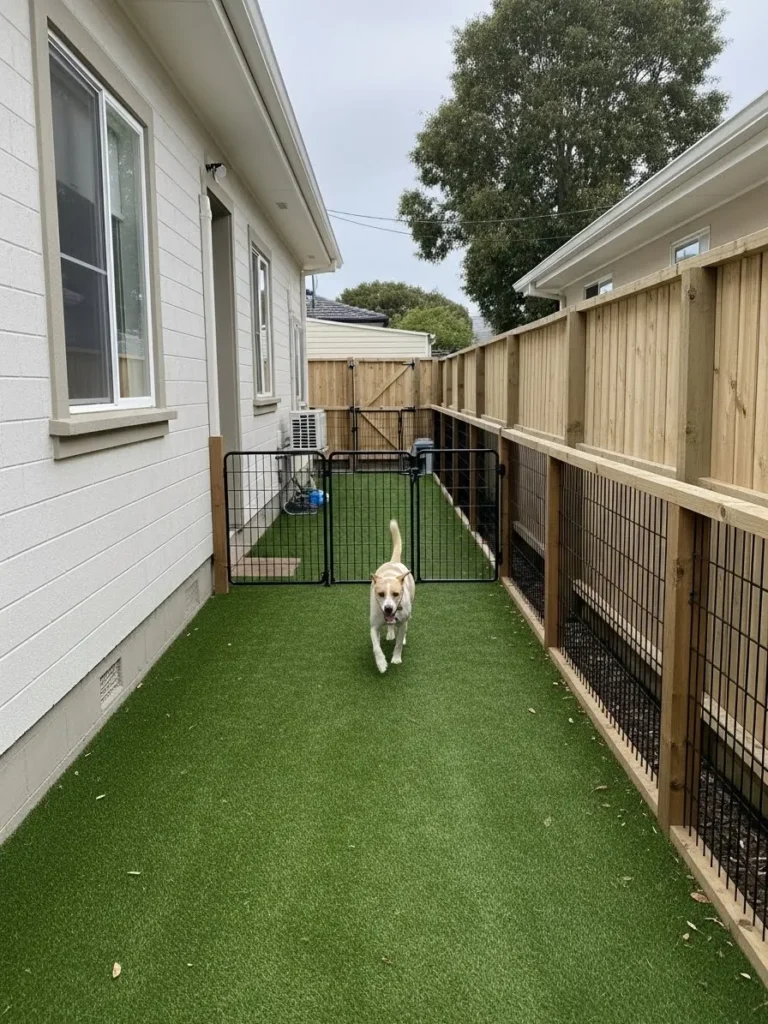
A dedicated dog run also protects your plantings and outdoor furniture. The side yard absorbs the wearing effects of pet life and keeps the main yard in good shape. When designed with a gate and access path, it becomes convenient rather than restrictive.
5. A Simple Sitting Space for Reading and Coffee
Many side yards feel useless because the space is narrow and people assume furniture will not fit. The answer is scaling down. You do not need a full patio set. A small bistro table with two chairs is enough. If shade is an issue, install a wall-mounted umbrella. When the space is tight, vertical elements matter. Climbing plants, trellis systems, and slim containers work better than bulky flower pots.
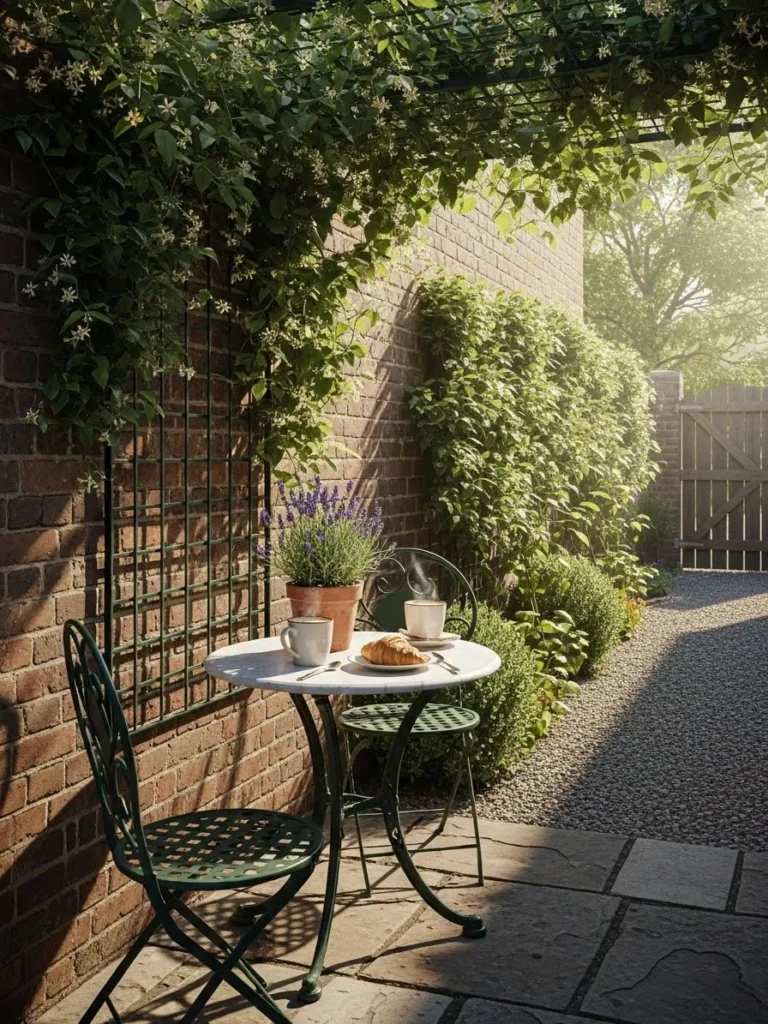
The goal is not entertainment seating. It is a private spot where you can have coffee, read, or work outdoors. When the backyard feels too public, the side yard offers privacy and separation.
6. An Outdoor Shower That Feels Like a Spa
Outdoor showers are not limited to beach houses. Many homeowners love rinsing off after yard work, swimming, exercise, or even just to cool down. A side yard is the best location because it is hidden from view and close to plumbing lines. You can build a shower enclosure from cedar, stone, or composite panels. Add a simple floor drain or gravel base and you have a personal spa zone.
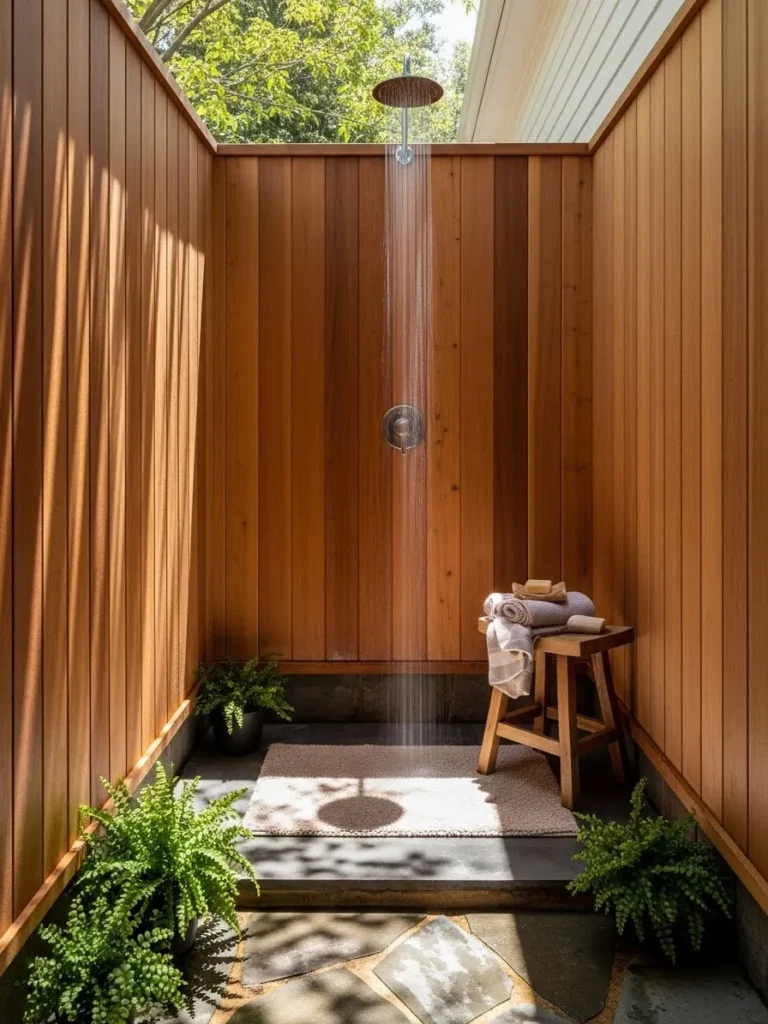
This idea increases home appeal and makes daily living more comfortable in warm climates. The shower can be open-air or semi-enclosed depending on privacy requirements. Either way, it turns a narrow strip into an asset.
7. A Lush Shaded Planting Zone That Handles Low Light
Some side yards never see enough sun for vegetables or bright flowers. Too many homeowners give up because shade feels limiting. Shade is not a problem. It simply calls for plants that thrive under it. Hostas, ferns, heuchera, hydrangeas, and shade-loving groundcovers turn a dim area into a cooling green zone. Where the sun is filtered, shade plants create relief from heat and visual softness.
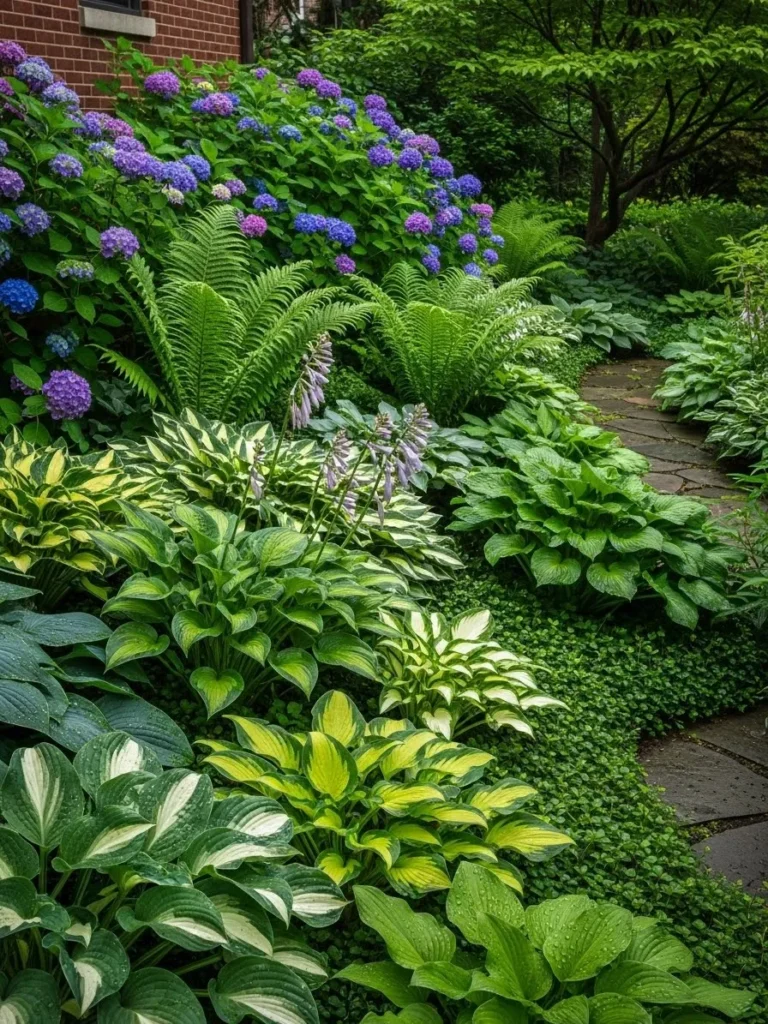
The benefit of shade planting is low maintenance. You water less, weed less, and enjoy deeper color in the leaves. When the backyard is hot and harsh, the side yard becomes the quiet green opposite.
8. A Stone or Paver Utility Lane That Prevents Mud Problems
Every property has hoses, tools, meters, or air conditioning units tucked along the side. Instead of letting grass die and mud build up, convert the space into a clean stone or paver lane. This lane allows reliable drainage and gives workers easy access when maintenance is needed. More importantly, it keeps the home’s exterior clean.
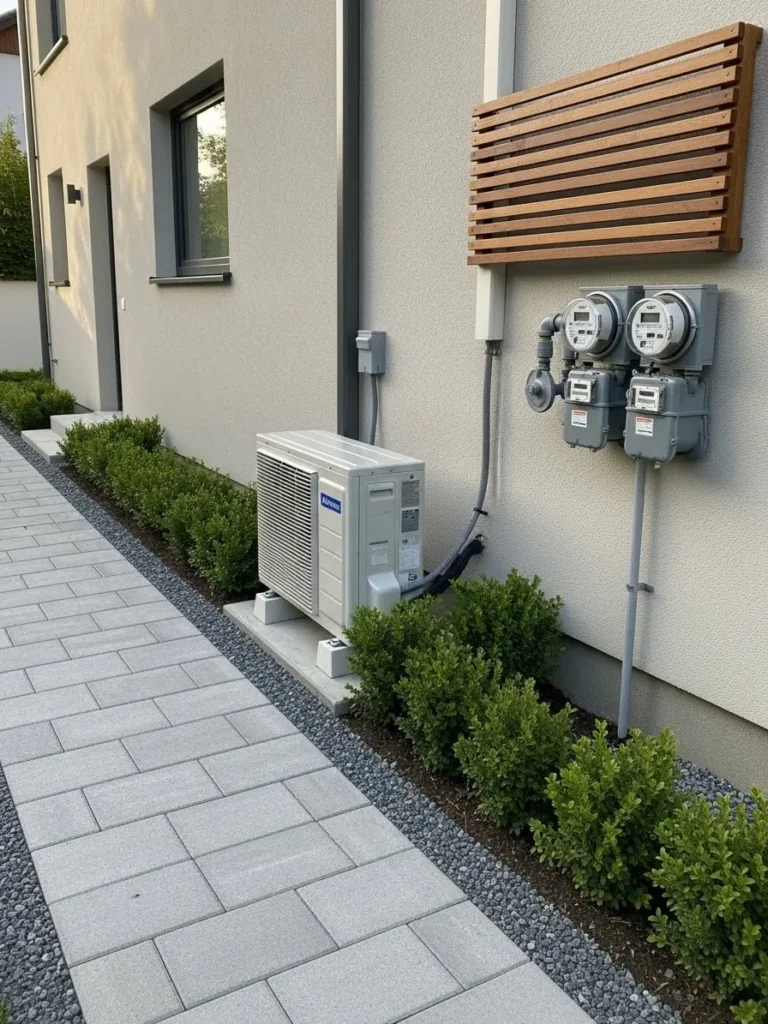
This is not an expressive landscape idea. It is functional. But function delivers beauty when the alternative is a messy strip of soil. A clean utility lane also prevents critter issues, mold, and water-related foundation trouble.
9. A Raised-Planter Garden for Maximum Efficiency
Raised beds are perfect for side yards because they keep plants contained and lift growth above foot level. In narrow strips, height matters. When plants grow upward instead of outward, the walkway stays open. Raised beds also warm the soil faster, drain better, and provide easier access for knees and backs. When a side yard sits close to a kitchen door, these raised beds become a culinary convenience. You can grab herbs, harvest greens, and return inside within seconds.
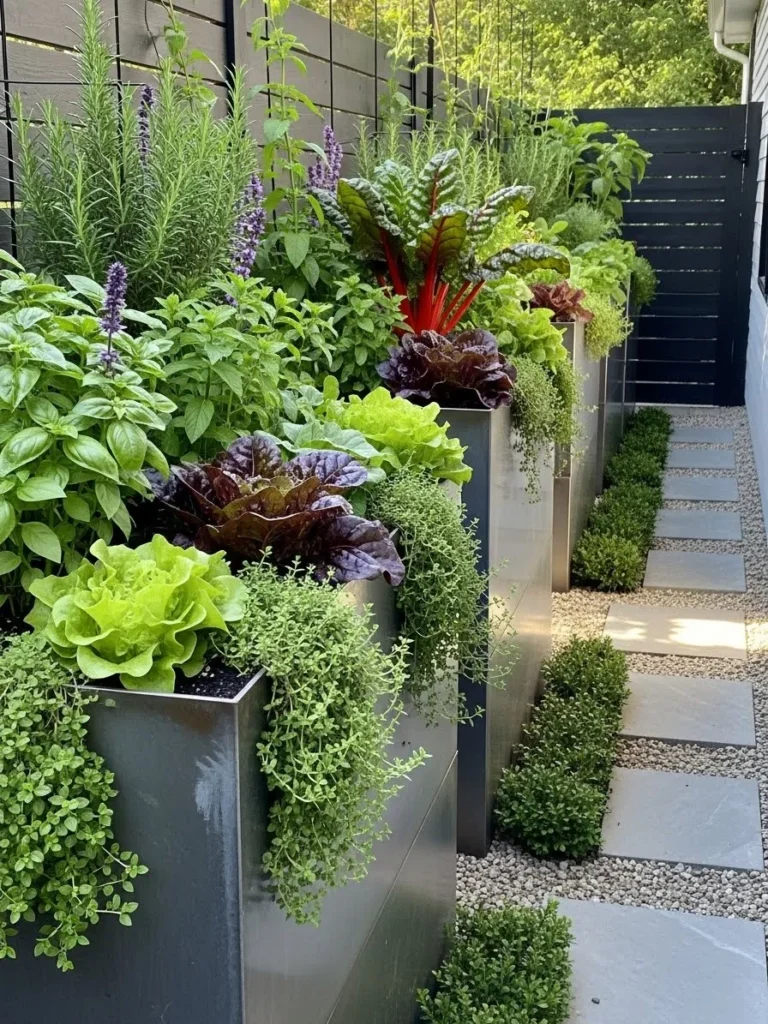
Even in shaded sections, raised beds work for shade edibles like leafy greens or herbs like mint and chives. The system is versatile and tidy.
10. An Outdoor Dining Corridor for Special Evenings
Homes with narrow lots often struggle with outdoor dining. The backyard may be too dominated by play structures, sheds, or functional zones. The side yard can host a slim dining table, a string of outdoor lights, and a few compact chairs. When you add warm lighting, the corridor turns into a charming place for meals. The key is controlling scale. Choose a narrow table or a built-in bench on the fence side to free up space. The layout should encourage intimacy, not crowding.
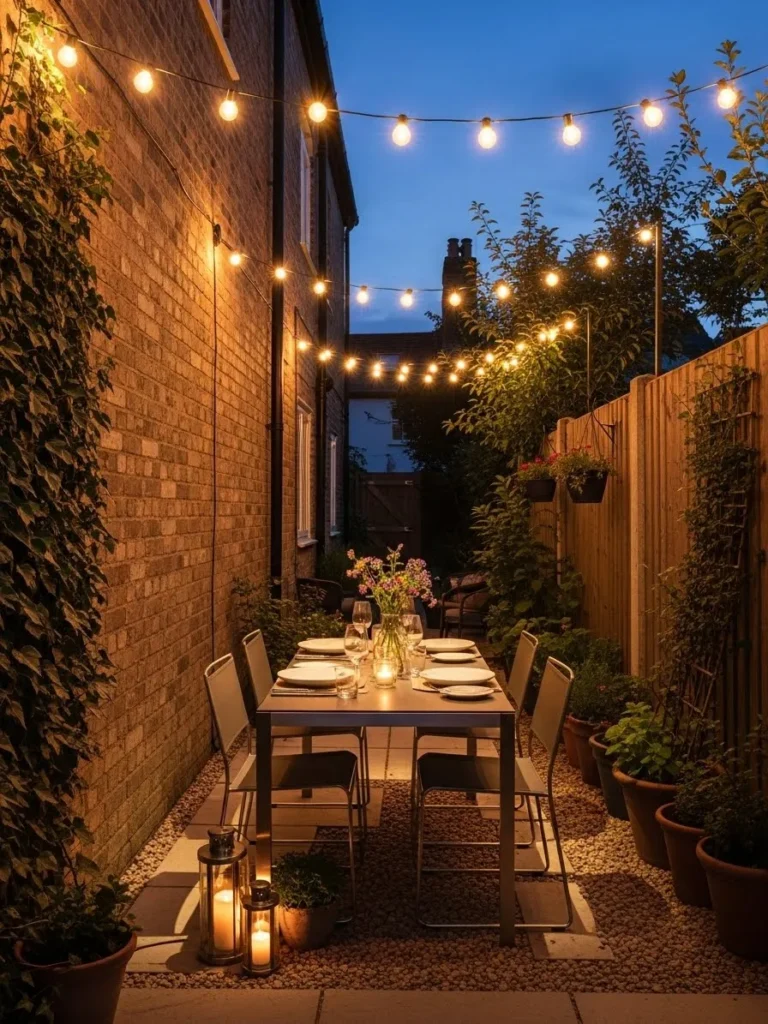
A side dining corridor can surprise guests because they never expect a hidden outdoor room. It creates an element of discovery that elevates the entire property.
11. A Children’s Play Lane That Encourages Activity
Kids do not need a huge yard to have fun. Chalk drawing, hopscotch, bean-bag toss, and small sports work beautifully in long strips. When you add soft surfacing or outdoor mats, the space becomes safer. A side yard can separate child play from adult seating, which makes outdoor life run more smoothly.
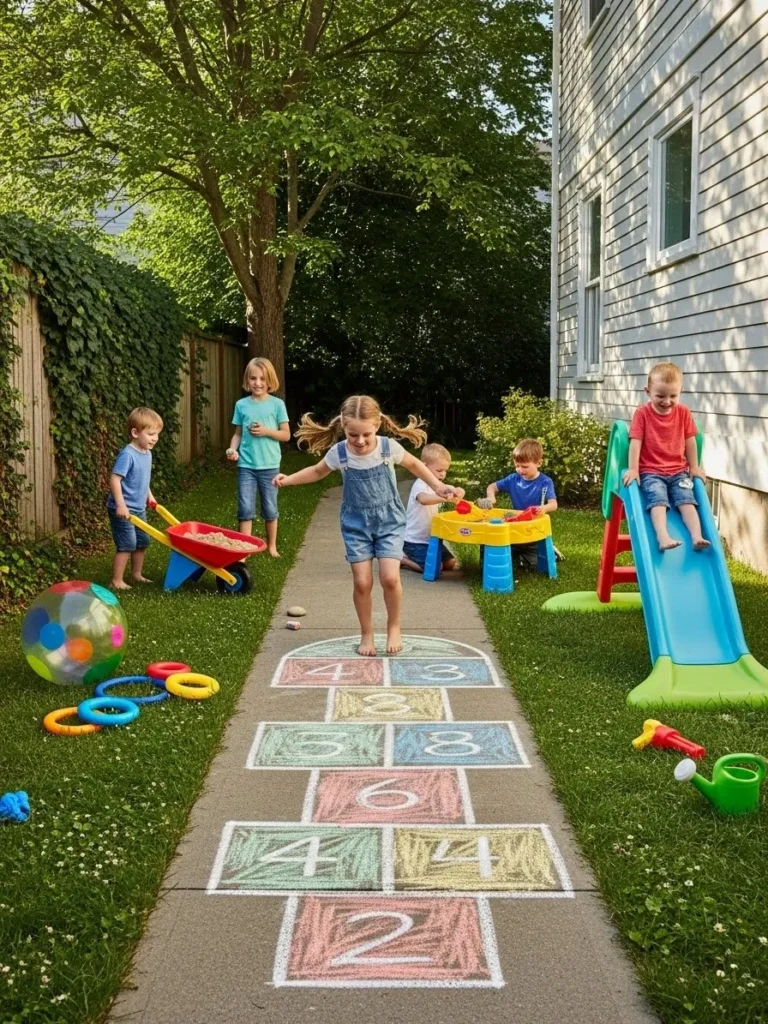
Some parents like a sand zone along the edge or a raised water table for younger kids. These areas stimulate development but do not overtake the main yard. The side yard handles noise, motion, and small messes without disrupting adult life.
12. A Gravel Oasis for Easy Maintenance
Not everyone has the time or patience for plants. Gravel landscaping solves that. When you bring in weed fabric, gravel, and a few focal boulders, the entire side becomes maintenance-light. Gravel is also ideal for drainage if your property collects water against the foundation. By lifting the grade slightly and allowing water to move freely, you protect your structure.

You can still add potted plants without committing to soil. Gravel gives flexibility. You can shift décor, move furniture, and clean easily. It is one of the simplest long-term solutions for awkward spaces.
13. A Native-Plant Wildlife Corridor
Many homeowners are learning the value of native plants. They feed the local ecosystem, attract pollinators, and reduce water use. A side yard can become a wildlife lane that supports birds, bees, and butterflies. When you choose native species that fit your region, maintenance drops dramatically. These plants evolved in your climate and soil, so they rarely need fertilizer or complicated irrigation.
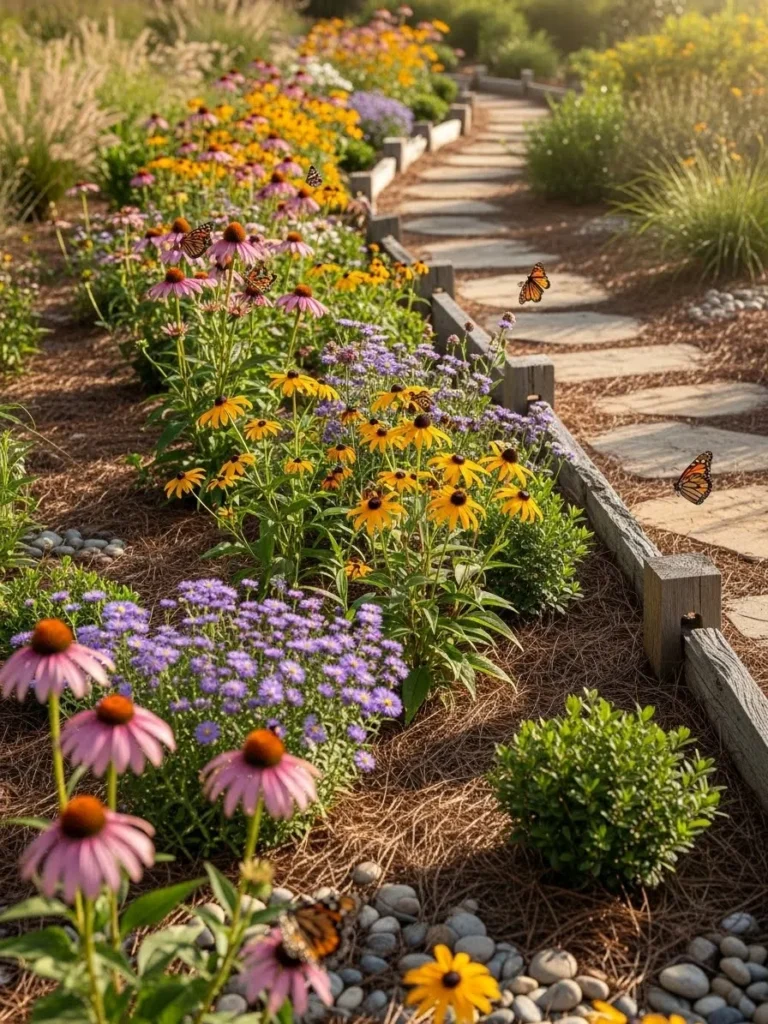
A wildlife corridor can still look neat. Select plants with controlled height and avoid invasive varieties. The goal is ecological support without sloppy overgrowth. When done properly, this small strip strengthens an entire neighborhood ecosystem.
14. A Small Water Feature for Sound and Movement
Water changes the feeling of a property. A bubbling urn, a small pondless waterfall, or a simple recirculating fountain adds motion and sound. In a narrow side yard, the sound of water masks street noise and creates privacy. It also relaxes the mind. Most water features today are low-maintenance because they use simple pumps and do not require large ponds.
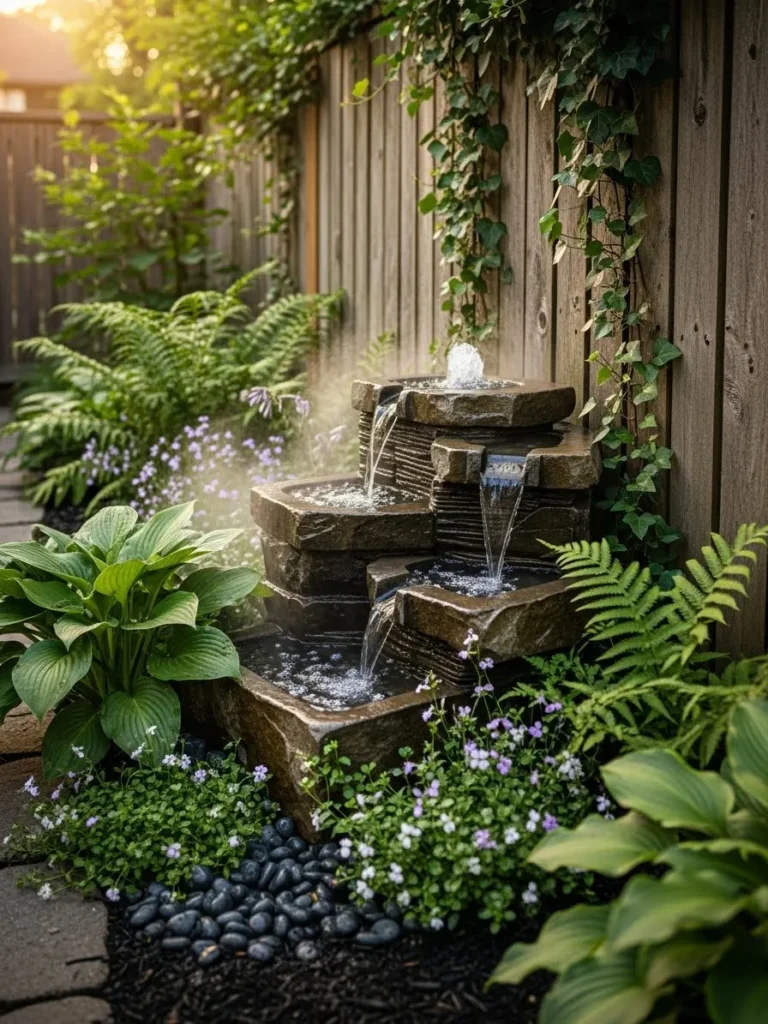
When you pair water with plants, the temperature cools slightly and humidity rises. Even in a tiny zone, water has emotional power.
15. A Side Yard Fire Space With Safe Clearances
People love fire pits, but many backyards lack the right clearances. A side yard may actually provide the required distance from fences and structures, depending on local codes. A compact gas fire table works especially well because it does not produce sparks. This means you can use the fire space near plantings or structures without excessive risk. When paired with two or three chairs, it becomes an evening retreat.
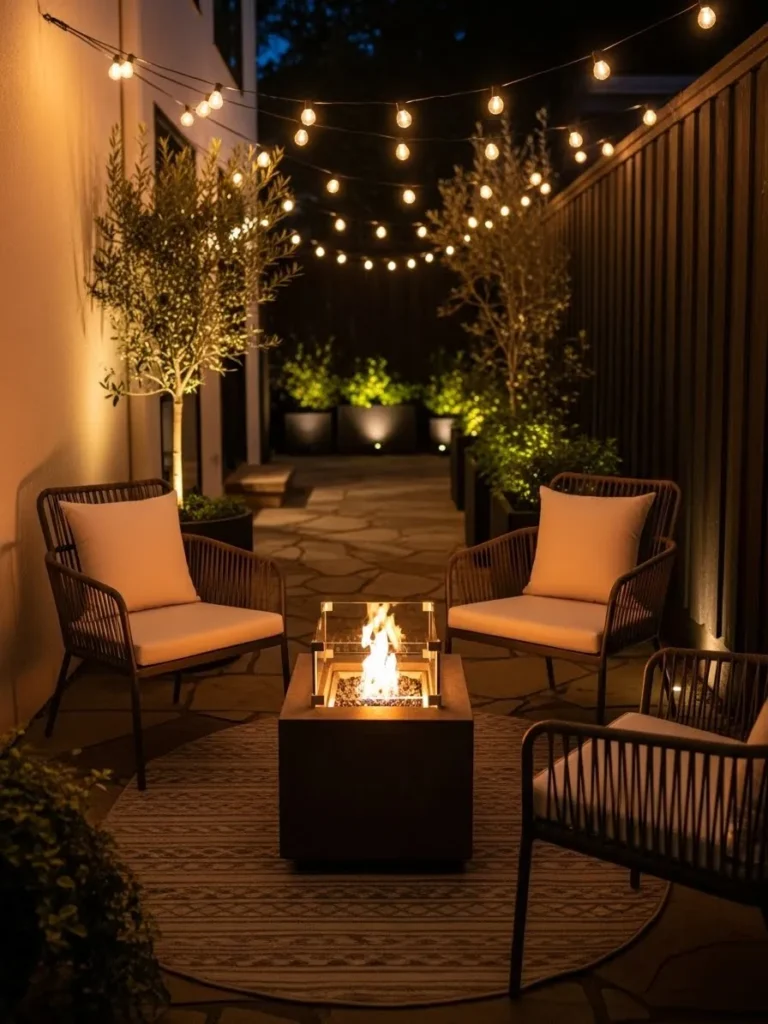
A side fire zone is about atmosphere. You are not trying to host a party. You are making a warm corridor where quiet conversation feels natural.
16. A Vertical Garden When Ground Space Is Limited
Many people underestimate the power of vertical design. When the ground is tight, go upward. A vertical garden can include mounted planters, stacked pots, living-wall panels, or climbers like jasmine or clematis. These options create softness without stealing walking space. They also filter heat radiating from walls, which improves comfort.

Vertical gardens work in full sun or shade depending on plant selection. They also improve privacy, because tall plantings block line-of-sight without requiring bulky fences.
17. A Secret-Garden Entrance That Adds Character
A side yard is often the least appealing approach to the backyard. With a gate, arbor, or trellis entry, you turn that passage into anticipation. When vegetation frames the entry, you create a threshold. Landscaping is about emotion, not just function. An inviting entrance increases curiosity and sets a tone for the rest of the property. The secret is keeping scale appropriate. A slim arbor or narrow gate is enough. Oversizing will overwhelm the space.
When guests enter through a framed opening, they experience a transformation. That is valuable psychology.
18. A Compost Zone That Stays Neat and Odor-Controlled
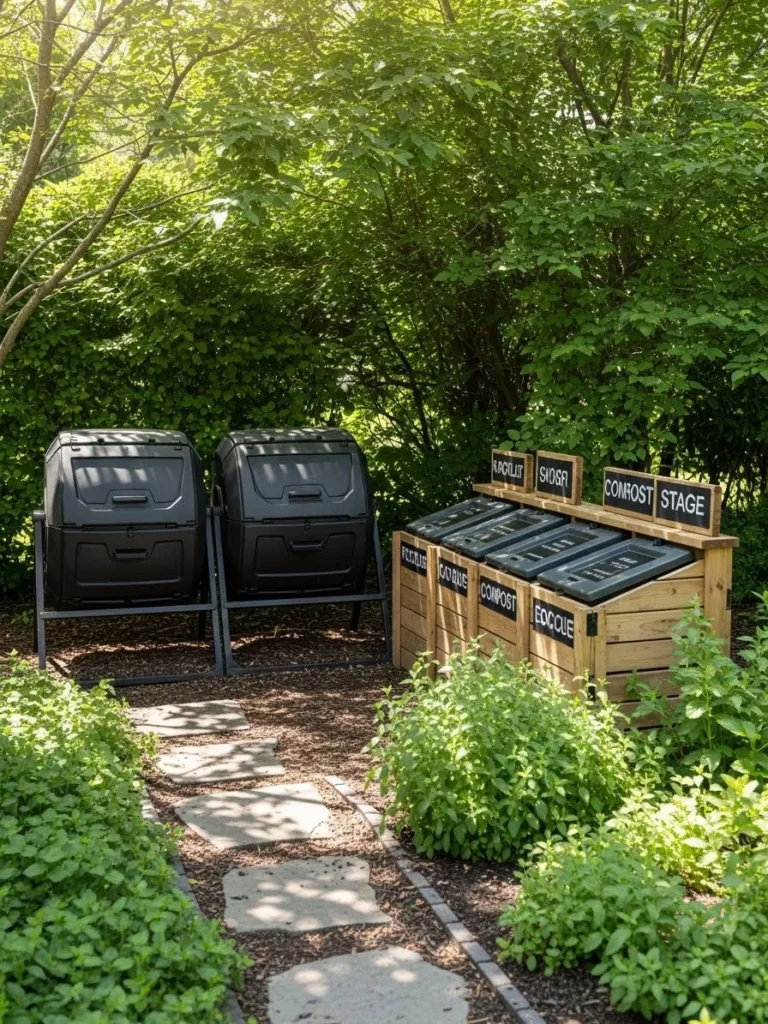
Composting is practical, but most homeowners do not want a compost bin in the center of their yard. The side yard is the rational spot. A well-designed compost zone uses closed tumblers or lidded bins. This controls both smell and appearance. You get nutrient-rich material to improve garden soil without losing visual appeal. Because the side yard usually borders service areas like HVAC equipment or utility panels, it fits the function category well.
A compost zone also encourages sustainable gardening habits. You recycle kitchen waste instead of sending it to landfill. It is a simple environmental win.
19. A Potted-Plant Showcase for Experimentation
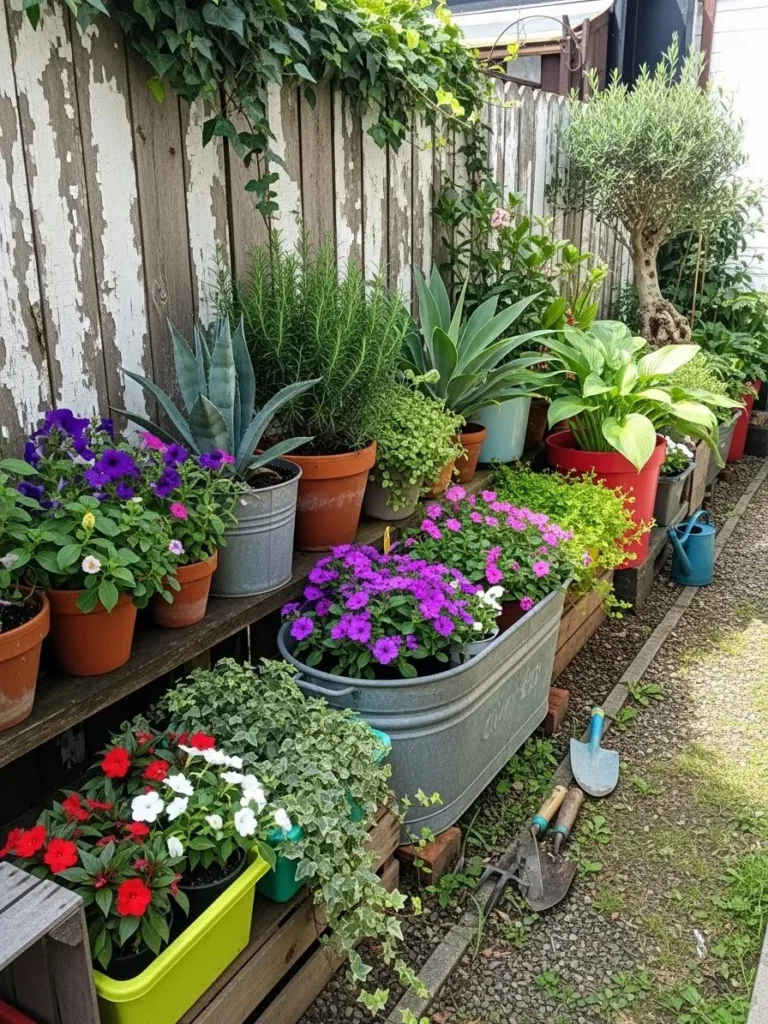
Some gardeners love experimenting with plant varieties but do not want their whole yard in trial mode. A side yard provides an experimental runway. You can line container plants along the fence and try different species each season. Because containers define their own soil, you can test drought-tolerant, shade-loving, heat-loving, or tropical plants without affecting the surrounding landscape.
Containers also allow mobility. If a plant underperforms, remove it. If you discover a favorite, rotate it into a prime yard position later. The side yard becomes your personal laboratory.